
Best Wrenches for Mechanics: Professional Tool Review
Whether you’re a seasoned professional mechanic or trying your luck at auto repair, having the right tools on your workbench endows you with an added advantage. Wrenches may look simple but are in fact, one of the most useful mathematical tools of a job. They are used to remove nuts or loosen tight bolts, thus helping you fix things in your car. The infinite number of wrenching packs on the market may leave you worried listless as to which are durable and reliable. We are going to dissect and poke into the best wrenching bits of equipment on the market, looking at their special features, build quality, and flexibility in professional settings. By the time you have read this article, you will be able to make the sound decision regarding which of the given equipment will harmoniously fit into your style of working.
Understanding Wrenches
Fork-type wrenches are tools that are used to grip fasteners consisting of nuts and bolts to affix them to their initial tightness or to slacken them off during the process of assembly or repair. The most important aspect of the functioning of wrenches depends on their ability to take advantage of the mechanical and lever force for the application of more force with minimal effort with the help of the tool.
Other parts of a wrench would be the handle, providing the grip and leverage, and the head, fitted to a fastener. The most common types include open-end, combination, and adjustable wrenches where each is suitable for specific jobs according to the configuration of their jaw or head. Durable materials like chromium-vanadium steel are predominant for making high-quality wrenches, known for their strength and ability to resist corrosion, and are excellent performers over the years.
Types of Wrenches
| Wrench Type | Key Features | Common Applications | Material | Torque Level |
|---|---|---|---|---|
| Adjustable Wrench | Adjustable jaw for flexibility | General-purpose fasteners | Steel/Alloy | Low to Medium Torque |
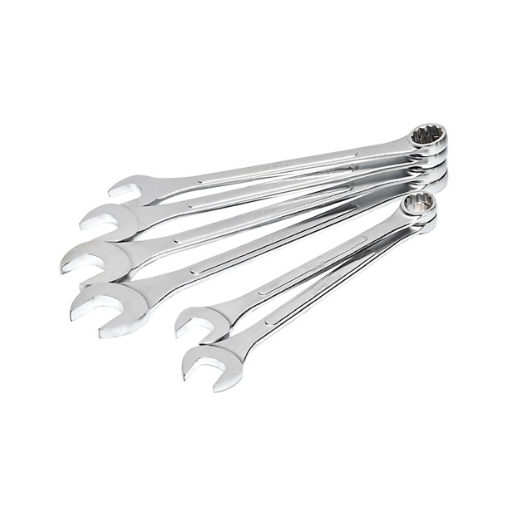
| Combination Wrench | Open and box ends | Tightening/loosening bolts | Chrome Vanadium | Medium Torque |
| Torque Wrench | Measures specific torque levels | Precision tightening | Steel/Composite | High Accuracy |
| Socket Wrench | Interchangeable sockets | Automotive/mechanical applications | Chrome Steel | Medium to High Torque |
| Ratchet Wrench | Allows continuous rotation | Fast tightening/loosening | Alloy Steel | Medium Torque |
| Allen Wrench (Hex Key) | L-shaped, fits hexagonal bolts | Assembly tasks, furniture | Hardened Steel | Low to Medium Torque |
| Pipe Wrench | Adjustable, serrated jaw | Gripping round objects like pipes | Cast Iron | High Torque |
| Box-End Wrench | Enclosed grip on fastener | Tight spaces, hex/12-point bolts | Carbon Steel | Medium Torque |
| Crowfoot Wrench | Open, fits tight spaces | Plumbing, restricted areas | Chrome Alloy | Low to Medium Torque |
| Strap Wrench | Non-marring strap mechanism | Fragile or smooth surfaces | Fabric/Plastic | Adjustable Torque |
How Wrenches Work
The tools can operate as mechanical levers to amplify torque and transfer force more effectively to fasteners or objects requiring rotation. The operating principles include grip, leverage, and force of rotation. By firmly holding on to the fastener through an open-end, box, or serrated-like mechanism, the wrench prevents slippage and ensures that force is being properly applied.
Material composition, therefore, defines the tool’s efficacy; as an example of this, with high-carbon steel and chrome alloys, the tool is designed for strength, durability, and resistance to deformation when under multiple stresses. These different types of wrenches are explained by the achievement of certain applications, allowing for positioning in a cramped location, a high-torqued environment, or a surface that could be damaged otherwise. For instance, to a shoe-horn the pipe wrenches; with serrated jaws, ample clamping is provided on the surfaces, and for the strap wrenches, a non-abrasive strap would be one that renders damage to smooth or fragile materials impossible.
Some amazing strides are seen in the modern technology of wrenches, such as the style of precision in the assessment of torque value, ergonomic considerations for the comfort of the operator, and coatings with special resistances to corrosion for longevity of the tool in harsh environments. An attempt to bring together theoretical principles of mechanics and mighty contemporary engineering makes the wrench immortal in all the practical applications requiring such engineering dexterity.
Common Uses for Wrenches
- Automotive Repairs
Wrenches are pivotal tools in maintenance and repair in the automotive sector. They are mostly employed in the tightening or loosening of various components like bolts in the engines, transmissions, and further parts of the cars. Among them, the torque wrenches particularly take the cake by ensuring that the fasteners are torqued to the manufacturer’s specified values, in order to stave off the dangers of too much torque or too little, which might render the component to pack in. - Plumbing Applications
The variety of wrench designs that are commonly employed for the plumbing system is moving. These wrenches are primarily closure devices for pipes or tinners to utilize the available leverage to furnish water connections without snapping the material of the pipe. - Construction and Assembly
In a construction site, wrenches, like safety helmets, ear defenders, dust masks, and steel-toe-capped boots, can be deemed to be an essential commodity. Wrenches mostly serve scaffoldings and steel frames on construction, while also dealing in furniture fittings: furniture assembly of nuts and bolts is mandatory. - Industrial Machinery Maintenance
Heavy-duty open-end or combination wrenches are also meant for servicing industrial equipment. Tools directly influence the general rigidity of bolts in the machinery, thereby building a guarantee of safe and proper operations. In heavy industries, these wrenches are mostly built for resistance to corrosion and to withstand the brutal working conditions. - Electrical Work
These wrenches have insulated handles and, so on and so forth, for use protected from the live circuits of any electrical installation. This guarantees accurate torque nationalization and abrogates potential electric shock risk. - Aerospace and Aviation
Fastener installations are highly necessary for the industry. Several torque measurement wrenches currently available work in aerospace environments. This article concentrates on those styles of wrenches that can be used to tighten fasteners within these safety, precision, and performance standards set by the aerospace industry.
Choosing the Best Wrench Set
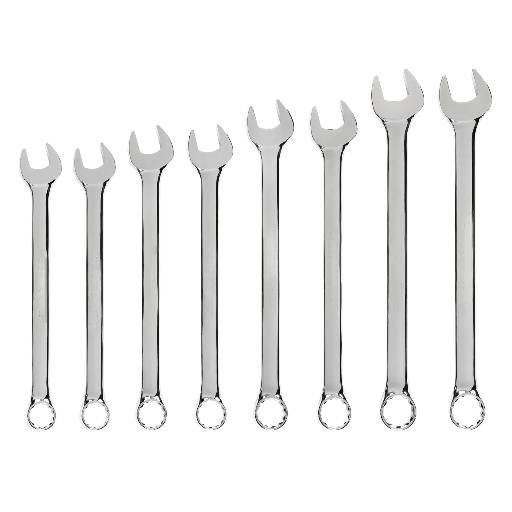
While considering the aforesaid points necessary for the maximum satisfaction of your needs, kindly find them inculcated below:
- Intended Use
Explain the intended use/application of the wrench set. In the hands of basic users, any set that comprises adjustable, combination, or adjustable-combination wrenches with plain and metric measures will do, but knowledge of the specialized industries (such as automotive or aerospace) will inform a choice of nylon-insulated wrenches or torque wrenches. - Material Quality
Chrome-vanadium or chrome-molybdenum steel is used primarily to construct wrenches in sets. Due to their strength and resistance to corrosion, these materials guarantee much better performance from the tool over time. - Range of Sizes
A huge variety of sizes provided in the wrench sets can increase the chance of compatibility with an extensive range of bolts, decreasing the need for additional sets. Metric and SAE will also be viable options depending on the tools that you are using. - Mechanism and Design
There are easy-to-use properties that add comfort to the operator, such as the different torque settings, ergonomic grip handles, and reversible ratchet mechanisms, which prove to be advantageous, particularly in performing repetitive activities. - Brand Reputation and Warranty
Choose a manufacturer to ensure that your tools are forever average. And, always remember that the warranty is kind of your pledge that you will never be left high and dry vis-a-vis the tool quality and its time span!
Having all these perks in place and the test of durability, you can fully claim that you have been able to pick a wrench set that suits best your tasks and raises the question if the warranty expressly fixes in your case.
Factors to Consider When Buying
Material of the wrench set, the primary key, is characterized by its durability, efficiency, and adaptability to various uses. The more significant quality wrench sets are made of chrome-vanadium steel or stainless steel. The beauty of chrome-vanadium steel is that, after extensive heat treating, the strength is good enough to resist corrosion and (damage) stress to a large extent, as caused by large-torque distortion. This technique of heat treatment in the crafting of steel assumes the propensity (feasibility) of the steel to fracture, as the design opportunities for the steel are far-reaching in various applications. Another class of steel is stainless steel, which has very good resistance to corrosion-forming factors; this alloy is better than the one already mentioned towards metals that are most prone to leaching due to environmental factors.
Abrasion resistance is the dominant characteristic to bear in mind when selecting a wrench finish. Frequently, the choice exists between chrome plating and black oxide coating. Chrome-plated finishes not only have attained the maximum in rust resistance but also present a wonderful, mirror-like surface that is ideal for the most professional settings. In contrast, black oxide surface finishes are very tough to wear and have a matte appearance that restrains reflection, making them more suitable for precision work where diminished light reflection is important. The combination of material and surface finish is fundamental for the accomplishment of optimum function and long-lasting service, taking into account the use of the tool in tough environments in industrial or automotive environments.
Benefits of a Quality Wrench Set
Enhanced Durability and Longevity
It is a combination of chrome vanadium and alloy steel that effectively improves wear resistance, flame resistance, and rope corrosion resistance. The forged construction material increases the tensile properties of the alloy, blocking any deformation whether mishandled or subjected to extensive force. Tools made of high-grade material have a high-end value. Generally, tools produced from quality material outlast those made from inferior-quality materials by at least 30%.
Greater Precision and Efficiency
Wrench sets can grip nuts fitly, preventing them from slipping and rounding off bolt heads. This fit may serve not only to improve the efficiency of the user during a mechanical task but also to save him or her the life of the tool and fastener due to wear and tear.
Ergonomic Design for Reduced Fatigue
It is an undeniable fact that some of the best wrench sets come packed with user-friendly features, such as contours and grips with anti-slip etc., which make working with them for longer hours more comfortable. Findings show that tools configured for easiness in operation can cut down on there being approximately 25% less fatigue, hence multiplying available working hours without feeling drowsy.
Versatility for a Variety of Applications
Even good wrench sets are a good mix of different wrench sizes and types, one or everything, e.g., combination, ratcheting, or adjustable wrenches for various machining needs. Such versatile use can save you from buying different items for dealing with so many functions, from automotive to residential DIY.
Improved Safety Standards
A decent wrench set, when used, minimizes tool failure when exerted, a major reason for injury in the workplace. Manufacturers of premium tools fulfill diligent safety certifications such as, for example, ANSI and ISO. They are mostly ingenious and, after passing through verification, exhibit consistent performance under tough conditions.
Cost Efficiency in the Long Term
Quality wrenches–definitely at a higher price–make up for those high costs when they manage to last long and do not need to be replaced. It thus becomes very clear that these wrenches are best for individuals depending on whether they are professional or amateur users. For instance, a supplier of great wrench sets anticipates 10 years of great use. This consumption will be 2-3 years for virtually all other wrenches.
Comparing Ratcheting Wrenches
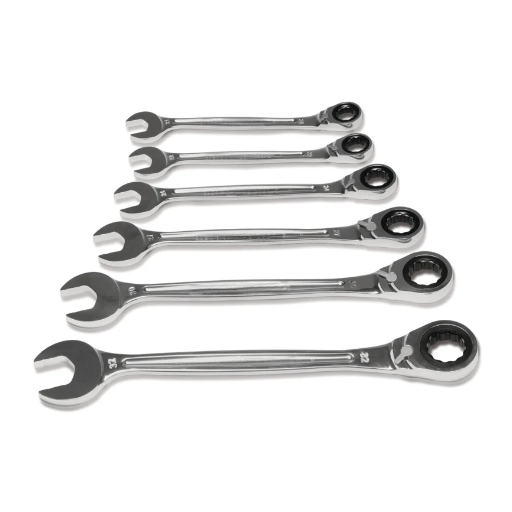
Ratcheting ratchets differ in various aspects, including designing, merchandise-type meters, the number of teeth contained by the drive section, and subtle features. Normally, high-end models are made of sturdy materials, like chrome vanadium steel, that can provide the necessary strength to make their designs heavier. That further helps to sustain the impact of corrosion. More teeth are usually the sign of a refined ratchet’s precision, thus making them somewhat friendly around tight areas where the task demands precision. Reversible mechanisms and flex-heads provide several additional options, permitting that little bit of luxury that allows an enthusiast to get on to other jobs. It is within the buyer’s interest, when he is purchasing ratcheting wrenches, to look after the kind that would set well to the need of his work in the coming several days, guarantee given, and provisions for some long-term reliability complete with giving high regard to recognized international standards (such as ANSI or ISO) for the best customer’s service.
What Makes Ratcheting Wrenches Unique
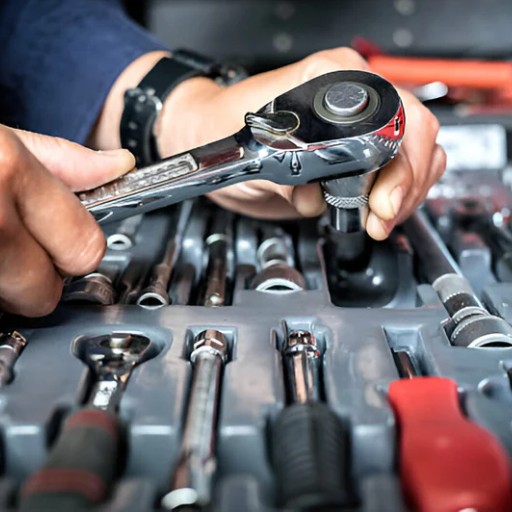
Ratcheting wrench tools are a standout invention by means of a unique design, achieving versatility and the very best of efficiency, and are a sheer necessity in many mechanical and industrial applications. The ratcheting mechanism they offer is especially significant, for it diminishes the number of times the wrench would otherwise have to be lifted away and repositioned during use. This reduction in movement not only quickens the loosening and tightening of fasteners but also decreases physical discomfort during repeated movements and work done in constrained areas.
Innovative fabrics tend to make a whole light, heavy-duty wrench from stainless steel or hardened steel which brands ratchet wrenches highly durable, resistant to high heat and harsh weather conditions such as corrosion. Ratcheting with 72 or more teeth implies that the wrench can be angled in the smallest spaces, where there is no room for wrenches that can be turned or swiveled in an easy direction. Some to heel grips and bi-directional levers bring the wrenches in from gloominess to light, which increases comfort and usability wherever they are used.
Advantages of Using Ratcheting Wrenches
- Enhanced Efficiency and Speed
Ratchet wrenches bring high operational efficiency by maintaining fastening or loosening as the user turns them while working under continuous pressure without taking away the tool to turn the points in another direction. This construction also allows for an earlier workday with up to 30% reduced time for other conventional wrenching types following tool performance studies. - Precision in Tight Spaces
Some of the best-performing tools built for such tight and hidden areas are those with all-tooth ratchet systems. The arc swing puts into place precision 5-degree adjustments. The usage space, that is, machinery bays or shop equipment, is made considerably smaller compared to the power tool’s capacity to keep working effectively in related industrial situations. - Durability and Long Lifespan
Most of today’s ratcheting wrenches are built of fancier materials such as chrome vanadium steel or hardened alloy steel, building up in them a high value of tension from resistance to attrition, corrosion, and tear. These tools are subject to mechanical tests in order to withstand a torque range up to 300 ft-lb, any of which allows them to experience heavy-duty trade and industrial demands for lengthy periods. - Ergonomic Design for User Comfort
The advanced ergonomic handles decrease hand fatigue when performing extensive tasks. Anti-slip textures that increase control and safety with lightweight, yet sturdy tool construction, thereby greatly improving tool sharpness and reducing the operator’s strain. - Versatility and Adaptability
Ratcheting tools of the modern era provide a feature for reversible operations, which means they are able to go from clockwise to counterclockwise installation or removal actions in a flash, without having to reposition their respective tools. Combining metric and SAE sizing compatibility, they make it possible for these tools to serve various mechanical, automotive, or construction applications. - Cost-Effectiveness Over Time
While ratcheting wrenches may mean an initial investment that can be higher than that for their non-ratcheting alternatives, their efficiency, longevity, and multitasking abilities translate into substantial cost savings over the long term. Less repair time and longer life of the tools add to huge productivity ROIs in professional settings.
Understanding Torque Wrenches
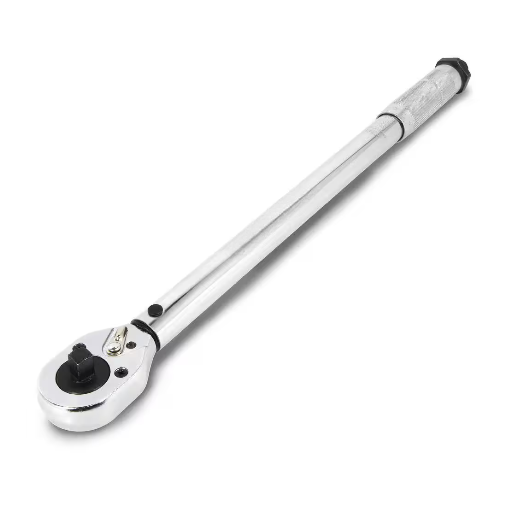
The torque wrench is a calibrated instrument designed to fold upon application of a specific force on a fastener like a nut or bolt. The resultant energy will, then, make it achieve the right tension and evenly distribute the load. The torque wrench uses a system of leverage and a torque multiplier to accurately convert the user’s applied force into appropriate quantified tension. Ranges will be configured for magnification in the case of automatically controlled wrenches alongside mechanical or electronic systems. This kind of application is vital for any application where the great mass can result in a safety, performance, or integrity issue, as in automotive, aerospace, or industrial equipment. One must always set the limit torque pressure and release as reversed by the torque-acceptable stoppage.
Importance of Torque in Mechanics
Torque could very well be translated as rotational force into an entity being acted upon. It is a very significant factor for ensuring the functioning and reliability of mechanical systems. It exists in deciding how forces get transmitted through gear ratios, fasteners, and things that might be ball bearings, and as an activity that directly affects performance and durability in machinery. For example, the overloading of fasteners may bring the forces of material failure to a point, while the underloading of forces brings about misalignment in the system due to vibrations caused by opening moments.
Studies and progress have deeply underlined aspects of accuracy in the high-stakes of torque applications. These industries could be, for example, the aerospace or automotive industries. Recent studies indicate that a large amount of torque is responsible for a large proportion of mechanical failures. Calibration and thorough monitoring of the charge at which it is applied are implied here. An example could be the studies that looked at stresses remaining in a bolt that relate to the preload, i.e., resists. There is a considerable yet for the minimum level of torque necessary to lower stresses on these materials and achieve the highest clamping possible. Manufacturers, with the help of sophisticated energy-connected torque measuring systems, can conform to performance and security standards.
Types of Torque Wrenches
| Type | Mechanism | Typical Use | Key Benefits |
|---|---|---|---|
| Beam Torque Wrench | Simple design, no settings needed | General torque applications | Durable, cost-effective |
| Click Torque Wrench | Click sound at preset torque | Automotive and machinery work | High accuracy, easy to use |
| Electronic Torque Wrench | Digital readout for precision | Precision assembly, aerospace | Highly accurate, data recording |
| Slip Torque Wrench | Prevents over-tightening, auto-slip feature | Delicate components, electronics | Protects components, reliable |
| Hydraulic Torque Wrench | High-power hydraulic system | Heavy-duty industrial tasks | Handles high torque |
| Adjustable Torque Wrench | Customizable torque range | Varied engineering tasks | Versatile, adjustable |
| Preset Torque Wrench | Fixed, factory-set torque value | Repetitive production work | Consistent results, user-friendly |
| Dial Torque Wrench | Dial gauge for visual confirmation | Laboratory and testing work | Precise visual feedback |
| Split Beam Torque Wrench | Reduced risk of over-torquing | Automotive and aircraft repair | Sturdy, accurate under heavy use |
| Deflecting Beam Torque Wrench | Measures deflection for precision | Tension-sensitive components | Reliable, eliminates wear & tear |
How to Use a Torque Wrench Effectively
- Understand the Torque Specifications
Always consult the manufacturer’s instructions or technical literature for the proper torque value prior to starting your operations. It sets a range of values to in order to ensure that all the parts are properly integrated into a junction. - Calibrate the Torque Wrench
The calibration of torque wrenches must be a regular task to avoid giving false readings. It needs to be verified that at the set tolerances the wrench is able to check for torque correctly. Most tool manufacturers recommend that calibration be done after every 5,000 cycles or on an annual basis, depending on the frequency of tool usage.
- Select and Set the Correct Torque
Twist the handle to the needed value for the respective torque wrench being used. For a micrometer wrench or clicker wrench, twist it until the tool scale registers the appropriate torque value. For digital torque wrenches, just type in the value you wish to use through the interface. - Position the Torque Wrench Properly
Make certain that the drive of the torque wrench is fastened securely to the bolt or fastener; ensure that the head of the torque wrench is aligned correctly to the shank of the bolt or fastener so as not to add any angle errors, hence fault tolerance in readings. Always apply force at the handle; do not force grips on the resonating head or extension. - Tighten with Controlled Motion
Continuous and moderate force should be applied slowly and with control. No sudden jerk should be observed, just as speeding through the efforts would compromise the accuracy. In click-type or split beam torque wrenches, when the click is heard, or the mechanical signal movement to the present torque value is set on the wrench, stop applying force immediately in appropriate, safe applications. - Avoid Over-Torquing
Applying anything on the higher side may get the threads damaged and on the fastest rubber parts would mean it was over-tightened, weak or structurally compromised; hence, stop upon reaching the desired torque and then beg the wrench cease to move. - Inspect and Store Properly
Have the wrench inspected for wear or damage and keep it dry in a clean environment, preferably in the case, away from dirt and moisture. For adjustable torque wrenches, remember to set the scale to zero before putting the tool away in order to save the internal spring mechanism from long-term wear.
Practical Tips for Mechanics
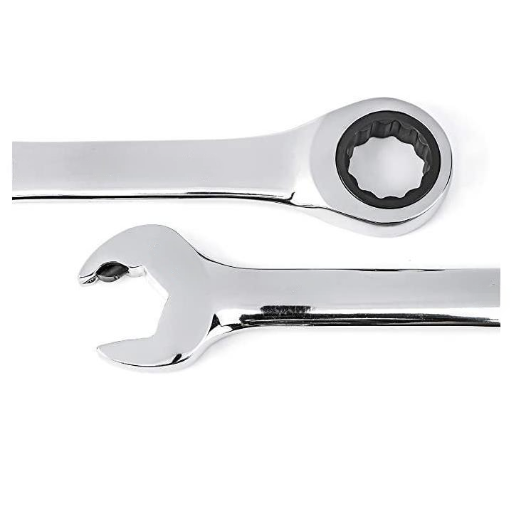
- ✓ Regular Tool Maintenance
Ensure the cleanliness and check all tools for wear and damage regularly for proper maintenance, accuracy, and the prevention of equipment failure during critical work. - ✓ Use Correct Safety Equipment
It is advisable for the mechanic to wear personal protection along with the helmet, spectacles, and gloves. The new design that is coming out provides a safe environment for automotive technicians. - ✓ Follow Manufacturer Specifications
It is wise to refer to the manufacturer’s guide to find names of parts and their associated torque values, hence avoiding warranty disputes. - ✓ Stay Organized
Systematically sort your tools and make it a point to keep equipment clean and easily findable on your workbench. Such a practice will help reduce downtime. - ✓ Document Repairs
Keep proper records of maintenance and repair for every piece of equipment. It fosters accountability and will aid troubleshooting later on.
Maintaining Your Wrench Set
For promoting longer life and perfection in performance of the wrench set, it is essential to take care of its maintenance. Help with working doors in the periodic cleaning of every wrench. Owing to general reasoning, such nonchemical items as grease, blue, and other filthy covers would most likely deter prolongation of the utilization of the wrenches. Utilize a clean, soft cloth to wipe off the wrenches and when the usual means don’t work, apply some degreaser close to the wrenches. Checking the wrenches for cracks, rounded edges, and smoothness at the gripping ends on a regular basis enables the prevention of possible safety hazards.
In order to keep out rust and corrosion, one must preserve his/her wrench set in a completely dry, non-humid environment. The best thing to do for the good of the wrenches is to put each one into protective foam when laying them in a toolbox or to roll them in a toollet, the foam-like material, so that its surface exposure to the environment is limited. Plus, regularly applying a weak protective coating with a general consumer oil type might be the best thing for shielding the wrenches from rust.
Calibration appears to be the next most significant factor to ponder in terms of wrench setting, specifically for the adjustable and torque types. Check down the road and put wrenches calibrated per the manufacturer’s directions for accurate purposes and thereby shunning destructive use. With these practices of maintenance, the wrench set could well be expected to be dependable and perform noticeably well in an operation.
Best Practices for Using Wrenches
The right size and type of wrench should be used when attempting a fastener so as not to strip or round off the edges of any nuts or bolts. A thorough preliminary inspection must always be conducted to ensure the quality and suitability of such objects being used in terms of cracking and warping. A controlled application of force—one held under symmetry and still applied slowly—will reduce the risk of wrench slippage and minimize the risk of injury.
Another useful technique was, when turning a wrench, to pull it towards you so that better control can be exercised over the wrench with reduced strain on the joints. For beginners, they must keep the grip steady and rotate the wrench at a 90-degree angle of engagement with the bolt so as to ensure greater torque. For instance, the combination wrench works as a tool for quick changing adjustments, where a box-end maintains an excellent and snug fit. These combination wrenches can provide dual functionalities by offering either a box-end for the secure grip or the open-end adjustment. In our case, this kind of arrangement is especially beneficial in complex or tight spaces.
The utilization of lubricants, for example, in applying penetrating oils, to help in loosening up bolts that have been rusted or corroded, will make undoing relatively easier. The application of such basic principles helps to extend the life of your hand tools but ultimately enhances overall cost efficiency and safety per application.
Reference Sources
- Comparison of Design and Torque Measurements of Various Manual Wrenches
Read more here - Research Study and Analysis of Ergonomic Design of Conventional Wrench Handle
Read more here
Frequently Asked Questions (FAQs)
What wrench should a mechanic choose when buying the best wrench set?
The general rule is to go for the combination wrench set that includes metric and standard sizes, covering SAE and metric sizes-that’s the sacrifice one has to bear for better quality, both in terms of feel in the hand, strength, and durability for highly-torqued applications. Reading through some reviews and comparing different brands, such as Gearwrench or Snap-On, for a better value-for-money cost ratio, might help a lot in decision-making. As a rule, all boxes should contain both the box end and the open end for the right wrench size on the right assignment.
How do ratcheting wrenches compare to a traditional ratchet and wrench set?
Ratcheting wrenches make work fast by having an open end along with the ratchet mechanism combined within the same tool, thus better for use in tight spaces compared with a regular ratchet and socket set. We find these sets of tools in a ratchet-wrench or combination-wrench set. It’s a better alternative than carrying around a full set of sockets or tubes for lighter or medium-duty work. Ratcheting wrenches are useful in any automotive work and make less-frequent movements necessary to adjust grip on the nut and turning wrench. Consider buying a set with stubby wrenches, or buy a set that has accessible and closed-ended combined wrenches.
When should I use a torque wrench versus a combination wrench?
A torque wrench is used for precise installation of bolts and nuts, particularly in high-torque situations, as automobile makers often find necessary. Toggle/mixed wrenches are usually employed in situations where the required torque is not known and is not found to be of any concern; they are readily available as a part of a typical group set along with the common wrench types. It is generally more recommended that during any project where heavy-duty operation will occur on an automobile that a metric wrench set and torque wrench be purchased. Still, one just has to ensure right sizes and torque applications have access to suitable tools.
How should I maintain and use a wrench to get the best life from the tool?
Clean and very lightly oil the wrenches to demutualize the wrenches; do not use them as hammers or pry bars to maintain the jaws of the open ends and the box ends. For best fit and rust prevention, select the right wrench size for the fastener. Pull a wrench toward you rather than pushing and reduce the risk of personal injury and loss of tool integrity. Always store a set of wrenches in a well-organized toolkit so that it is easier for you to pick out the right wrenches, which also conserves life and durability. Even more critical for precision work, use a torque wrench in combination with the wrench when exact torque placement is paramount in the avoidance of over-tightening and damage to the threads.