
Best Measuring Tools for Construction: Accuracy Matters
Accurate measurements are the foundation of every successful construction project. Even a small error in layout or cutting can lead to misaligned walls, wasted materials, rework, and higher costs. Choosing the best measuring tools for construction helps crews work faster, reduce waste, and deliver work that meets design and safety standards.
This guide covers the measuring tools construction professionals rely on every day. You will learn how each tool is used, which tasks it handles best, and how to choose the right instrument for your job site. Whether you are a contractor, distributor, or tool buyer sourcing equipment for professional teams, this article gives you practical guidance you can act on.
Understanding Measuring Tools
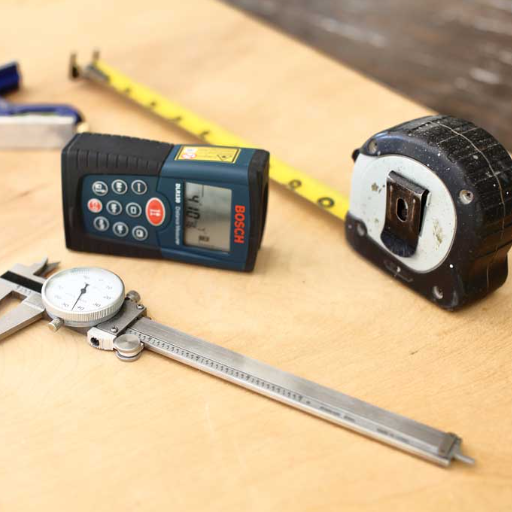
Measuring tools translate distance, angle, and elevation into reliable numbers. On a construction site, these numbers control layout, fit, finish, and structural alignment. The right tool gives a crew confidence that walls are plumb, floors are level, and cuts are accurate.
Modern measuring tools combine traditional reliability with digital speed. A tape measure still belongs in every tool belt, while laser distance measurers and rotary lasers handle large-scale layout faster than manual methods. The key is matching the tool to the task, the tolerance, and the working conditions.
Types of Measuring Tools
Construction teams use a wide range of instruments. Each one solves a specific measurement problem:
- Laser distance measurers calculate distance, area, and volume with millimeter-level accuracy. They are ideal for room sizing, rough openings, and as-built checks.
- Tape measures remain essential for quick field measurements. Common lengths range from 16 ft to 35 ft, with magnetic hooks and double-sided markings for easier use.
- Theodolites measure horizontal and vertical angles with high precision. Surveyors use them for property boundaries, control points, and building layout.
- Levels verify horizontal and vertical surfaces. Options include bubble levels, spirit levels, and laser levels for foundations, doors, windows, and shelving.
- Calipers measure small components with external, internal, and depth readings. Digital models simplify reading and repeatability.
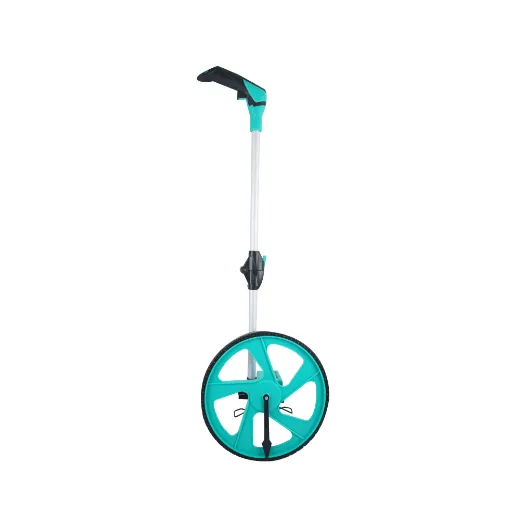
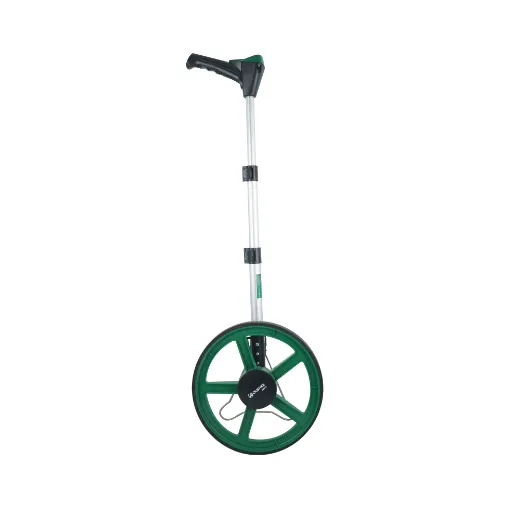
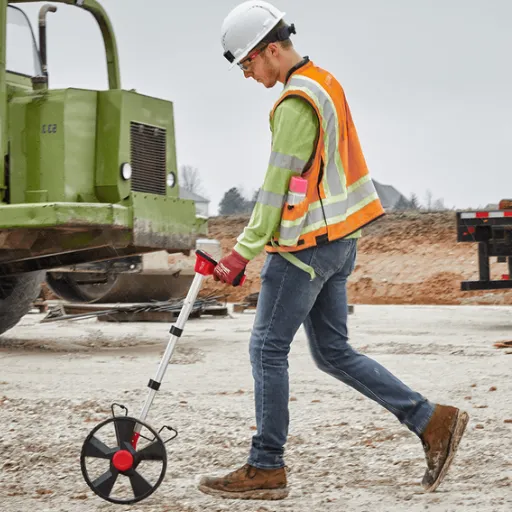
- Measuring wheels cover long distances quickly across uneven ground. They work well for site planning, landscaping, and utility layout.
- Plumb bobs provide a simple vertical reference for brickwork, flooring, and roofing.
Using the right mix of traditional and digital tools improves both reliability and productivity on site. We will provide you with a guide on how to choose the right equipment, thereby saving you money and shortening the time required for your project.
Importance of Precision in Construction
Precision affects safety, quality, and cost. Accurate measurements reduce material waste, limit rework, and keep installations compliant with design documents and building codes. They also protect schedules, since correcting layout errors after framing or concrete placement is expensive.
For contractors and project managers, consistent accuracy builds trust with clients. For distributors and brand owners, selling or sourcing reliable measuring tools strengthens your reputation and reduces returns.
Construction Measuring Tools
Construction measuring tools are the instruments crews use to lay out, check, and verify work on a job site. Unlike general woodworking or machining tools, these instruments must withstand dust, moisture, vibration, and daily handling while maintaining accuracy. This section covers the tools most relevant to construction layout, surveying, and field verification.
Laser Distance Measurers for Construction
A laser distance measurer (LDM) sends a laser beam to a target and calculates distance based on the return time. Professional units measure up to 300 ft or more, with accuracy within ±1/16 inch. They are useful for:
- Measuring room dimensions for drywall and flooring estimates
- Checking rough openings for doors and windows
- Calculating area and volume for material takeoffs
- Verifying as-built dimensions before inspections
Look for models with bright displays, memory storage, and indirect measurement modes for hard-to-reach areas.
Laser Levels and Rotary Lasers
Laser levels project a straight horizontal or vertical line across a room. Rotary lasers spin a 360-degree plane, making them ideal for larger spaces and outdoor work with a detector. Common construction applications include:
- Setting grades for concrete pours and foundations
- Aligning cabinets, countertops, and suspended ceilings
- Checking wall and post alignment
- Establishing consistent heights across long distances
Self-leveling models save setup time, while green beams are easier to see in bright conditions. For exterior grading and excavation, a rotary laser with grade matching is the most efficient choice.
Total Stations and Builder’s Levels
Total stations combine electronic distance measurement with angle reading. They are used for precise layout, topographic surveys, and setting control points. A single operator can measure coordinates, distances, and elevations with one instrument.
Builder’s levels, also called dumpy levels or automatic levels, are simpler optical instruments used to establish horizontal planes. They are common in foundation work, drainage layout, and road construction where grade consistency matters.
Heavy-Duty Tape Measures and Measuring Wheels
A heavy-duty tape measure is still the fastest tool for short measurements, marking studs, and checking cuts. Construction-grade tapes feature reinforced blades, impact-resistant housings, and strong locking mechanisms.
Measuring wheels handle longer distances where a tape is impractical. They are useful for:
- Estimating pavement, fencing, and trench lengths
- Planning landscape and utility runs
- Checking site perimeters before staking
Construction-Grade Squares and Chalk Lines
Framing squares, speed squares, and combination squares help carpenters mark accurate right angles and roof cuts. A chalk line snaps a straight reference across large surfaces for framing, roofing, and tile layout. Together, these simple layout tools form the backbone of carpentry measurement on site.
Construction Scenario Selection Table
Choosing the right instrument depends on the task, the required accuracy, and the working environment. The table below matches common construction tasks to the best measuring tools for construction.
| Construction Task | Recommended Tool | Accuracy Level | Typical Budget Range |
|---|---|---|---|
| General layout and short measurements | Heavy-duty tape measure | ±1/32 to ±1/16 inch | $10–$40 |
| Long distance or rough site layout | Measuring wheel | ±1 to ±6 inches over 100 ft | $30–$150 |
| Room dimensions and material estimates | Laser distance measurer | ±1/16 inch | $50–$300 |
| Interior alignment and leveling | Line laser level | ±1/8 inch at 30 ft | $80–$400 |
| Grading, excavation, and foundations | Rotary laser with detector | ±1/8 inch at 100 ft | $300–$1,500 |
| Precise angle and coordinate layout | Total station | ±3 to ±5 seconds of angle | $3,000–$15,000+ |
| Simple vertical reference | Plumb bob or laser plumb | ±1/4 inch at 10 ft | $10–$120 |
| Framing and roof cutting | Framing square / speed square | ±1/16 inch | $10–$50 |
| Tile, drywall, and finish layout | Chalk line/laser line | ±1/16 inch | $5–$200 |
| Final as-built verification | Laser distance measurer + level | ±1/16 inch | $100–$500 |
This table helps crews and buyers narrow the options quickly. For most interior work, a tape measure, laser distance measurer, and line laser cover the majority of tasks. For grading and excavation, a rotary laser is essential. For large commercial layout, a total station or builder’s level becomes the right investment.
Essential Measuring Tools for Layout and Marking
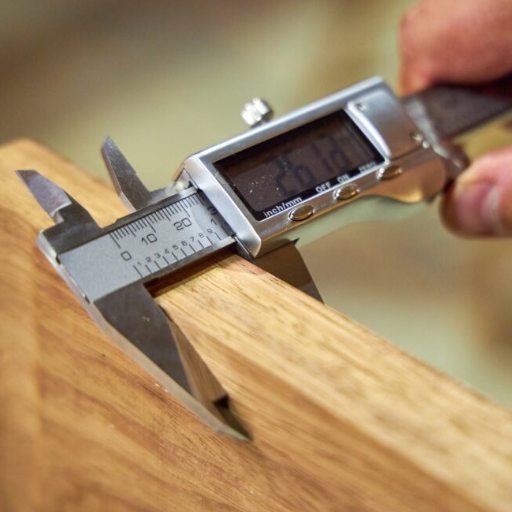
Beyond electronic instruments, several hand tools remain essential for layout and marking. These tools are affordable, portable, and reliable in conditions where batteries or delicate optics may fail.
Tape Measure: A Carpenter’s Best Friend
A tape measure is the most used tool on a construction site. Its flexible metal blade is marked in inches and millimeters, with a locking feature to hold the blade in place. Durable housing and a strong hook improve longevity on busy job sites.
For professional construction, choose a tape with a 1-inch or wider blade for longer standouts and easier one-person measurements. Magnetic hooks and double-sided markings add convenience when working on steel studs or in tight spaces.
Combination Square: Versatility in Measurement
A combination square includes a ruler and a sliding head for marking 90° and 45° angles. It can also measure depth, check flatness, and mark parallel lines. Some models include a small spirit level or scribe for layout work.
This tool is useful for finish carpentry, metalworking, and machinery setup where repeatable angles matter.
Marking Gauge: Achieving Accurate Lines
A marking gauge uses a beam, fence, and pin or knife to scribe parallel lines at a set distance from an edge. Woodworkers and timber framers use it for joinery layout, but it also helps in any task that requires a consistent offset mark.
Advanced Measuring Tools for Precision
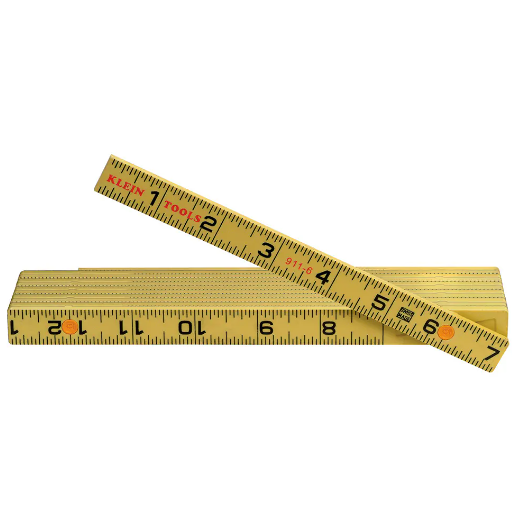
For tasks that demand tighter tolerances, advanced instruments provide digital readings and higher accuracy. These tools are common in finish carpentry, custom fabrication, and quality control.
Digital Angle Finder: Modern Solutions for Angles
A digital angle finder displays real-time angle readings for miter cuts, bevel adjustments, and cabinet installation. Many models include a hold function, reverse-angle display, and locking blade. This speeds up crown molding, stair work, and machinery setup.
Dial Caliper: Precision Beyond Standard Measurement
A dial caliper combines rack-and-pinion mechanics with a dial indicator to measure external, internal, depth, and step dimensions. It is widely used in machining, automotive work, and quality control where tolerances are tight.
For construction, dial calipers are useful for checking fastener sizes, hardware fit, and small-component dimensions.
Framing Square: Making Perfect Right Angles
A framing square is an L-shaped carpenter’s square used to check straightness, mark cuts, and measure angles. It is essential for framing walls, stairs, and roofs where large right angles must be accurate.
Specialized Tools for Detailed Work
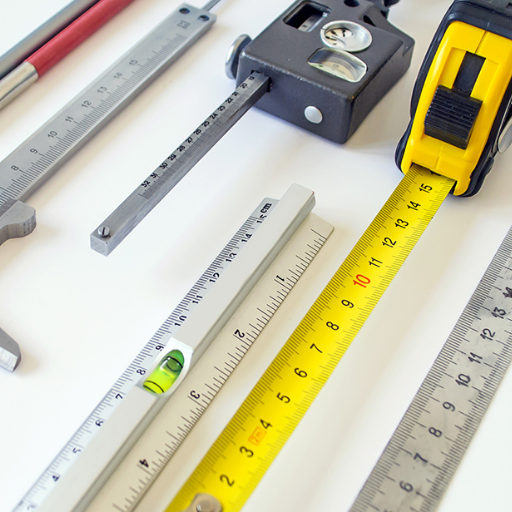
Some trades require instruments designed for very fine measurements. While these are not daily tools for every construction crew, they are valuable in finishing, metalwork, and machinery installation.
Machinist’s Tools: Calipers and Indicators
Calipers handle external, internal, and depth measurements. Indicators detect tiny surface or alignment changes. These tools are critical in machining quality control and are sometimes used on site for precision equipment installation.
Protractor: Measuring Angles with Ease
Protractors measure and mark angles for layout and cutting. Digital versions offer backlighting, memory, and hold functions that speed up work in low-light conditions.
Dial Indicators: Precision Measurement in Machining
Dial indicators measure very small linear distances using mechanical magnification, often to 0.001 inch. They are used for alignment, runout checks, and quality control in machining and equipment setup.
Factors to Consider When Using Dial Indicators
- Mount the indicator securely to minimize vibration.
- Protect the instrument from temperature swings and dirt.
- Calibrate regularly against certified standards.
- Use consistent measuring force to avoid reading errors.
How to Choose Measuring Tools for Construction
Selecting the best measuring tools for construction means balancing accuracy, durability, and cost. Ask these questions before buying or stocking tools:
- What tolerance does the task require? Framing allows wider tolerances than finish carpentry or tile work.
- What is the working environment? Dust, moisture, and drops demand rugged housings and sealed optics.
- How often will the tool be used? Daily professional use justifies higher-grade instruments.
- What power source is practical? Rechargeable batteries are convenient but require backup power on remote sites.
- Is calibration support available? Long-term accuracy depends on regular calibration and service.
For distributors and OEM buyers, choosing a supplier that offers consistent quality, calibration support, and customization options reduces long-term sourcing risk.
Maintenance and Calibration on the Job Site
Even high-quality measuring tools lose accuracy without proper care. Establish simple maintenance habits to protect your investment:
- Store instruments in protective cases when not in use.
- Clean measuring faces, lenses, and blades after each shift.
- Avoid exposing tools to corrosive substances or extreme temperatures.
- Calibrate against gauge blocks or certified references on a scheduled basis.
- Use consistent measuring force with calipers and micrometers.
- Lubricate slides and moving parts as recommended by the manufacturer.
- Keep calibration records for audit and warranty purposes.
A well-maintained tool lasts longer and produces more reliable results, which protects both schedule and budget.
References
- NIST, Metrics and Tools for Measuring Construction Productivity
https://nvlpubs.nist.gov/nistpubs/Legacy/SP/nistspecialpublication1101.pdf - Access Board, Dimensional Tolerances in Construction
https://www.access-board.gov/research/building/dimensional-tolerances/
Frequently Asked Questions
How can a carpenter pick out the best woodworking measuring and layout tools?
Start with a quality tape measure, sturdy combination square, clear graduated ruler, and reliable marking tools. Ergonomic grips and a compatible marking system improve speed and accuracy. For repeatable work, steel squares and precision fences are worth the investment.
Can a machinist use a micrometer instead of a digital caliper for precision parts?
Yes. Micrometers are preferred for very fine tolerances and outside-diameter work. Calipers are more versatile for depth, step, and inside measurements. Many machinists keep both on hand.
What measuring tools should a carpenter carry for everyday projects?
A tape measure, combination square, marking tools, a 6-inch rule, folding rule, and a small digital caliper or depth meter cover most daily tasks.
What strategies are used by machinists to keep high-precision instruments calibrated?
Keep tools in protective cases, clean measuring faces, avoid corrosive substances, calibrate against gauge blocks, use consistent measuring force, lubricate slides, and maintain calibration records.
Which is the most cost-effective set of measurement instruments for home users and small businesses?
A steel tape measure, digital caliper, micrometer, and marking tools provide strong value. Buying from a single supplier simplifies warranty claims and calibration support.
Final Thoughts
The best measuring tools for construction combine accuracy, durability, and practical value. From basic tape measures and chalk lines to rotary lasers and total stations, each instrument has a place on the job site. The key is choosing tools that match the task tolerance, working conditions, and budget.
For contractors, the right tools reduce waste, speed up layout, and protect project quality. For distributors and brand owners, offering a reliable range of construction measuring tools builds trust and supports long-term customer relationships.
Ready to upgrade your measuring tool selection? Browse our measuring tools category or contact us to discuss custom solutions, OEM options, and factory-direct pricing for your business.