
Best Hammers for Construction: 2026 Professional Buying Guide
Choosing the right hammer for construction work affects productivity, worker fatigue, and jobsite safety. Whether you are a contractor equipping a crew, a distributor building a product line, or a procurement manager sourcing reliable tools, the decision goes beyond price. The right construction hammer must match the material, the task, and the frequency of use.
This guide explains what construction hammers are, how to select the best hammers for construction by trade scenario, and which models perform best in 2026. It is written for professional buyers who need clear, actionable information without marketing fluff.
What Are Construction Hammers?
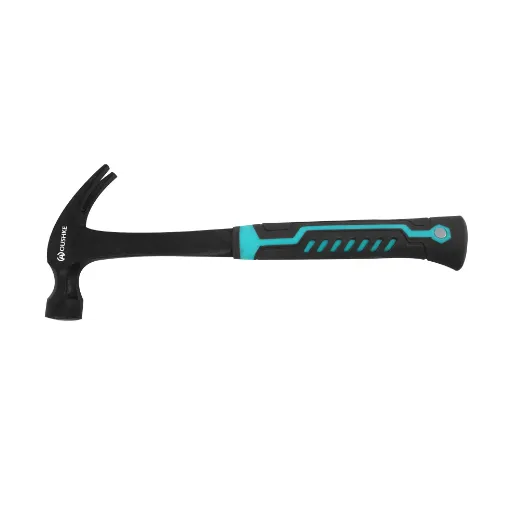
A construction hammer is a hand or powered striking tool designed for driving nails, fitting parts, shaping metal, breaking concrete, or demolishing structures. Unlike household hammers, construction hammers are built for repeated heavy use, often in demanding conditions.
The main categories include:
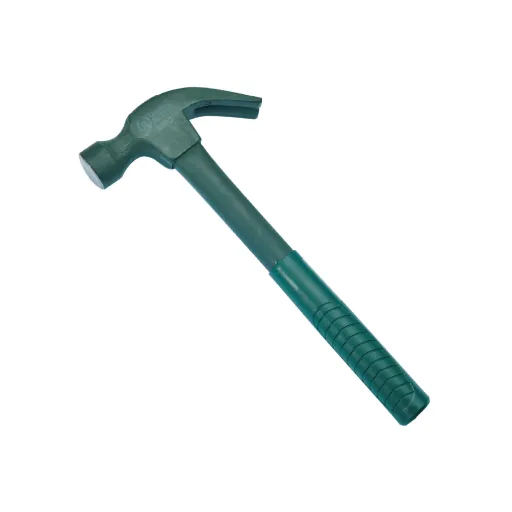
- Claw hammers for general carpentry and finish work.
- Framing hammers for heavy-duty wood framing.
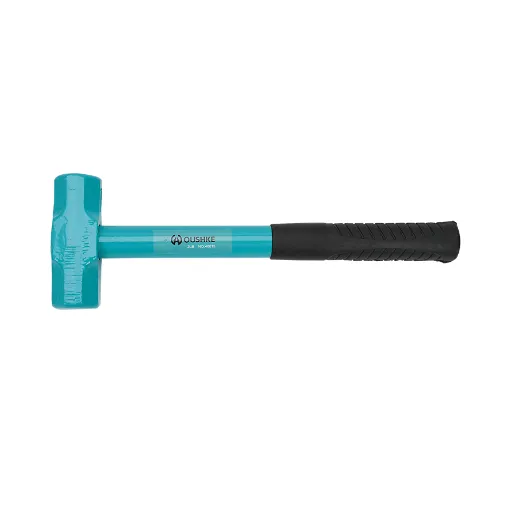
- Sledgehammers for demolition and driving stakes.
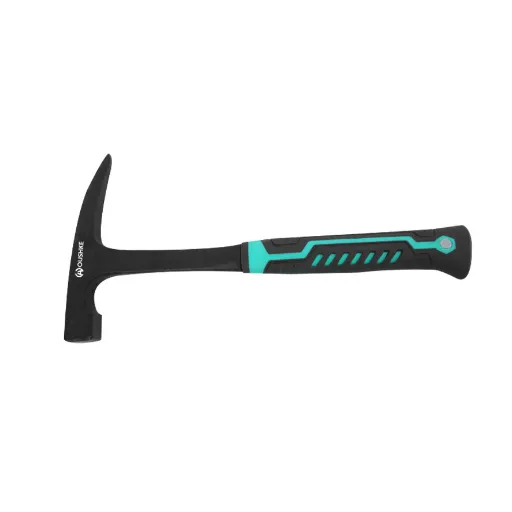
- Masonry and brick hammers for cutting and setting stone or brick.
- Ball peen and cross peen hammers for metal shaping and steelwork.
- Powered demolition hammers and rotary hammers for concrete and masonry removal.
Handle materials affect durability and comfort. Hickory absorbs shock but wears faster. Fiberglass resists weather and vibration. Steel lasts longest but transmits the most recoil. Titanium offers a strong, lightweight middle ground with excellent vibration dampening.
Best Hammer for Construction by Trade Scenario
The fastest way to choose the right tool is to match the hammer to the job. Below is a scenario-based comparison table for professional buyers.
| Scenario | Recommended Hammer Type | Key Features | Example Models |
|---|---|---|---|
| Woodworking / Carpentry | Claw hammer or framing hammer | 16–20 oz head, smooth or milled face, shock-absorbing grip | Estwing Rip Claw 16 oz, Stiletto Ti-Bone 15 oz |
| Demolition (Heavy) | Sledgehammer or powered demolition hammer | 4–10 lb head or SDS-Max, high impact energy, vibration control | Estwing Big Blue 25 oz, Makita HM0871C, DeWalt D25899K |
| Concrete / Masonry | Masonry hammer, brick hammer, or club hammer | Hardened steel head, chisel or flat face, durable handle | Vaughan Brick Hammer, DeWalt D25899K (powered) |
| Steel Structure / Metalwork | Ball peen hammer or cross peen hammer | Hardened steel head, precise balance, controlled impact | Estwing Ball Peen Hammer, Klein Tools Ball Peen |
Woodworking and Carpentry
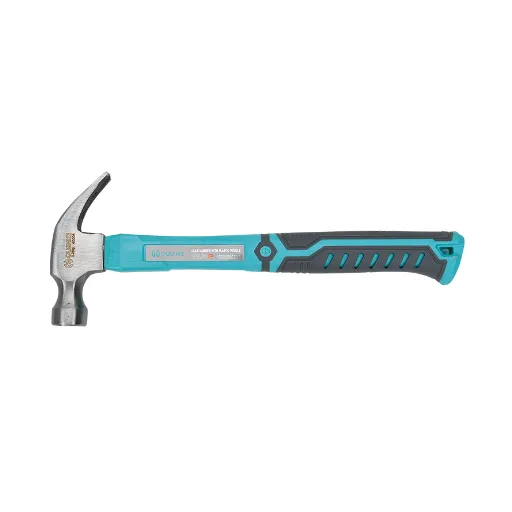
For framing, trim, and general carpentry, claw hammers and framing hammers are the standard. A 16–20 oz claw hammer handles most jobs, while a heavier framing hammer drives large nails faster in rough construction.
Top pick for carpentry: Estwing Rip Claw 16–20 oz. It is forged from one piece of American steel, has a patented shock-reduction grip, and is durable enough for daily professional use.
Top premium pick: Stiletto Ti-Bone 15 oz. The titanium head drives like a much heavier steel hammer but with roughly one-tenth the recoil. This reduces arm fatigue over long shifts, making it popular with professional framers.
Demolition
Demolition work requires impact force. For hand demolition, a sledgehammer or club hammer with a 4–10 lb head is common. For concrete, brick, or stone, powered demolition hammers are more efficient and reduce operator strain.
Top hand demolition pick: Estwing Big Blue 25 oz or a standard 8–10 lb sledgehammer. These provide high impact for breaking walls, driving stakes, or removing forms.
Top powered demolition pick: Makita HM0871C. It delivers 7.6 joules of impact energy, has an anti-vibration system, and uses SDS-Max bits for heavy concrete work.
Concrete and Masonry
Masonry hammers combine a flat striking face with a chisel-shaped blade for cutting and setting brick or stone. Club hammers are compact options for driving chisels in tight spaces.
Top masonry pick: Vaughan Brick Hammer. Its hardened steel head and balanced handle make it reliable for cutting brick and setting mortar joints.
For large-scale concrete removal, a rotary hammer or demolition hammer is the practical choice. The DeWalt D25899K delivers 17 joules of impact energy and is built for reinforced concrete and thick masonry.
Steel Structure and Metalwork
Ball peen and cross peen hammers are used for shaping metal, driving punches, and setting rivets. These hammers need hardened steel heads and precise balance to avoid glancing blows.
Top metalwork pick: Estwing Ball Peen Hammer. Its one-piece forged steel construction and balanced head provide consistent control for steel framing and light fabrication.
Key Features to Compare
When sourcing construction hammers in volume, focus on these features:
- Head material: Drop-forged and heat-treated steel heads last longer. Titanium heads reduce weight and recoil but cost more.
- Weight: 16–20 oz suits all-day carpentry. 22–28 oz works for heavy framing. Powered hammers are rated by impact energy (joules).
- Handle material: Fiberglass and rubber reduce vibration. Hickory offers classic shock absorption. Steel handles are the most durable.
- Face design: Milled or waffle faces grip nail heads and reduce slipping. Smooth faces protect finished surfaces.
- Claw style: Rip claws work for framing and prying. Curved claws remove nails more easily.
- Vibration control: Anti-vibration grips and decoupled heads reduce fatigue and injury risk.
- Corrosion resistance: Powder-coated or epoxy finishes protect heads in outdoor or humid conditions.
2026 Product Recommendations
The following models represent reliable choices across the main construction categories. These recommendations are based on professional reviews, jobsite feedback, and current manufacturer specifications.
| Category | Model | Key Spec | Best For |
|---|---|---|---|
| Best Framing Hammer | Stiletto Ti-Bone TB15MC | 15 oz titanium head, milled face, 17.5″ handle | Professional framers, reduced fatigue |
| Best Steel Framing Hammer | Estwing Big Blue / E3-22S | 22–25 oz forged steel, rip claw | Heavy framing, demolition-ready |
| Best Claw Hammer for Construction | Estwing Rip Claw 16–20 oz | One-piece steel, shock-reduction grip | General carpentry and all-day use |
| Best Titanium Hammer | Dalluge DDT16 | 16 oz titanium, hickory handle | Lightweight framing with classic feel |
| Best Demolition Hammer (Hand) | Estwing Big Blue 25 oz | Forged steel, heavy head | Wall demolition, stake driving |
| Best Demolition Hammer (Powered) | Makita HM0871C | 1,100W motor, 7.6J impact energy | Concrete and masonry removal |
| Best Heavy-Duty Demo Hammer | DeWalt D25899K | 1,500W motor, 17J impact energy | Reinforced concrete, industrial work |
| Best Masonry Hammer | Vaughan Brick Hammer | Hardened steel, chisel blade | Brick and stone cutting |
| Best Ball Peen Hammer | Estwing Ball Peen | Forged steel, multiple weights | Metal shaping and steelwork |
Hand vs. Powered Construction Hammers
Hand hammers remain essential for precision work, tight spaces, and tasks where portability matters. Powered hammers, including rotary hammers and demolition hammers, are necessary for concrete, masonry, and large-scale demolition.
For most carpentry and light steelwork, a quality hand hammer is sufficient. For concrete removal, foundation work, or repeated heavy breaking, powered tools deliver better efficiency and lower labor cost over time.
Safety and Ergonomics for Professional Use
Repeated hammer use creates strain on the wrist, elbow, and shoulder. Choosing the right tool reduces injury risk and improves productivity.
- Match the hammer weight to the worker and the task.
- Use anti-vibration grips or gloves for long shifts.
- Inspect handles for cracks and heads for looseness before each use.
- Wear safety glasses and hearing protection on active job sites.
- For powered hammers, follow OSHA silica and dust-control guidelines.
Maintenance Tips for Longer Tool Life
Proper care extends the service life of construction hammers and protects your investment.
- Clean the head and handle after each use.
- Inspect for cracks, chips, or loose handles.
- Store hammers in a dry place to prevent rust.
- Apply rust-preventive oil to steel heads when needed.
- Sharpen striking edges on masonry hammers only when specified by the manufacturer.
- Replace hammers with cracked handles, deformed faces, or significant corrosion.
Buying Checklist for B2B Buyers
Use this checklist when sourcing hammers for resale, rental fleets, or crew equipment:
- Match the hammer type to the primary trade scenario.
- Verify head material and heat treatment specifications.
- Choose handle materials that balance durability and vibration control.
- Confirm weight range matches end-user needs.
- Check for magnetic nail starters or side pullers if preferred by framers.
- Request samples for field testing before placing large orders.
- Compare warranty terms and replacement part availability.
Frequently Asked Questions
What is the best hammer for construction framing?
The best framing hammer depends on the workload. For all-day professional framing, the Stiletto Ti-Bone 15 oz reduces fatigue while delivering heavy driving power. For budget-conscious crews, the Estwing E3-22S or Big Blue 25 oz offers durability at a lower cost.
What hammer is best for concrete demolition?
For small concrete jobs, a sledgehammer or club hammer works. For larger jobs, use a powered demolition hammer like the Makita HM0871C or DeWalt D25899K, which deliver the impact energy needed for concrete and masonry.
Are titanium hammers worth the higher price?
For professional framers who swing a hammer daily, titanium models reduce recoil and fatigue enough to justify the cost. For occasional use or general crew work, forged steel hammers provide better value.
What is the difference between a claw hammer and a framing hammer?
Framing hammers are heavier, have longer handles, and usually feature milled faces and straight rip claws for heavy nailing and prying. Claw hammers are lighter, have curved claws, and are better for general carpentry and nail removal.
Conclusion
Selecting the best hammer for construction means matching the tool to the task. Carpentry calls for balanced claw or framing hammers. Demolition needs sledgehammers or powered breakers. Masonry and concrete require hardened striking tools or rotary hammers. Steelwork depends on precise ball peen or cross peen hammers.
For B2B buyers, the priority is consistent quality, reliable supply, and the right product mix for your customers. If you need factory-direct hammers, custom specifications, or private-label solutions for your market, contact our team to discuss how we can support your business.