
Custom Hand Tools: Designing Your Own Unique Tools
For any craftsman, the tools used may be the most significant factor in achieving the desired results. If the standard tools available do not fit your needs or are not compatible with your creative process, then custom hand tools are the solution. By designing your own tools you will not only be able to make them perfect for your work and choice but also bring a personal element to your projects. This article will introduce the methods and benefits of making custom hand tools, thus making it easier for you to upgrade your skills and creativity to the next level. So whether you are an artisan, woodworker, or just a DIY enthusiast, this guide will be a great source of inspiration for you to go beyond the usual and come up with tools as original as the artistic pieces you make.
The Importance of Custom Tools in Craftsmanship
Enhancing Precision and Control
Custom tools can dramatically improve control and precision in craftsmanship by letting the craftsmen take care of the particularities that standard tools might miss. A tool produced for the specific task in hand gives the user better handling and accuracy, thus a better result is achieved with less effort. A woodcarver, for instance, who is making a chisel with a specially shaped blade can be detailing very subtly or making the whole thing with a blade that is simply too big or thick.
By adjusting tools to fit the precise needs of a project, the craftsmen can work faster and with more assurance. Custom handles, modified angles, or sizes can be tailored to individual preferences which would in return reduce fatigue and provide better ergonomics. This painstaking precision in making the tools not only adds to the overall craftsmanship but also creates a stronger bond between the artist and his/her work.
💡 Key Insight: Custom tools are a source of inspiration as they promote the artisans to explore new territories and think outside the box. The moment a craftsman invests time into making a tool that is really specific to his/her vision, he/she is actually opening the door to new ways of solving problems and playing around with ideas. The merging of functionality and personal taste in these tools makes them to be looked upon as the artist’s partners in the process of creation, thus boosting the quality of the artistic work and making the act of creation even more enjoyable.
Adapting to Specific Needs
Everywhere in the world, the adaptation to specific requirements in any domain begins with a very good comprehension of the situation or audience’s unique needs. The personalization of approaches, whether it be individual likings, environmental settings, or specific goals, results in more effective and cashless outcomes. For instance, the design or craftsmanship areas, the making of tools or solutions that suit particular requirements plays a vibrant role in increasing both functionality and satisfaction.
The adaptation process highly depends on reliable information and feedback. The collection of user or stakeholder insights is very helpful in pinpointing priorities, thereby leading to the most impactful adjustments. This back-and-forth process not only polishes the end product or solution but also creates a community feeling of collaboration and inclusivity. By catering to clearly defined needs, solutions often become more usable and last longer.
The other side of the coin is that adaptation leads to the generation of new ideas. If an answer is flexible and adaptable, it is possible to pull the plugs on its making by coming up with the best and most creative ways. This strategy is beneficial for the whole duration and besides, it is being responsive to the changing conditions or evolving needs, whether in a fashion of artistic endeavors, engineering, or living day-to-day situations. Eventually, the whole cycle of adapting to specific needs is a key practice towards the accomplishment of significant and impactful results.
Improving Comfort and Ergonomics
One the main factors that keep workers productive and healthy is the quality of comfort and ergonomics in their environments. A very good method to do this is to modify the setup in the workplace to fit the natural body positions. For instance, a chair should have a backrest that supports the lower back (lumbar region) and at the same time let the feet rest flat on the floor. The height of the desk and the position of the monitor should also be such that the user’s eyes will naturally look right at the top of the screen thereby reducing the strain on the neck and shoulders. Even such small changes can be of great help in providing comfort for a long time.
The quality of lighting also has a large impact on ergonomics. Good lighting lessens the strain and fatigue on the eyes, no matter if it is done by optimizing natural light or using adjustable, task lighting. Installing anti-glare screens or using diffused light bulbs can also make the workspace much more comfortable visually and thus keep it productive and safe for eyes without causing stress.
Finally, it is necessary to take a few short breaks and make movements during the day to keep comfort and ergonomic health going. Activities like stretching, standing, or taking a short walk help to undo the negative effects of sitting and doing repetitive motions for a long time. The use of ergonomically designed furniture and making environmental adjustments together with such movements as well as habits keep the body in the right posture and thus are a source of long-term comfort and productivity.
Benefits of Custom Hand Tools
Quality Over Quantity
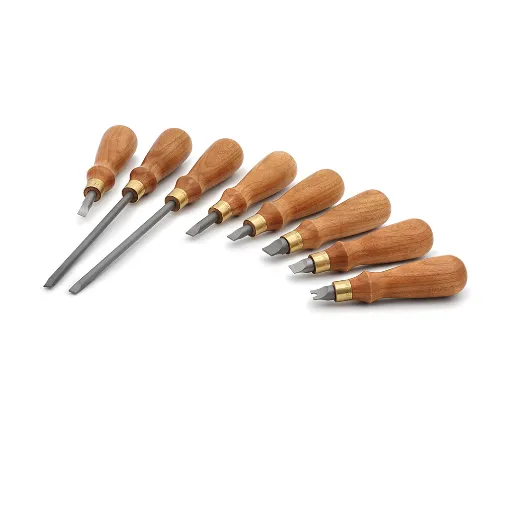
Quality over quantity should be the main criterion all along for custom hand tools if you aim for long-lasting tools with high reliability. Quality hand crafted products and high-end raw materials usually come with more prolonged life cycles and effective performance of the tools. Below are five crucial reasons that show the worthiness of spending on quality custom hand tools:
🔧 Five Key Advantages
- Durability to the Max: Custom high-quality tools are very tough and they can stand significant wear and tear, thereby preventing the occurrence of frequent replacements. Overall cash spends will also be reduced. For example, tools made out of high-grade steel have more resistance to breaking and they do not rust or corrode easily.
- Precision and Accuracy: Custom tools are made according to the user’s specific needs hence they will be very functional and will suit the user’s needs the best. This will result in greater efficiency and a lower error rate during work.
- Ergonomics Enhanced: Ergonomically designed tools are the ones that drain the least of the user’s strength and cause the least discomfort during the time they are being used. A custom screwdriver with a contoured grip can significantly lower wrist fatigue, enhancing user comfort.
- Time and Money Saver in the Long Run: Although having quality tools in the beginning is costly, their long-lasting life and the expenseless maintenance make them a lot more cost-effective throughout the life of the product compared to low-quality ones that break easily and require frequent replacement.
- Productivity Boosting: High-quality custom tools are designed to achieve the best performance and thus the users are able to do the job faster. The quicker the work the more time saved and the more productivity that will be in total.
By making quality the priority, one ends up with tools that are dependable and sustainable in performance, thus bringing a quantifiable return over the years.
Longevity and Durability
Durable and long-lasting high-quality tools are considered a smart investment, both for professionals and individuals. Below is a list of five characteristics along with data that testify to their superlative performance:
By offering superior quality, makers assure the continuous supply of top-notch tools that can withstand the pressure of time, with no end to their performance and value.
Unique Aesthetic Appeal
The tools of the highest quality do not just produce better results but their unusual beautiful designs also make them distinguishable. The quality of artisanship behind them makes them look like a thousand bucks while performing so. Here are five major traits that enhance the visual charm of the tools that are made of quality:
- ✓ Premium Materials: Luxury tools have often been made of shiny metals, tough alloys, or treated woods which make them look sleek and professional.
- ✓ Ergonomic Design: The majority of good tools have ergonomic features in their designs which make them easy to use and at the same time give a modern and fashionable look as well.
- ✓ Finishing Touches: Very fine finishing like smoothing edges, logos made by engraving or adding fine textures does not just heighten their overall visual and tactile appeal but also makes them feel better.
- ✓ Color Customization Options: A few luxury brands may sell tools in colors chosen by the customer or in the brand’s signature colors which enables the customer to have a kit of their own choice that is not less in quality.
- ✓ Timeless Design: The quality tools generally have a minimalist or classic design so they always look good and are still relevant after many years have passed.
Not only are these design features important for the aesthetic value, but they also show the skills and the effort put into making the tools.
The Process of Creating Custom Hand Tools

Initial Design and Conceptualization
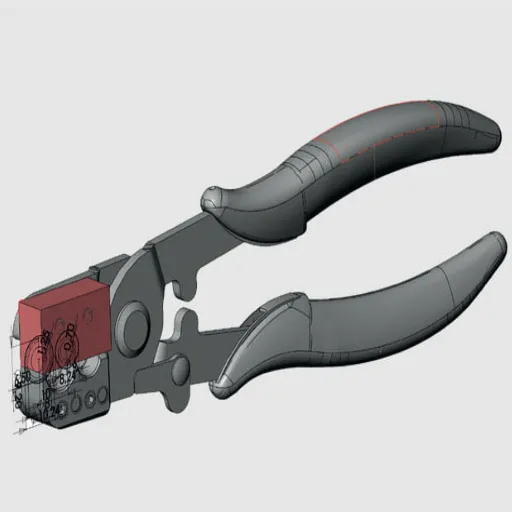
The process of making custom hand tools starts with in-depth planning and far-sighted design. Designers and customers build up a very close relationship where they, through the customer’s wants, needs, and these functional requirements, draw designer inspiration from each other. The phase is characterized with brainstorming, sketches and step by step creation of the blueprint through advanced design software. The target is to find a point where the customer’s uniqueness is satisfied while at the same time, getting a good product in terms of both function and beauty. Custom tools not only fit specific operations but also the user; hence the product is an improvement in productivity.
Selection of materials is another very important part of the initial design stage. The designers analyze the practicality of various materials such as steel, carbon-fibre, wood or polymer composites to arrive at which once will give the best durability, performance, and beauty. Manufacturers by taking advantage of the latest material sciences, make the tools that are light-weight, rust-resistant, and long-lasting. This process is quite a scientific undertaking where it is not only the industry professionals’ input that is considered but also rigorous tests with the materials done under various simulated conditions.
⚙️ Process Note: After the design and materials are confirmed, the manufacturers of the tools will then rely on technologies such as CNC machining and 3D printing to make the first samples. Such samples are then subjected to very rigorous testing to confirm that they indeed match the performance and safety standards set beforehand. Changes are done according to the real-world trials and also the design is modified to remove any kind of problem. This back and forth process is one of the most important stages in making a tool where one assures that the tool fulfills not only the required standard of quality but also the maximum functional standard before it goes into mass production.
Material Selection and Sourcing
Choosing the right materials still remains an essential step in making good and quality tools. The best materials are selected according to their physical properties, lifespan, and power to resist difficult use. For example, usually, alloy steels are the top choice nowadays due to their great strength and resistance to corrosion, hence, they are perfect for making tools that will suffer from heavy stress or be in contact with water and air. Aluminum is one of the other materials, which is preferred for making tools that are light in weight, whereas, composites may still be used to give flexibility and at the same time, lower the weight even more. Each material is put through a rigorous testing process to make sure that it fits the intended purpose of the product.
Getting these materials from responsible sources is another aspect that is indispensable for keeping the quality and being sustainable. Manufacturers more and more frequently look for suppliers who practice ethically and also comply with environmental standards. For instance, certifications like ISO 14001 are recognized benchmarks indicating a supplier’s commitment to operating in an environmentally friendly manner. Moreover, sourcing of raw materials within the country can sometimes help to lower carbon footprints and support local economies. This trend towards sustainable sourcing characterizes the growing concern for preserving the environment through the use of eco-friendly practices along the entire production chain.
Artificial intelligence-powered supply chain management systems are among the advanced technologies the manufacturers are making use of to sort out the materials efficiently. The systems track data patterns for predicting demand, improving procurement tactics, and minimizing material waste. Manufacturers can then use these innovations together with detailed market research and compliance with high-quality standards to get the materials that are both reliable and cost-effective at the same time. This link between material selection and sourcing guarantees that the final tools will not only be superb in performance but also compliant with the modern-day standards of responsibility and creativity.
Crafting Techniques and Methods
The combination of classic craftsmanship and modern technology is responsible for the development of precision tools. The use of hand-finishing techniques is still a key factor in getting the superior attention to detail that sometimes automated processes can miss. Every part is meticulously scrutinized during the phases of assembly to ensure that it conforms with the blueprints thus guaranteeing its precision and durability. Components are common to be tested at several points during the process to affirm their quality and performance in various conditions; this indicates the key role of manual skill in the production process.
The process of modern manufacturing utilizes the latest machines, such as CNC machines (Computer Numerical Control) for making tools with an accuracy that is the highest ever. The machines facilitate the production of complex designs and small tolerances, thus minimizing errors and speeding up the process. Besides that, the high precision molding techniques, such as injection or casting, are used in the production process of intricate tool parts. The use of such techniques guarantees that the same quality is achieved in large-scale production without any loss of performance. The advent of 3D printing has also contributed significantly to prototyping, as it gives the manufacturers the capability of testing the new ideas and molding the designs until they are perfect for mass production, within a very short period.
🌱 Sustainability Focus: Moreover, there is a growing trend among manufacturers to embrace eco-friendly ways in their production process. To cover up for the leftover material that comes from production, advanced recycling systems are put in place while energy-efficient methods like heat recovery systems are used to lessen the carbon footprint. The partnership between the industry and the academia in research projects is a big plus for the industry as it enhances the industry’s ability to innovate responsibly. Mixing traditional craftsmanship with cutting-edge technology and eco-friendly practices, the tools’ manufacturing techniques continue to evolve while setting new standards in quality and sustainability.
Notable Makers of Custom Hand Tools
Innovations in Custom Tool Design
Unbelievable improvements in the direction of custom tool design are the result of cutting-edge technology and ever-changing user demands. The most important innovation among them is the introduction of CNC (Computer Numerical Control) machining, which gives the possibility of producing tools to meet specific requirements with remarkable precision. Moreover, 3D printing technology has further increased the speed of prototyping and, thus, artisans are able to create and analyze more intricate shapes in a less time-consuming manner.
Material science advances have also been a great contribution, as the use of high-performance alloys and composites results in tools that are not only strong but also light. Ergonomic designs that are based on user input and anthropometry have been the main factor for the development of hand tools, making them easier to use and less straining to the users during long-time handling. Besides, most of the current artisans use augmented reality (AR) for virtual design testing and simulations, so that every piece goes through the strict standards of quality before being physically produced.
The importance of sustainability continues to be a major issue—recycled materials, eco-friendly finishes, and energy-efficient production methods are increasingly being employed. The juxtaposition of time-honored craftsmanship and cutting-edge technology is still the main force that drives the custom tool industry to make a bold and respectful step forward.
Community and Collaboration in Tool Making
The tool-making sector is based on the combined expertise and joint efforts of the people and communities involved. Craftsmen and women usually build up close relations of trust with each other, and so they are able to bring forth their know-how and skills in order to overcome difficult problems and to come up with and materials for new solutions. The industry benefits from the professionals’ joint efforts in terms of shared resources, techniques, and ideas. The presence of traditional guilds and modern online forums as well indicates that cooperation knows no border either in time or place as the various platforms support mentorship, discussions, and the making of best practices.
One of the biggest changes in this regard has been the advent of digital communities and social media networks. The toolmakers and their fans can now get connected worldwide and share, also in real-time, blueprints, designs, and feedback. Crowdsourcing platforms enable us to have public problem-solving consultations; thus the tool creators are able to quickly get back to their drawing boards and make improvements to the tools, based on the community’s feedback. Conferences and maker events, likewise, are very important playing roles. They give hands-on experience to the participants and so very importantly the transfer of state-of-the art techniques is facilitated and also the innovation of the new techniques through the teamwork gets strengthened.
Tool making collaboration has also seen a trend of universities and research institutions getting involved, creating partnerships. A large number of manufacturers are doing the “working with the university and the scientists” thing in order to be in the loop of the most up-to-date research that deals with material, engineering, and ergonomics. Partnerships like these lead to tools that are of high quality and production standards regarding efficiency, sustainability, and safety. The toolmakers rely on such partnership networks to seamlessly integrate the traditional hand-crafting with the most advanced research and development, thus accelerating the progress and changing the standards of the industry.
The Future of Custom Hand Tools

Trends in Custom Tool Design
The custom tool design area is definitely going through a very fast change, and the future of it is going to be shaped by the major trends mostly. One major trend is that it is in the future that the additive manufacturing technology which is very popular as 3D printing is going to be the trend that allows perfect customization and fast prototyping of tools. It is going to be the tooling that is going to be very experimental in terms of design getting a lot of creative and intricate shapes without having to resort to traditional, thus expensive or impossible, techniques.
🔮 Emerging Trends
- Advanced Materials: The use of high-end materials like carbon fiber composites, and high-strength alloys that make the tools not only last longer but also lighter. The materials have a dual purpose; they not only increase functionality but also make the user comfortable and prolong the tool life.
- Sustainability: Being a green trend is gaining strength in the industry as the use of eco-friendly materials and methods of production is one of the measures used to reduce the impact on the environment.
- Smart Technology Integration: The tech trend of making tools smarter is fast incorporating into the tools and will soon be the trend. With the use of sensors and data-tracking capabilities in IoT-enabled tools, performance is monitored, maintenance predictions made and efficiency increased.
- User-Centric Design: User-centric design is still the top priority and it goes with ergonomic features that are specifically designed to alleviate strain and ward off injury.
The use of digital tools and software to mine user feedback and performance evaluation is on the rise, which will make sure that the tools will be able to address the needs of both skilled and amateur users alike. Therefore, the trends indicate that the fusion of tech and artistry is the force behind the birth of a new generation of custom tools.
Encouraging DIY Culture and Personalization
The rise of do-it-yourself (DIY) culture is changing the way that people use and think about the tools and materials. The whole thing opened up for people the opportunity to make what they want which eventually led to creativity, independence, and innovation. The DIY culture is thriving in many areas such as house renovation, fashion, electronics, and art. People are using online tutorials, maker communities, and other available resources to get skills and produce customized items that are perfectly suited to them. Among these resources, social media has played a crucial role as it allowed people not only to showcase their works but also to communicate what their ideas are, thus, getting others to join their interests in DIY too.
Personalization has established itself as a fundamental characteristic of the DIY movement, it is the goal for every maker to create the tools and the products that reflect their individuality in terms of preferences and styles. Technology has played a big part in that, especially with 3D printing and computer-aided design (CAD) that allow makers to produce very accurately tailored tools and parts. Custom furniture and personalized gadgets are just a few examples where the hobbyists and professionals are benefitting from the technology. Moreover, the DIY lovers who receive the subscription boxes or kits that are specially prepared for them get all the materials and instructions they need to easily do their personalized projects.
Modern-day makers who mix up the DIY culture with high-tech are looking for more ingenious ways to come up with results in their artistic activities. For example, there are now apps and platforms that help with everything from project planning and material sourcing through one-on-one instruction—all of which means that novices will have easy access to the comfier realm of DIY. These tools are playing an important role in minimizing the gap between the industrial production process and the individual craftsmanship. When technology is incorporated in DIY practice, the output will not only be functional but also attractive, thereby showing the personal touch of the creator even more. This flourishing culture is an indicator of a wider trend of society to be more sustainable, to express oneself, and to embrace the challenges and the fun of learning by doing.
Frequently Asked Questions (FAQ)
❓ What are custom hand tools and why choose them?
Hand tools are made to order according to user specifications or to users’ needs. The selection of custom tools helps to get rid of all the problems related to the ergonomic factor, the low quality of the product, and the inefficiency of the worker in the case of the use of standard tools.
❓ How does the customization process work for custom hand tools?
The first thing that the customization procedure does is consultation for the purpose of application, which indicates a need for the proper material selection, handle length, grip type, and business logo if any. First, the company makes sketches or prototypes and then the customer can select the material and participate in the manufacturing process with the possible revisions until the final custom hand tools meet the specifications.
❓ What variety of materials and finishes are available for custom hand tools?
The range of materials and finishes is very extensive, which includes high-carbon steel, stainless steel, and alloys for certain metals along with wood, plastic, and other materials for special surfaces. The combinations that are selected influence the tools’ life, weight, the way they are felt, and the performance in general.
❓ Can custom hand tools be scaled for large business orders?
Scaling up of production of custom hand tools to meet large business demands at a consistent quality is one of the things that most manufacturers do. The toolmaking companies usually provide tiered pricing structures, use quality control measures such as testing and checking, and conduct batch testing to ensure that there is no difference in quality from the start to the end of the high-volume production.
❓ How does tool length and ergonomics influence performance?
The length of tools and ergonomics are the main factors affecting leverage, the range of the user’s movement and the comfort of the user. Custom hand tools enable users to set both the optimal handle length and grip shape so that the reduction of fatigue and the improvement of accuracy can be maximized; this is particularly crucial for repetitive tasks in industrial or craft environments.
❓ Are custom hand tools more expensive than standard tools?
Custom hand tools generally cost more than those produced in high volumes because of the individual design, different materials, and small production runs. Nevertheless, the savings achieved in productivity, absence of breakdowns, and the longer life of the tool make the custom hand tools a cost-effective investment over time for many users and companies.
❓ How do I care for and maintain custom hand tools to extend their life?
Cleaning, drying, right storing, sharpening or honing at intervals, moving parts lubrication, and wear checking are maintenance activities to be done regularly. By following the manufacturer’s instructions regarding maintenance, you will be able to make sure that custom hand tools will keep their performance and thus, their life span will be increased.
❓ Can I get branding or serial numbers on custom hand tools for my business?
Most of the time, the custom hand tool manufacturers allow engraving or laser etching for the company logo or serial numbers on the tools. Having your name on the tools is going to help not only with controlling your stock but also with tracking warranty and marketing when the tools are being used at different places or being given as gifts to customers.
References
-
University of Florida Libraries – Marston Makerspace: Provides a comprehensive list of hand tools available for use, including wrenches, pliers, and custom fabrication tools.
-
Duke University Innovation Co-Lab: Details the variety of hand tools available at their makerspace, including custom and precision tools.
-
Architect of the Capitol Blog:Discusses the use of custom deburring tools for unique applications, such as fitting metal to specific spaces.
- Click here to read more.