
Best Wire Strippers for Electricians: Complete Buying Guide
Wire strippers are one of the most-used electrical tools in an electrician’s pouch. They remove insulation from wire quickly and cleanly without nicking the copper underneath. Choosing the right one affects both the speed and the quality of your work.
This guide explains how wire strippers work, compares the main types, and reviews the best wire strippers for electricians. You will learn what features matter, how to use the tool correctly, and how to keep it in good condition for years of service.
What Is a Wire Stripper?
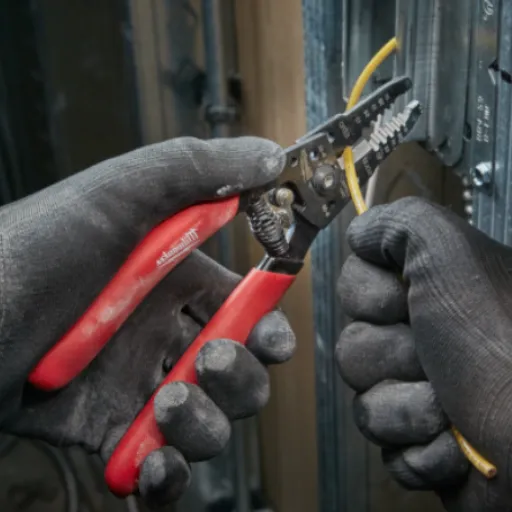
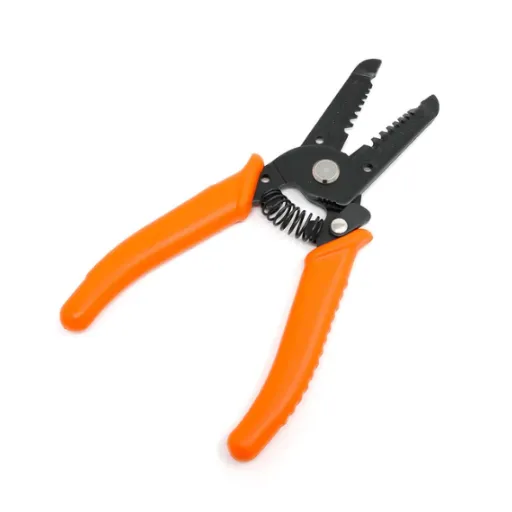
A wire stripper is a hand tool that removes the insulation or outer jacket from an electrical wire without damaging the metal conductor inside. Most models have a series of notched jaws, each sized for a specific wire gauge. You match the wire to the right notch, squeeze, and pull off the insulation.
This tool is essential for any job that involves connecting, repairing, or installing electrical wiring. A clean strip produces a solid connection. A nicked conductor, by contrast, can weaken over time and cause a connection to fail.
Wire strippers come in three main styles: manual, automatic, and multi-functional. The right choice depends on the volume of work and the type of wires you handle.
Types of Wire Strippers
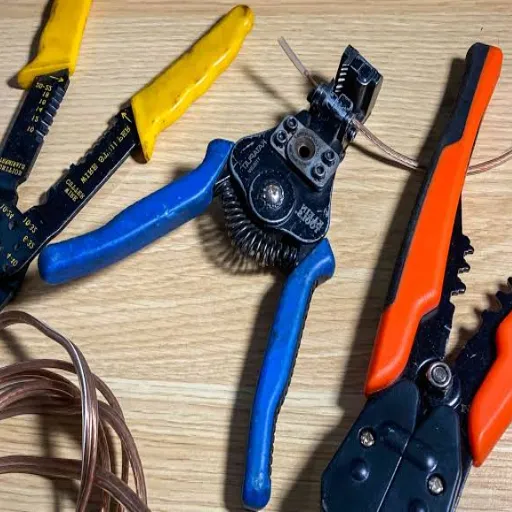
Manual Wire Strippers
Manual wire strippers are the most common type. They have a series of labeled notches in the jaws, one for each wire gauge. You place the wire in the matching notch, close the handles, and pull the insulation away.
These tools give you precise control. They work well for small jobs, for stripping a single wire, or when you need a specific strip length. Manual strippers are also easy to carry and usually the most affordable option.
Automatic Wire Strippers
Automatic wire strippers are self-adjusting. The jaws grip the wire and set the blade depth automatically, so you do not need to select a gauge notch. A single squeeze strips the insulation in one motion.
These tools are faster and less tiring on repetitive work. They are a good fit for high-volume jobs such as wiring panels, building harnesses, or stripping many wires in a production setting. Many models also include built-in cutters and crimpers.
Multi-Functional Wire Strippers
Multi-functional wire strippers combine stripping, cutting, and crimping in one tool. Some add wire looping and even a needle-nose tip for holding small parts. This keeps a full set of functions within arm’s reach, which is valuable when you work in a tight space or on a ladder.
The trade-off is that multi-function tools do each job well but rarely excel at any single one. For a professional who does a little of everything, they are a practical choice.
Main Features to Consider
When you compare wire strippers, focus on these features:
- Wire gauge range. Make sure the tool covers the sizes you use. Residential work typically needs 10-22 AWG. If you strip both solid and stranded wire, check that the notches or self-adjusting jaws handle both.
- Blade quality. High-carbon or hardened steel blades hold their edge and cut cleanly. Cheap blades dull quickly and crush insulation instead of cutting it.
- Insulation handling. Some tools struggle with tough insulation such as THHN, Teflon, or silicone. If you work with these materials, choose a tool designed for them.
- Comfort and grip. Soft, non-slip handles reduce hand fatigue on long jobs. Spring-loaded jaws are easier on the hand when you strip many wires in a row.
- Safety rating. For live electrical work, use insulated strippers rated for the voltage you work on. Check the rating stamped on the handle.
- Extra functions. Built-in cutters, crimpers, and sheath-removal notches add versatility. For NM and Romex cable, a dedicated sheath-removal notch is a real convenience.
For a broader look at plier designs and uses, see our guide on the different types of pliers.
Manual vs Automatic Wire Strippers
| Feature | Manual Wire Stripper | Automatic Wire Stripper |
|---|---|---|
| Speed | Slower, one wire at a time | Fast, one-motion strip |
| Gauge selection | Match notch to wire size | Self-adjusting |
| Control | High, precise | Good, but less tactile |
| Best for | Small jobs, fine wire, tight spaces | Repetitive, high-volume work |
| Price | Low | Moderate |
| Fatigue | More hand effort | Less hand effort |
Choose a manual wire stripper when you value precision and control. Choose an automatic wire stripper when speed and consistency matter more.
Solid vs Stranded Wire: What You Need to Know
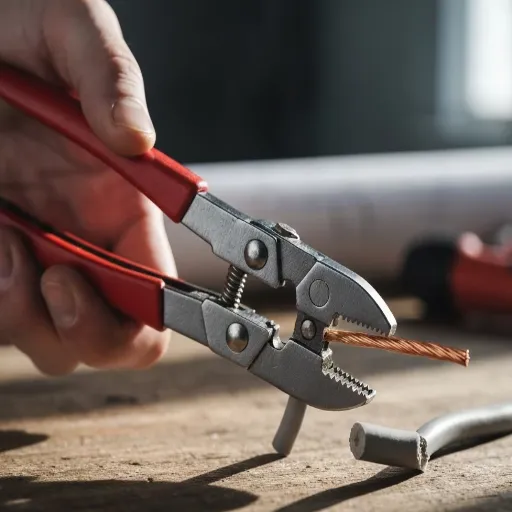
The type of wire you strip affects the tool you need.
Solid wire is a single, stiff conductor. It holds its shape well, which makes it a good choice for screw terminals and fixed installations. Solid wire strips cleanly in most notched strippers.
Stranded wire is made of many thin strands twisted together. It flexes easily and resists breaking from vibration, so it is common in appliances and vehicle wiring. Stranded wire needs a slightly larger notch than solid wire of the same gauge, because the strands spread out when the blades press on them.
If you work with both types, choose a wire stripper with notches or self-adjusting jaws that handle each correctly. A tool sized for solid wire can cut through the outer strands of stranded wire, which weakens the conductor and can cause a poor connection.
The Best Wire Strippers for Electricians
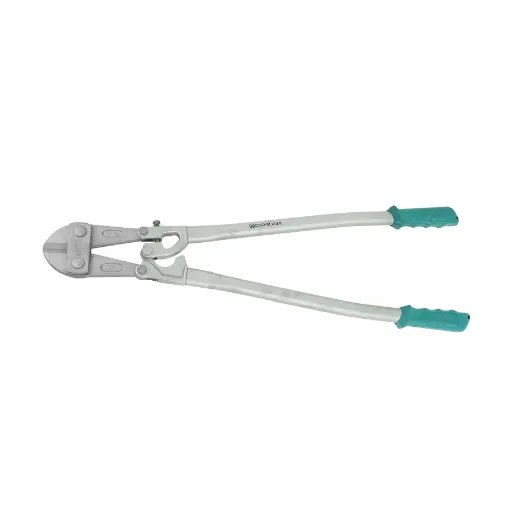
The products below represent the most reliable wire strippers for electricians across both manual and automatic styles. They are listed by type with the wire range each one covers.
Top Manual Wire Strippers
These manual wire strippers combine ergonomic design with reliable performance for everyday electrical work.
Klein Tools Wire Stripper and Cutter (11055)
The Klein 11055 strips solid wire from 10-18 AWG and stranded wire from 12-20 AWG. Its tension-loaded spring returns the handles smoothly, and the ergonomic grip keeps hands comfortable during long runs. The cutting blades are made of high-quality steel that holds up in demanding conditions. Best for: all-around general electrical work.
IRWIN VISE-GRIP Wire Stripper/Crimper/Cutter (2078309)
The IRWIN 2078309 combines stripping, cutting, and crimping in one compact tool. It works with 10-24 AWG wire and uses a self-adjusting design, so there is no need to line up a gauge notch by hand. The ProTouch grips reduce strain, which makes it a strong option for jobs that require both speed and control. Best for: one tool that strips, cuts, and crimps.
Capri Tools CP20011 Precision Wire Stripper
The Capri CP20011 is built for fine wire, covering 22-30 AWG. Its lightweight but sturdy frame suits delicate work in electronics and telecommunications. The precision-machined stripping holes deliver consistent results, and the small size lets you work comfortably in confined areas. Best for: fine electronics and delicate work.
| Manual Model | Wire Range | Key Strength |
|---|---|---|
| Klein Tools 11055 | 10-18 AWG solid, 12-20 AWG stranded | Durable steel, comfortable grip |
| IRWIN VISE-GRIP 2078309 | 10-24 AWG | Multi-function, self-adjusting |
| Capri CP20011 | 22-30 AWG | Precision fine-wire stripping |
Best Automatic Wire Strippers
The automatic wire strippers below are selected for speed, consistency, and ease of use on repetitive jobs.
Klein Tools 11069S Solar Auto Stripper
The Klein 11069S self-adjusts to wire from 8-20 AWG. It is built for solar photovoltaic and low-voltage work, with a spring-loaded jaw that strips in a single motion. The comfortable grip makes it easy to use all day. Best for: solar and low-voltage installations.
Greenlee 1935 Terminators
The Greenlee 1935 Terminators automatically adjust to 10-24 AWG solid and stranded wire. The spring-loaded mechanism strips insulation cleanly with one squeeze, which makes it popular for panel work and repetitive tasks on the job site. Best for: high-volume panel and job-site work.
Knipex NexStrip Multi Tool
The Knipex NexStrip uses self-adjusting jaws that grip gently, which helps prevent damage to the conductor. It strips a wide range of gauges and is known for smooth, precise action. The NexStrip is a favorite among electricians who value precision and clean results. Best for: precise, clean strips across many gauges.
| Automatic Model | Wire Range | Key Strength |
|---|---|---|
| Klein 11069S Solar | 8-20 AWG | Solar and low-voltage work |
| Greenlee 1935 Terminators | 10-24 AWG | One-motion, job-site speed |
| Knipex NexStrip | Multi-gauge | Gentle jaws, precision |
Comparing Commercial Options
When you compare wire strippers across brands, look at build quality, wire range, grip comfort, and the type of blades. Models with hardened steel blades cut cleanly and last longer. Models with hardened bypass steel handle plastic insulation well without tearing it.
Check that the tool matches the wire sizes you actually use. A stripper rated for 10-22 AWG covers most residential work. If you regularly strip conductors of 4 AWG and larger, standard manual strippers will not cut deep enough. Rotary strippers and bench-top automatic machines are built for that heavier work. They spin a blade around the cable to score the jacket evenly, then pull it off in one piece.
Ergonomics matter as much as the blade. A well-designed handle and non-slip grip reduce fatigue, so you can work longer without discomfort. Consider adjustable stripping depth and built-in cutters as useful extras.
A tool that combines these features at a fair price gives you the best value for both professional and occasional use.
If you strip very large conductors or need to strip cable insulation repeatedly, a wire cutters versus cable cutters comparison may also be a useful addition to your kit. Wire cutters and combination pliers are good companions for cutting and trimming after stripping.
How to Use a Wire Stripper
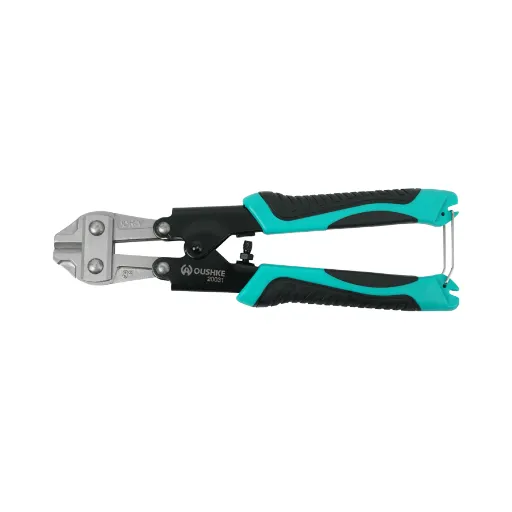
Using a wire stripper correctly comes down to five simple steps:
- Prepare the wire. Confirm the wire is unplugged and disconnected from any power source. Check the wire size so you can select the correct notch or setting.
- Adjust the tool. If your stripper has an adjustable stripping depth, set it to match the insulation thickness. This prevents the blade from cutting into the conductor.
- Position the wire. Place the wire in the correct gauge notch or let the automatic jaws grip it. Make sure it sits fully in the tool so the cut is even.
- Apply pressure and strip. Squeeze the handles firmly enough to cut through the insulation, then pull the insulation off gently. Do not press so hard that the blades bite into the copper.
- Inspect the wire. Check the stripped end for nicks, cuts, or leftover insulation. A clean strip makes a reliable connection. Repeat the process for each wire.
Common Stripping Mistakes to Avoid
- Using the wrong gauge setting. Too large a notch leaves insulation behind. Too small a notch cuts into the conductor and weakens the wire.
- Applying too much pressure. Over-tightening can nick or flatten the wire, which can cause problems later in the connection.
- Rushing the strip. Moving too quickly often produces uneven cuts and jagged insulation edges that interfere with a clean connection.
- Skipping the inspection. Failing to check the stripped wire can allow unnoticed damage to pass through and reduce electrical performance and safety.
Safety Tips for Electricians
- De-energize circuits first. Turn off the power and follow lockout/tagout procedures before starting maintenance or installation work.
- Wear personal protective equipment. Use insulated gloves and safety goggles suited to the task.
- Use insulated tools. Check that handles are in good condition and rated for the voltage you work on.
- Stay alert in damp areas. Moisture increases the risk of electric shock, so take extra care around water and humidity.
- Keep current with safety codes. Regular training and familiarity with standards such as NFPA 70E keep you and your team safe.
The OSHA hand and power tools safety guide provides further details on safe tool use.
Maintenance and Care
Cleaning Your Wire Stripper
Clean the tool after each use to keep it working well. Wipe the jaws with a soft brush or dry cloth to remove dust, debris, and wire residue. For stubborn grease, use a damp cloth with a mild soap solution, but do not let liquid enter the mechanism. Dry the tool completely afterward to prevent rust.
Check the blades and moving parts for wear or buildup from time to time. A drop of machine oil on the pivot points keeps the action smooth. Store the tool in a clean, dry place when it is not in use.
Sharpening and Repairing
Hone the cutting edges with a fine-grit diamond file or whetstone to keep them sharp. Maintain the original bevel angle and avoid over-sharpening, which can change the alignment of the tool.
When a tool needs repair, first identify the problem. Common issues include misaligned blades, worn springs, and damaged handles. Tighten loose screws and replace faulty parts with manufacturer-approved components. Always test the tool after sharpening or repair to confirm it operates correctly.
When to Replace Your Wire Stripper
Replace a wire stripper when it is no longer effective or safe to use. Signs that a tool has reached the end of its service life include:
- Blades so dull they crush the insulation instead of cutting it
- Rust, distortion, or other structural damage
- Misaligned cutting jaws
- Slippage during stripping
- Inconsistent tension
Worn tools can damage wire and create safety hazards, including short circuits. If your stripper lacks useful features such as adjustable gauges or a better grip, an upgrade is often worth the cost. Regular inspection and timely replacement keep your work accurate and safe.
Conclusion: Choosing the Right Wire Stripper
Evaluating Your Needs
Start with the wire types and sizes you use most. A professional who handles many sizes will want a versatile tool with adjustable settings. Consider whether you need precision stripping for fine wire or heavy-duty performance for large projects.
Think about your work environment and the safety features you need, such as insulated handles. Durability and comfort matter too, especially for tools used every day.
Budget Considerations
For occasional, light jobs, an affordable manual stripper covers the basics well. For regular or specialized work, invest in a higher-quality tool with better blades, ergonomics, and safety features. Check the warranty and read user reviews to gauge reliability before you buy.
Final Recommendations
- For general electrical work, the best wire stripper for electricians is a manual model such as the Klein 11055 or the IRWIN VISE-GRIP 2078309.
- For repetitive, high-volume jobs, choose an automatic model such as the Greenlee 1935 or the Knipex NexStrip.
- For fine electronics work, the Capri CP20011 delivers the precision you need.
If you are sourcing wire strippers for resale, a private-label line, or a procurement team, focus on blade quality, gauge range, and the right style for each application. For factory-direct wire strippers and custom hand tool solutions, contact Oushke to discuss specifications, packaging, and scalable production. You can also explore our custom hand tools for more on building your own product line. If you are new to importing, our hand tool import guide walks through the key steps and compliance requirements.
Frequently Asked Questions (FAQ)
Are Knipex pliers the best wire strippers for stripping cable insulation?
Knipex pliers are widely respected for cutting ability and longevity. Models such as the NexStrip use self-adjusting jaws that strip insulation without damaging the conductor. For heavy-duty work, look for ratchet or bolt-style models and check the grip ergonomics. Knipex tools cost more, but the build quality is why many professionals choose them.
What is the difference between manual and automatic wire strippers?
Manual wire strippers give tactile control and are ideal for delicate tasks such as making loops and matching a precise gauge. Automatic wire strippers are faster and less tiring for repetitive jobs. Manual tools suit small, careful jobs. Automatic tools suit high-volume work where speed and consistency matter.
What features should a wire stripper have for home electrical work?
For home electrical work, choose a wire stripper with clear AWG gauge markings, a comfortable handle, and a reliable cutter that can trim Romex and individual conductors. A crimper for insulated terminals is a useful extra. Make sure the tool handles both solid and stranded copper.
Can a wire stripper remove the sheath from Romex without damaging the conductors?
Yes, when you use the right tool. A stripper with an adjustable stripping depth or a self-adjusting design removes the outer jacket without cutting the copper inside. Many multi-functional models include a separate sheath-removal notch for Romex and NM cable. Work carefully and check the conductors after stripping.
Do needle-nose pliers have a purpose when you use a wire stripper?
Yes. Needle-nose pliers complement a wire stripper by making loops, positioning fine wires, and holding small components during termination. They do not strip insulation, but they finish the job the stripper starts. Many electricians keep both in one kit.