
Hand Tool Import: A Comprehensive Guide to Importing Power Tools and Ensuring Compliance
Importing hand tools and power tools can be a daunting yet rewarding endeavor, especially when sourced from international markets. Whether you’re a business owner looking to expand your product offerings or a DIY enthusiast seeking high-quality tools, navigating the import landscape requires careful planning and attention to regulations. This guide is designed to demystify the complexities of importing power tools while ensuring full compliance with trade laws and safety standards. From understanding import procedures to avoiding costly pitfalls, this article will equip you with the knowledge needed to streamline the process and make informed decisions.
Understanding the Import Process for Hand Tools
Step-by-Step Guide to Importing Tools
- Regulations and Requirements for Research: At the very beginning of importation, draw up the regulations for the tools you will be importing. All countries have different laws for trade, customs taxes, and safety rules. Will the tools be needing special permits, certifications, or labeling compliance? Reliable sources are customs websites and trade regulatory agencies.
- Supplier Selection and Product Detail Confirmation: Find a reputable supplier who has a good track record of delivering quality hand tools. Make sure the products fulfill the safety and quality standards of your country. To avoid potential issues at customs, ask for product specifications, certifications, and inspection reports.
- Total Costs Calculation: Total up the purchase price, shipping, insurance, import duties, taxes, and customs clearance fees to come up with the total cost. It is very important to know the full financial impact so that a good budget can be set up and unexpected expenses can be avoided during the import process.
- Shipping and Documentation: Along with your chosen supplier, form the shipping and logistics. Double-check that all documents are complete and accurate; the invoices, packing lists, bills of lading, and certificates of origin are necessary. Having incomplete or incorrect paperwork could cause customs to delay or fine you.
- Customs Clearance and Delivery Arrangement: When the shipment arrives, present the customs authorities with all the necessary documents for clearance. Quick responses to customs queries and tax and duty payments are required. After your goods have been cleared, organize their transportation to your warehouse or the final destination.
Importing tools will become an easier and faster process if you handle things this way, and besides that, you will be risking very little and compliant with regulations at all levels. A thorough and meticulous strategy is like having time and money in addition to a strong supply chain.
Key Considerations for Importing Power Tools
In exporting power tools, it is necessary to look at compliance with safety and quality standards of the country where the products will be sold. Different countries have their own requirements regarding electrical safety, performance, and labeling. Provide acceptance of certifications such as CE (for Europe) or UL (for the United States). Non-compliance can lead to monetary penalties, delays in shipment, or even not getting the shipment into the country.
Another major point is to pick the supplier correctly. Go for well-known manufacturers or distributors who have always been on top of delivering the best products. Do your homework by checking their certifications, financial health, and the reliability of their logistics. Trustworthy suppliers will be able to help you, however there will be fewer risks related to quality, and supply chain disruptions will be handled better.
Cost of imports is something that should be managed properly. You should not only consider the product price as it is but also add to it all extra expenses which would be transportation, customs duties, tariffs, and storage fees. In order to have no surprises, it is advisable to compute the total landed cost (TLC) prior to making any purchases. By having a good grasp of these costs along with the good negotiating skills for shipping, it is possible to keep the profit margin at a healthy level.
Understanding Customs Clearance for Hand Tools
Clearing customs for hand tools means making sure that imported or exported goods meet the rules of the receiving country. Usually, the process is accompanied by proper documentation like invoices, packing lists, and certificates of origin that would help confirm the tools’ value, origin, and type. Not giving right documents could mean a delay, fine, or even the goods being seized.
One of the most important points in the customs clearance process is the right classification of hand tools according to the Harmonized System (HS) codes. The tariffs, duties, and taxes that apply to the goods are decided by these codes. Making sure this step is done correctly not only saves from overpayment but also from penalties due to misclassification. It’s equally important to verify whether certain tools are classified as restricted which necessitates importers to get permits or approvals before bringing them in the country.
For an efficient process, engaging a customs broker is a definite recommendation. Customs brokers are professionals who know the rules inside out, and they will take care of the documentation and communication with the customs staff. Thus, the whole procedure will take less time and errors will be reduced. Besides, the market-specific customs requirements for hand tools should be researched, and the company should be updated on trade policy changes in order to have a smooth and hassle-free customs clearance.
Choosing the Right Suppliers for Hand Tool Imports
How to Customize Your Import Orders
The first step in effectively customizing my import orders is to clearly outline my requirements. The requirements consist of the materials, dimensions, design features, and all other distinctive attributes that I need for the hand tools. These specifications are to be shared in detail with the manufacturer, as they are the ones who will be making the tools. I think that even using for instance images, diagrams, or technical documents can reduce misunderstandings and make it clear what exactly my expectations are.
Then I will talk about the timing and the supplier’s ability to do the changes. Good communication is a must to assure that the alterations I am asking for do not go beyond their limits of production. It is also at this point that I will be asking for product samples or prototypes so that I will be able to test and verify that the custom changes are in line with my requirements. After doing the sample examination, any communication regarding alterations can be done to avoid larger issues in the production of the bulk.
Finally, I will not drop the issue of including every customization agreed upon in the contract or purchase agreement. The legal documentation of these details is the assurance of accountability on both parties. I also keep in touch frequently during the production process, asking for updates and pictures to keep track of the progress. By doing so, I can get a product that meets my exact requirements and also cut down on the chances of problems arising.
Evaluating Supplier Compliance and Quality Control
Supplier compliance and rigorous quality control are essential steps in any production or procurement process. Compliance with suppliers means checking whether the supplier meets legal requirements, moral practices, and industry standards. Issuing certifications, performing audits, and looking for conformity with environmental and labor laws are necessary steps to guarantee ethical and lawful production practices. This technique not only lessens the risks but also adds to the company’s good name as they are working with socially responsible partners.
On the contrary, the quality control is about making sure that the products are constantly up to the specifications and the standards that were set. Having in place a strong quality management process means that companies should make use of the key performance indicators (KPIs) to gauge the output of the suppliers and to spot the inconsistencies. For example, checking the rates of defects, carrying out random inspections, and asking for the detailed manufacturing reports are some of the ways to assess the quality of the product. Using advanced digital tools and data analytics allows for the tracking to be done in real-time and ensures that there is transparency in every supply chain step. This leads to the elimination of rework, reduction of production delays, and improvement of the overall efficiency.
The assessment of supplier compliance together with the application of modern data-driven methods produces a more comprehensive quality assurance framework. Google’s extensive collection of the most current industry-specific information can be a source of actionable insights, providing trends, competitor benchmarks, and recommendations for compliance best practices. Businesses that import such advanced resources into their supplier evaluations will not only be able to keep up but will also have the advantage of being ahead of their competitors in the market while their supply chain operates smoothly, ethically, and efficiently.
Logistics and Shipping of Hand Tools
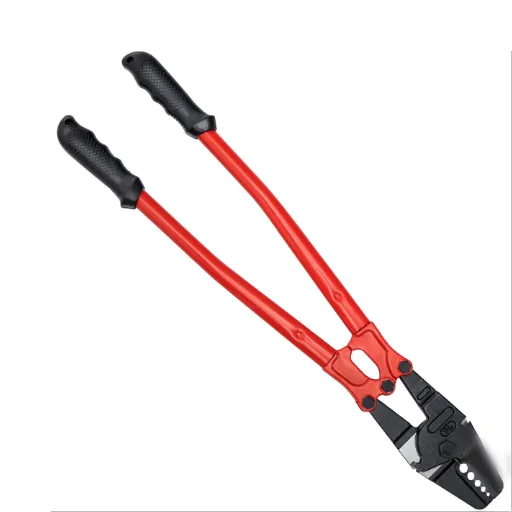
Best Practices for Shipping Power Tools
The process of shipping power tools is not only difficult and time-consuming but also requires strict adherence to industry standards and proper planning to guarantee delivery that is both safe and fast. To streamline the process, the following practices are recommended:
- Proper Packaging: The use of tough packaging materials is encouraged to keep power tools safe from damage during shipping. Also, if the addition of cushioning materials like foam or bubble wrap, it will absorb shocks and prevent the package from moving around.
- Labeling and Documentation: Make sure to label the package correctly and with the right handling instructions, such as “Fragile” or “This Side Up.” Along with the package, send all the documentation necessary like invoices, customs forms, and tracking information, so that compliance is ensured and delivery is smooth.
- Carrier Selection: Bring in strong carriers that are trustworthy and good at dealing with heavy or big items. Look into the comments about the carriers and pick those services that have tracking and insurance options as a safe measure.
- Compliance with Regulations: Regulations on shipping should be monitored continuously, particularly for shipments going out of the country, since power tools sometimes come with restrictions on their use due to batteries or being hazardous materials.
The combination of these practices with the utilization of Google search for timely information can help businesses in shipping processes which are faster, cheaper, safer and more compliant.
Managing Import Logistics Efficiently
The task of managing import logs is to be done efficiently and requires the weighing of the planning and taking advantage of modern tools to speed up the operation. Importers have to have a proper understanding of how the supply chain works and make sure that it fulfills the requirements of the product being delivered on time whilst being cost-effective. The companies can make the best import operation possible by the use of real-time data and strategizing. The areas to be optimized include shipping routes, container usage, and compliance with customs. Keeping in the loop with industry standards and breakthroughs is one way of getting the upper hand the competition.
This means that firms can make data-driven choices that prevent expensive delays and result in a better total shipping accuracy. The use of tools such as freight calculators and carrier comparison sites keeps the companies from losing money through the means of good quality. It is also necessary that the data is cross-checked with reliable sources to guarantee reliability and avoid outdated or biased outcomes from phrase-based searches.
Moreover, building up strong alliances with freight forwarders and carriers is very important when it comes to complexities of international trade. The above-mentioned partnerships, backed by in-depth analytics and a solid understanding of the market, will be of great assistance to the businesses in case of sudden disruptions or changes in regulations. Besides, monitoring KPIs like delivery times, shipment costs, and process accuracy enable companies to spot the weak points of their import strategies and make corresponding adjustments. The combination of data-driven and precise approaches makes the methods create a firm ground for logistical success in the long term, and thus, firms would be able to stay flexible and maintain less expensive operations in a tough global market.
Understanding the Costs of Shipping and Importing Tools
In fact, the shipping and importing tools costs can be really critical for the proper functioning of a company, greatly impacting its profitability. Often these costs include transportation fees, duties, taxes, insurance, and handling fees at the point of arrival. As an illustration, the international shipping of tools can involve paying port charges, tariffs according to the product category, and extra fees for faster delivery. By knowing the exact amount of every cost, companies will be in a better position to control their expenditures, find ways to reduce costs, and remain compliant with all the regulations.
Currency fluctuations are another crucial aspect of costing. The exchange rates can mean a lot as regards the price of the imported goods which may be the case that the imports get really expensive or unexpectedly cheap since it all depends on the market condition. For companies that manage to do the shipping across different regions, being aware of the foreign exchange trends and regulations is important to not experience any unexpected financial hardship. On top of that, the shipping methods chosen like air, sea, or rail freight can also differ in prices with each option having its pros and cons in terms of time and cost.
Lastly, keeping up with the changing trade regulations and policies is a must for companies in international trade. Sometimes regulatory changes, like hiking tariffs, or altering free trade agreements can create cost variations which need to be considered during importing. A combination of information through reliable and updated tools, along with strategic partnerships with freight forwarders or logistics experts, empowers companies to make timely decisions. A complete understanding of these factors will allow companies to develop the most efficient and cost-effective strategies for importing goods that will enable them to survive and even flourish in an increasingly interconnected world.
Quality Control and Inspection in Hand Tool Imports

Importance of Factory Audits for Tool Manufacturers
Factory audits are an essential process in the import of hand tools to guarantee their quality and reliability. The audits give the importers a detailed understanding of a manufacturer’s production abilities, quality control methods, and adherence to international regulations. By performing detailed factory checks, companies can spot and reduce the risks that are coming from such factors as the use of low-quality materials, poor production methods, and lack of necessary certifications. This step is of great importance when importing from less strict overseas markets where the standards might be quite different.
The first thing a factory audit focuses on is assessing the manufacturer’s quality management system. A strong system signals that the producer applies quality standards consistently all through the production cycle from the obtaining of raw materials to the delivery of the end product. Typically, the auditors will go through the documents, check the machinery, and observe the workers to make sure that the production process is according to the buyer’s requirements. A factory audit also uncovers the existence of any production delays or operational inefficiencies which, on the other hand, can be corrected before large-scale manufacture begins.
Factory audits not only focus on quality but also play a role in the guarantee of ethical and environmentally friendly production practices. Today, many companies list as their main priority the suppliers that do the right thing regarding labor, the environment, and trade, that is, comply with the respective laws and standards. Factory auditing for compliance with those values not only consolidates a brand’s image but also paves the way for socially responsible supply chains which are increasingly being demanded. By pairing these audits with the most recent industry insights, companies can still be ahead of the game and at the same time minimize risks and build strong, lasting relationships based on trust with their manufacturing partners.
Implementing Quality Control Measures
It is of utmost importance to carry out proper quality control measures because they guarantee products’ and customers’ satisfaction at minimum level. A good way to start is to set up guidelines for the product that are explicit and elaborate, thus, assuring that the partners understand the standards required completely. Quality checks should take place during the whole manufacturing process, from raw materials to finished products, so that problems can be detected and solved right away. One may employ methods like statistical process control (SPC) which is a tool that helps production by continuous collection and analysis of production data thus leading to fewer defects and less waste.
In addition to real-time monitoring of the production process, a good quality control strategy also means the establishment of feedback loops. Customer reviews, warranty claims, and market surveys data can all point out the areas that are needing improvement, thus allowing companies to upgrade their processes and products. Moreover, constant benchmarking of the quality metrics against those of the industry competitors will help to assure that the company’s reputation for quality will be strong. The regular training for factory staff and auditors is another critical part of the process, as it makes sure that the whole team is aware of the compliance and the best practices that are current in the industry.
The combination of quality control and the latest technological advancements like machine learning and artificial intelligence tools will allow companies to have a more efficient monitoring and predictive analysis of the production. The technologies can effectively handle large volumes of data, spotting trends and hazards that traditional techniques may miss. This kind of prescience not only cuts down on expensive mistakes but also guarantees that the products are in line with the constantly changing market needs. The bottom line is that a commitment to rigorous quality control is a way to build consumer confidence, increase brand loyalty, and support the company’s long-term success.
Ensuring Reliability Through Inspection Processes
Processes of inspection are considering highly crucial in the reliability and functionality assurance of products in all the industries. The identification and resolving of defects or inconsistencies by the businesses can be done before the products are delivered to the customers, with the help of the strict inspection protocols enforced. Thus, this preventive methodology very much reduces the possibility of failure of the products, keeps the safety standards, and, last but not least, gives integrity to a company’s brand. Inspections of all types—manual and automated—are critical in the detection of problems at different stages of the production process so that only the best products go to the consumers.
With the introduction of cutting-edge technologies, along the lines of machine vision systems and artificial intelligence (AI), the classical inspection methods have been changed forever. AI applications can analyze even the smallest details at very quick rates, tell similar features, and find oddities with incredible accuracy, also in the case of high-speed production settings. Machines that can ‘see’ (vision systems) are made up of cameras and sensors that monitor continuous products in real-time respect to their dimensions, color, and surface quality with incredible accuracy. Such devices not only eliminate the need for manual inspection but also maintain uniformity for large amounts of production, thereby resulting in the saving of time, and costs in the long run.
In addition, the inspection processes, along with robust data analytics, empower companies to foresee and avert possible problems. Through the scrutiny of their historical inspection data, the companies can spotlight the defects or patterns that need to be worked upon, and thus they can undertake the right actions and reap the benefits of better production efficiency as a whole. Predictive analytics helps the company in being proactive and in taking care of any risk related to supply chains or sales that may arise in the future. When inspection systems are combined with these state-of-the-art technologies and strategies, organizations can attain reliability like never before, thus gaining consumer trust and contributing to the growth of the business in competitive markets.
Trends and Opportunities in the Hand Tool Market

Emerging Trends in Power Tools Importation
Innovations and altering consumer preferences are the primary factors driving the power tools market which is changing continuously. One of the main developments is the fast-growing acceptance of cordless power tools, which is due to the improvements in battery technology that have made the tools last longer and be more easily transported. At the same time, there is an increase in demand for energy-saving and eco-friendly tools as consumers and businesses put sustainability at the top of their lists.
Global import patterns of tools point to a growing general preference for smart instruments with IoT (Internet of Things) capabilities that can be easily incorporated into manufacturing and construction processes. Growing cities in developing countries have also led to higher importation of cheap, multi-purpose power tools that meet different project requirements. What is more, online shopping has become one of the most important ways for both small and large-scale importers to get high-quality, innovative products quickly and easily.
The comprehension of these trends offers not only the market dynamics but also the opportunities for the business to change their strategies, to be in the same line with the customer preferences and to take the advantage of the new technology in the sector.
Exploring Opportunities for Continuous Improvement
Every industry has to go through a carefully planned out implementation of innovation, adaptability, and great market knowledge to reach the point of continuous improvement. At the same time, the businesses are going to have to look for ways that are less time-consuming and more efficient in their operations and distribution. The means to do this could include the adoption of lean principles, the use of modern technologies like AI and machine learning, and having an open culture among the innovative teams. While identifying the gaps and bottlenecks in a systematic way, the firms can take their time to make targeted improvements that will raise their total productivity as well as lower their costs.
The use of data plays a critical part in the identification of the areas for improvement. The use of advanced analytics, the firms will be able to take data-driven decisions, control performance measurements, and even foretell future trends. For instance, the supply chain managers can use predictive analytics to foresee and unblock issues making it easier for the business to flow. In addition, knowing what the customers want through detailed data analysis allows companies to rightly choose what to produce and even how to market it to the customers. Such applications when coupled with modern technology results in an increasingly agile and durable business model that not only survives but also flourishes in a competitive setting.
Moreover, one must be prepared to always have the market trends right at one’s finger-tips through most reliable and current information. Such practice not only provides companies with insights that can be readily acted on but also supports instantaneous changes to be made so as to be in harmony with the market dynamics. In a nutshell, the quest for continuous improvement is going to take a mix of creative thought, data use, and proactive market analysis in order to guarantee the long-run success and sustainability of the business.
References
-
University of California, San Diego – International Shipments: Provides information on regulations for transporting equipment and materials internationally, including hand tools.
-
U.S. International Trade Commission (USITC): Covers investigations and trade details related to heavy forged hand tools from China.
-
U.S. Customs and Border Protection (CBP): Provides an overview of hand tools classified in Chapter 82, including import and export tips.
- Click here to read more.
Frequently Asked Questions (FAQ)
Q: What are the first steps to start a hand tool import business for hand tools and power tools?
A: The first thing you need to do is to identify the right sources of supply for hand tools or a tool manufacturer on e-commerce sites such as Alibaba or at trade fairs and through LinkedIn networking. Get samples for testing, certificates (CE, UL, certificate of origin) and necessary documents like commercial invoice and bill of lading. Perform a factory audit or third-party inspection, establish logistics, payment terms, and customs clearance, and you will be ensuring a smooth, profitable entry into the b2b market.
Q: How do I select the right tools to import — drills, wrenches, pliers or saws?
A: It is preferable to choose products based on local market demand, pricing and compliance. Before importing drills, saws, grinders, and power tools with battery packs, confirm certification and use of safe packaging. In the case of hand tools like wrench, plier, and knife, focus on high quality and durability, and test the tools as samples.
Q: What documents and certifications are required for a hand tool import into the U. S.?
A: While importing hand tools, the necessary documents generally include a commercial invoice, packing list, bill of lading or airway bill, certificate of origin and any product certificates (CE, UL) or industry-specific certifications. For power tools and battery-operated items, U. S. customs clearance and compliance standards may require additional declarations or testing to avoid penalty or delay.
Q: How can I ensure quality control (QC) and avoid defective shipments when importing tools?
A: Start a QC plan with pre-shipment inspection, third-party inspection, factory audit and ongoing sampling. Test the tools for specification compliance and durability, check packaging and labelling, and verify certificates. Use continuous improvement feedback from customer service and local market users in order to lower defect rates and ensure high quality for wholesale or retail distribution.
Q: What logistics and shipping considerations should an importer of hand tools know?
A: Take into account the commercial invoice and bill of lading, customs and taxes, and the potential for delayed power tool shipments due to packaging, labelling and battery shipping regulations. The choice of an experienced freight forwarder for importing tools will cover timely delivery and minimize delays.
Q: What compliance and customs risks exist when importing power tools and hand tools, and how to mitigate them?
A: The risks entail non-compliant certifications, improper documentation, defective or unsafe batteries, and misclassification causing penalties. One can mitigate by acquiring CE/UL or other required certificates, issuing accurate commercial invoices, using correct HS codes, conducting third-party testing, and cooperating with customs brokers for clearance. It is advisable to constantly review and update compliance procedures in line with the specific requirements of your target market.
Q: How do payment terms, pricing and profitability work in hand tool import and wholesale distribution?
A: Agree on payment terms (L/C, T/T, or net terms) with suppliers, consider production cost, sample and inspection costs, shipping, duties and local distribution costs. Provide discounts for big orders to wholesalers and b2b buyers and be careful with margins as they should be high enough to cover the cost of sourcing. Good supplier relationships and efficient logistics improve cash flow and reduce total landed costs.