

Best Hand Tools for HVAC Technicians: Essential Tools
In the HVAC business, the proper tools can literally be the difference between doing a perfect job and experiencing a very bad day on the working site. The HVAC tradesmen use a wide selection of hand tools to help with everything from simple maintenance through to very complicated system repairs. Because of that, it can be quite daunting to learn the tools that are absolutely necessary, especially for beginners or those who want to change their tool kit. This piece of writing will present a listing of the hand tools that are a must for all HVAC specialists, thus helping you create a dependable and effective toolbox that gets you ready for any obstacle in the field. Whether you are just starting off or you are already a veteran, this manual will make sure that you can deal with your next service call with no doubt at all.
Introduction to HVAC Tools
The Importance of Having the Right Tools for HVAC Work
The right tools for HVAC work are essential for productivity, safety, and accuracy. The proper tools make it possible for technicians to get straight to the root of the problem and carry out a repair or installation without wasting time. If the wrong tools are shared, even simple works can turn into troublesome and unintelligent tasks, thus increasing the chances of complications or even total failures of the system.
Apart from efficiency, the safety it gives is another major reason why one should spend money on proper HVAC tools Safety. The HVAC field usually has to deal with high-voltage systems, pressurized machines, and toxic materials. Tools that are specially made for these risky situations help reduce the associated dangers and protect the technician as well as the machine that is being serviced. A good quality multimeter, for instance, is a must for testing electrical components safely, and specialized gauges are needed to avoid damage when working with refrigerants.
In conclusion, the use of correct tools besides the professional look it gives enhances customer satisfaction as well. When technicians come armed with the right tools, they can easily do the job quickly, hence fewer callbacks and more trust from clients. Having a complete toolbox of the best quality tools not only leads to higher job performance but also opens up overall career growth in the HVAC field.
Overview of Essential HVAC Tools
To perform HVAC work efficiently, multiple and various tools are essential. Each one has a specific purpose for the whole cycle of installing, maintaining, and repairing the HVAC systems. Hand tools, diagnostic devices, and safety gear are few of the most critical items. With these devices, technicians can accomplish their work with precision and safety, thus, promoting the maximum performance and trustworthiness of the systems.
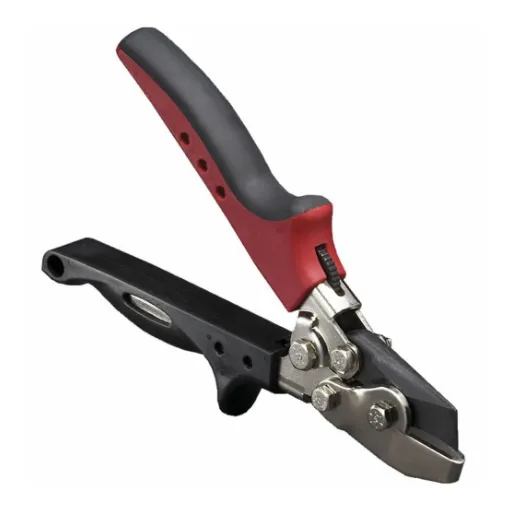
The prime hand tools, screwdrivers, pliers, and wrenches, are the basics of every HVAC tool kit. They are used for general activities like fastening, adjusting, and piping or ducting. Besides these, some special tools like tubing cutters and flaring tools are required to prepare refrigerant lines and connect them. On the other hand, for the ductwork, there are some special tools like tin snips and crimpers that are very much needed for cutting and shaping the sheet metal.
Just like the tools are needed, diagnostic tools that come with the same importance are used to identify problems and check if the systems are working properly. The manifold gauges are there to determine the refrigerant pressure and at the same time, the thermometers and psychrometers are used to measure the temperature and humidity levels. For the electrical systems, the multimeters are indispensable measuring devices for voltage, current, and resistance. Protective equipment for technicians should always include gloves, safety glasses, and masks as those items will help them avoid injuries and protect themselves from the dangerous materials.
When all necessary HVAC tools are collected, the technicians are empowered with the capability of facing the multitude of challenges which then leads to the attainment of professional results and the prolonging of HVAC systems lifetime.
How Tools Impact Efficiency and Accuracy
The quality and availability of tools play a major role in the efficiency of a technician to complete the task. The time needed for diagnostics and problem-solving is considerably less when tools specifically for HVAC systems are used. For instance, digital multimeters and refrigerant gauges give the quickest accurate measurements thereby reducing the guesswork and assuring accurate results.
Moreover, accurate tools lead to the HVAC work being more reliable. The perfect functioning of the HVAC systems is determined by proper measurements and adjustments which are done accurately each time thus eliminating the risk of breakdowns. Use of advanced diagnostic tools by technicians makes it possible for them to find even the hidden problems and thus the whole process is quicker preventing costly repair bills later on.
Right tools, however, at the same time make a technician’s working in a difficult area safe and effective. In a way, proper functioning tools are the least frequent source of mistakes while ergonomic designs are the ones that help to avoid physical strain during long time users. Aesthetic, high-quality, and task-specific tools are the investments that enable technicians to produce consistent and professional results, afterwards, boosting customer satisfaction and system performance in general.
Essential HVAC Tools for Technicians
Basic Hand Tools Every HVAC Technician Should Have
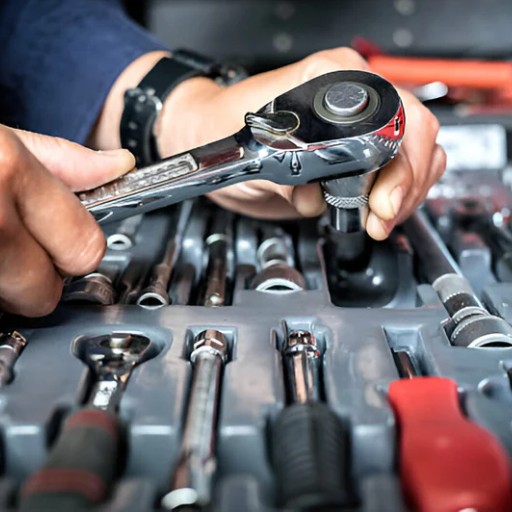
HVAC technicians have the use of basic hand tools which they rely upon a lot to work in an efficient manner. Among these necessary tools, screwdrivers of different sizes and types like flathead and Phillips are very important as they are used for either removing or securing screws in HVAC units. Pliers, which are available in various types, like needle-nose and locking, help the technicians to hold, reshape or cut off the wires and small parts. A trustworthy collection of wrenches, especially adjustable or socket, gives the technician the versatility to tighten or loosen fasteners of various widths. All these tools mentioned are the main tools for an HVAC technician and are nearly always there for service calls.
Next in priority comes the tool which is very important and that is wire strippers and cutters. These tools help the technicians to work with electrical connections when HVAC systems are involved and thus they would have to cut the wires first by removing the insulation from the wire or cutting it to the right length. The measures taken and the levels used also count as the main tools which enable the technician to ensure proper alignment and positioning of the components that have been mentioned such as ducts, units, and vents. These tools not only guarantee functional efficiency but also enhance the professional appearance of finished installations. Moreover, cutting insulation, tape, or other materials during maintenance and repair works is the task for which scissors might be considered as the best cutting tool.
In addition to these basics, every technician should always have a reliable source of light, which can be either a flashlight or, better yet, a headlamp, especially when working in poorly lit areas like attics, basements, or small spaces. The light provided in such situations enhances not only the accuracy of the work done but also the safety of the workers during possibly difficult and dangerous tasks. The tool bag or case for the hand tools should not only be durable but also be the one that keeps all the tools organized and protected so that they can be accessed quickly when needed. Providing themselves with these essential hand tools, HVAC professionals have laid down a very good foundation for skillfully and the professionally tackling of any challenges that emerge in their fieldwork.
Specialty HVAC Tools for Advanced Tasks
Specialty tools are the backbone of HVAC technicians when it comes to carrying out the most complicated or super specific tasks in the field. These tools are specifically made to speed up the whole diagnostic and repair processes thus saving time at the same time not compromising on accuracy. The refrigerant recovery machine is one such tool which is very important for safely taking out and keeping the refrigerants during the system’s repairs or maintenance. A quality vacuum pump together with these machines guarantee that the technicians can operate up to EPA standards and also keep the environment safe. Advanced manifold gauges with digital displays give accurate readings of pressure and measurements of temperature that are critical for system efficiency optimization.
Another category of specialty HVAC equipment is leak detection. Electronic leak detectors are able to locate refrigerant leaks that are so small that the technicians can only identify and fix them before they turn into major problems. UV dye detection kits are also reliable solutions especially when visual confirmation of a leak is needed. It is a good practice to invest in high-quality detection tools because they not only perform better but also make the customers happy by avoiding the problems of recurrence.
Inaccurate flow measurement and system balancing require the use of tools like anemometers and manometers that are highly accurate. These devices aid in the tuning of HVAC systems for peak performance and energy-saving. Also, thermal imaging cameras are gaining acceptance as they confirm the presence of the unconditioned air or the lack of proper insulation. HVAC technicians could manage to offer a wider range of diagnostics and repairs thus building their expertise and reputation in the industry by using these advanced tools. Having these specialty tools in your tool kit will not only enhance the flow of work but also assure that even technologically advanced tasks are performed with remarkable results.
Power Tools that Enhance HVAC Service
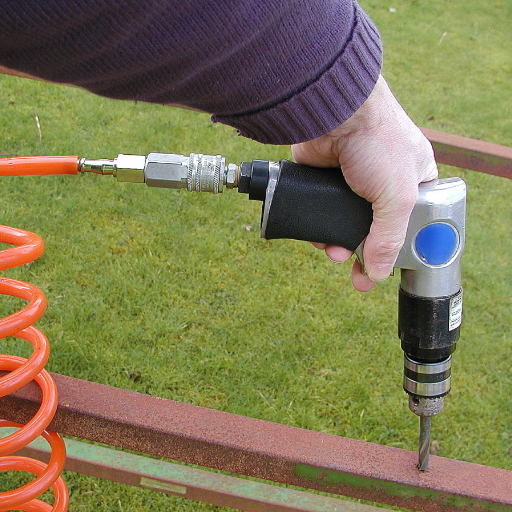
HVAC services demand precision and efficiency, and utilizing the right power tools can significantly improve the standard and speed of your work. One of the most important hand tools among them is the cordless drill, which is a must-have for several operations such as mounting brackets, drilling holes, and assembling parts. Now, cordless drills come with variable speed control and long-life battery packs that enable the HVAC pros to work without the hassle of changing the batteries frequently. Also, drill kits generally come with various attachments, making them multipurpose for various installations and repairs.
Reciprocating saws have become another highly coveted tool for HVAC professionals. This versatile saw can easily cut through different kinds of materials like PVC pipes, sheet metal, and even wood, all of which are commonly found during HVAC system installations or upgrades. Good-quality reciprocating saws typically come with speed adjustment and ergonomic designs, which help in minimizing fatigue during use for a long time. Moreover, technicians can get cleaner cuts as well as lower chances of affecting the surrounding parts if they use strong saw blades that are specific to the materials.
The use of portable vacuum pumps has, no doubt, become standard practice, particularly in maintenance and refrigerant management. These devices play an important role in HVAC lines by removing air, moisture, and contaminants to secure good system performance and to avert events of corrosion or freezing. The portable vacuum pumps of today are easy to carry, silent, and dependable, plus they have sophistication such as dual-stage operation that guarantees superior results. Their use is vital not just in making sure that HVAC units work up to the mark, but also in confirming environmental compliance, which all point to the need for investing in quality power tools for the long haul.
Choosing the Right HVAC Tools
Setting a Budget for Your HVAC Toolkit
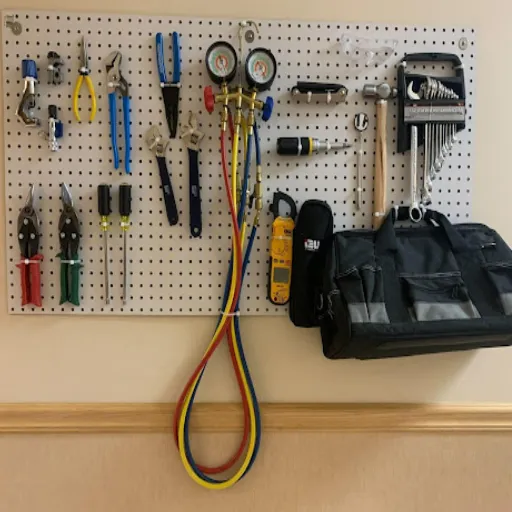
The first thing that needs to be done is to set up a budget for HVAC tools, which is an important step in getting the right tools for efficient and reliable service. The secret to budgeting is knowing how to balance quality against price. Buying top-notch tools may be considered a lot of initial outlay, yet it is very often the case that it pays off in the end through fewer replacements and repairs as a result. Think of your budget as being made up of the necessary tools like gauges, leak detectors, and wrenches, and a different part set aside for advanced tools that improve diagnosing the good. You can be selective and wise and still have your toolkit working with you efficiently without passing your financial limits.
Another budgeting point that is not to be overlooked is knowing the prices and product updates. Keeping track of the information provided by websites like Google is one way to make the most out of the then best tools that fit not only your budget but also the most durable and functional. Reading product reviews, ratings, and user feedback can reveal a lot about the performance of tools and their usage in tough conditions. Moreover, if you are aware of the manufacturers’ promotions or the off-seasons sales, then you can get the high-end equipment at lower prices, thus making your investment more efficient.
Lastly, when creating your budget, always keep future needs in consideration. The HVAC sector is never stagnant, with tech upgrades constantly going through the cycle from creating a better product to becoming a standard tool. Setting aside a portion of your budget for the upgrading or replacing of non-competitive equipment is a direct way of maintaining your market position. With the combination of smart budgeting and up-to-date information, you will be able to put together a comprehensive and cost-effective toolkit that will most certainly help you in your professions and at the same time not be a source of unnecessary expenses.
How to Streamline Your Workflow with the Right Tools
The process of streamlining the workflow with proper tools begins with getting to know the primary requirements and current limitations in your workflow. Start with evaluating your daily tasks in the most detailed way possible to spot the places where the deployment of specialized tools or automation can smooth the work and improve the overall effectiveness. Tools are available to make data entry, communication, and project management, etc. less time-consuming and more accurate by taking out the human factor.
Using tools that fit perfectly with your current situation is one more important thing to do. A set of disconnected tools usually gives rise to the same inefficiencies and problems in the flow of work rather than solving them. So, search for the providers that offer not only built-in integrations but also APIs that work with the software that you are already using. By creating a unified tech stack, you can cut down on the overlap in functions and shift your attention to the essential goals.
Finally, it is necessary to keep track of new developments and innovations at all times. The tech world changes very fast, and if you are using old tools, your workflow will also be hindered. Carrying out research on a regular basis is the only way to keep learning about new technologies and the best practices that are in place. Participating in webinars related to your industry, checking product reviews, and subscribing to tech blogs or news sites that are reliable can provide you with valuable information. The above-mentioned proactive approach will allow you to spot the best solutions for your particular requirements that are also in line with the tech trends and that your workflow will be able to cope with the requirements changes.
Budget-Friendly vs. Premium HVAC Tools
Understanding the Value of Premium Tools
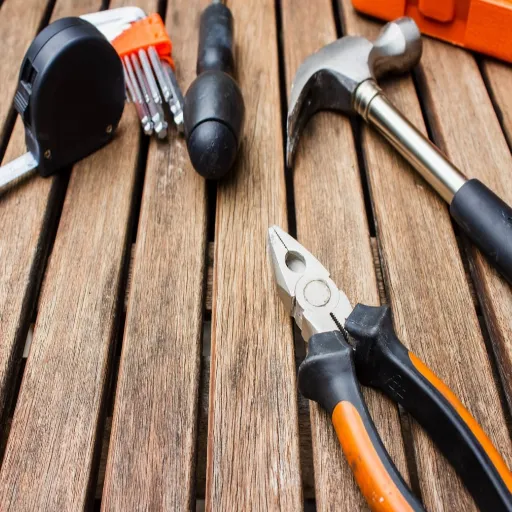
Utilizing top-notch HVAC instruments can drastically upon the efficiency, precision, and overall quality of one’s work. These instruments have more often than not been made with up-to-date technologies and innovations to support professionals in their struggles with very demanding industry standards. The initial investment in these tools may be more than that of their cheaper counterparts but in most cases, the long-term benefits make the initial expenditure worthwhile. For example, one of the reasons is that premium tools usually last longer and require lesser replacements, hence money is saved in the long run.
The premium quality tools have a major advantage of consistent and dependable performance. This consistency does not only help in maintaining the quality of the work done but also in occasionally keeping the professionals working faster since they will not have to be waiting for the faults to be fixed. Plus, the advanced tools really do come with more features like digital diagnostics, wireless capabilities, and more comfortable designs that make the jobs less tedious and less demanding. Not only do these features enhance productivity but they also significantly lower the risk of mistakes occurring thus increasing customer’s contentment.
Moreover, alongside the tool support and warranty, one should also take into account the expenses that will be incurred from using sub-par HVAC tools. Most of the time requested by an emerging tool supplier is non-existing in the case of a different kind of brand. This means that if a tool purchased as a budget-friendly one dies or becomes unserviceable, the contractor might have to go back to the market again until he gets one that is of good quality or premium. Whereas with the premium, the warranty is usually five years or more and in the case of a breakdown, the customer receives a new one. In addition to that, the premium manufacturer has a guarantee of no less than two years warranty on the tool replacement. Whereas the budget-friendly tools usually last for less than one hour of work.
When to Opt for Budget-Friendly Options
When I am dealing with smaller and less demanding tasks that do not need high-end tools, I regularly go for budget-friendly tools. For instance, a project that has a limited scope or is required just once often does not justify the expense of premium tools. In such instances, choosing cheaper options allows me to keep within the budget and still deliver the work effectively.
Another situation when I go for budget-friendly tools is when I experiment with new techniques or concepts. Testing a new tool or a process does not always need the most expensive solution as such. By beginning with the least costly, I can carry out my experiments and learn without tying up a large amount of money. When I am sure about the technique or the workflow, I may then think about buying the more expensive gear.
I also consider budget-friendly alternatives as a good option when I need a short-term or temporary solution. If a particular tool is only to be used for a short time, then it is logical to use a less expensive version. By doing this, I ensure that my resources are not being wasted unnecessarily, while still being able to keep up productivity, especially when the performance or life span of the tool is not a very important factor for the job in hand.
Making Informed Decisions for Your HVAC Business
To run an HVAC business well, it is necessary to mix financial caution with good investment. One of the main points to pay attention to is to buy first-rate tools and equipment that will not only improve the performance but also give long-term benefits. Even though high-quality equipment may have a more expensive initial cost, it typically turns out to be a cost-saving option because of its longevity and performance. Besides, when you buy top-notch tools, service outcomes are getting better leading to more customer satisfaction, less maintenance costs, and fewer interruptions. It is always better to have a clear distinction between the inexpensive and the premium options if you need such a business and want to achieve your goals.
Moreover, one other major contributor to the proper decision-making process is keeping up with technological changes in the sector. The HVAC market is constantly changing, the changes being mainly in the direction of energy saving, smart system linking, and ecologically friendly solutions. Modern tools such as advanced HVAC software or energy efficiency calculators can be really helpful by making business operations smoother, coming up with performance metrics, and providing clients with excellent services. Using present-day technology to back your decisions not only enhances output but also makes your business viewed as one that is progressive and trustworthy in a competitive market.
Finally, tapping into real-time data and analytics can be the key for HVAC business owners to arrive at well-informed decisions. Applications and platforms that feature data display, job monitoring, and customer feedback assessment are great sources of information for business strategy optimization. For example, a company can identify and prepare for future demand of a certain season by tracking past seasonal service demand trends and designing appropriate advertising campaigns. Your business will be well-equipped to smoothly navigate through challenges and capture opportunities efficiently by combining analytics tools and credible market data, thereby securing its growth and profit in a fast-changing market scenario.
Maintaining Your HVAC Tools
Best Practices for Tool Maintenance
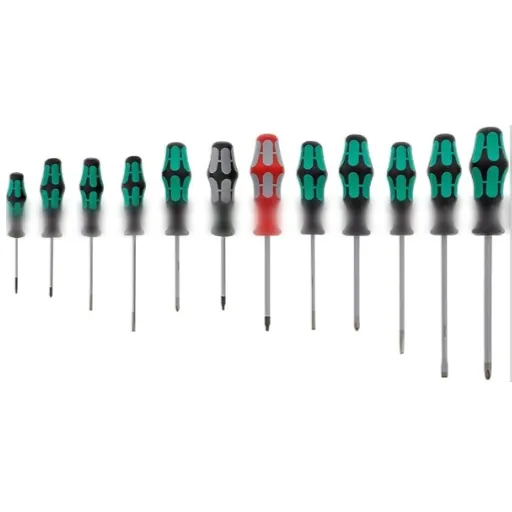
HVAC tools maintenance plays a crucial role in the determination of their longevity, accuracy, and efficiency. First off, if you are cleaning your tools regularly, doing it after each use, dirt, and other residues that could hinder their functionality will not be a problem. An example would be that vacuum and manifold gauges might get contaminated or corrode unless they are wiped and kept in warm and dry places. On top of that, try not to leave your tools in extremely hot or humid places, as this will cause them to gradually wear out.
Periodic inspection and calibration are other important factors in tool maintenance. Thermometers, pressure gauges, and leak detectors are tools that may lose accuracy over time if calibration is not done correctly. The quality of HVAC system diagnostic service will mainly depend on the accuracy of readings provided by these tools, which is the reason for performing testing and adjusting them as often as possible. Maintaining an inspection log will be helpful in monitoring when calibration is required, thus cutting the chances of making an error in the course of maintenance or installation.
The last point to consider is investing in protective cases or storage systems for your tools. The labeling of the storage can help to keep the delicate equipment from getting damaged and will also, when done, allow you to locate the exact tools that you need very quickly for any job. It is very important to check frequently for issues such as worn-out parts, like frayed wires or damaged connectors, and to take immediate action by replacing them to avoid any negative impact on the performance of the tools. By marrying these maintenance procedures with the knowledge of the most recent HVAC technologies and trends, you can not only prolong the life of your equipment but also improve your service quality.
How to Ensure Longevity and Reliability
The first step to longevity and dependability of HVAC tools and equipment is by performing proper routine maintenance. Keep tools clean at all times to ensure that dust and dirt do not accumulate, thus affecting the tools’ efficiency and life span. Follow manufacturer’s instructions on lubrication of moving parts to lessen the impact of friction, and keep tools in dry, temperature-controlled rooms to avoid damage caused by moisture. These practices not only prevent unexpected breakdowns but also improve your tools’ accuracy and performance.
Another necessary factor is the occurrence of calibration and testing at the right moment. When the HVAC equipment is calibrated often, it is sure to run at the best possible level with the accuracy of the measurements and diagnostics maintained. Professional testing can even detect the problems that are not easily noticed which can later on lead to expensive repairs or replacements. It is well that you have premium quality spare parts when this is the case and hiring certified professionals to repair will assure the good service of the equipment even for many more years.
Moreover, keeping yourself informed about the latest trends and innovations in the field can really help a lot in making your HVAC tools very reliable. For instance, the smart diagnostic tools and energy-efficient devices are the new developments that would make technicians perform their work with more precision and speed. The seminars, certifications, and online resources are some of the ways continuous learning that could be your means of having the new technology adaptation, which would not only boost the reliability of the equipment but also make your services competitive. You can be sure of the longevity and reliability of your HVAC tools and systems by mixing the highest level of maintenance with that of being informed about the latest developments.
Common Mistakes to Avoid in Tool Care
In the tools’ case proper care and maintenance, however, there are several common pitfalls that can considerably affect their performance and lifespan. One of the most frequent mistakes is the lack of regular cleaning performed. HVAC tools are often involved directly with dirt, grease, and other such things, which in the end, if not removed, can even damage the tool or make it less efficient. Failing to store tools in the right conditions is another major issue. Moisture, extreme heat or cold, and rough handling will cause the tools to rust, get corroded or suffer from physical wear and tear.
In addition, a very common mistake is using tools for different purposes than intended, which will definitely shorten the tool life or lower its accuracy. For instance, using adjustable wrenches instead of the right-sized tool may result in stripping or damage. Another common error is ignoring the manufacturer’s calibration and maintenance guidelines, which could make precision-focused tools unreliable.
It is very important to always be informed about the tools’ best care practices, because the new technology might involve using new materials or have specialized components. These updates necessitate that the professionals are proactive in following the manufacturers’ recommendations that the tools be effective for a long time. Constantly keeping away from these errors is the key factor in the reliability maintenance, performance improvement, and critical HVAC equipment lifespan extension.
References
-
Smart Diagnostic Tools for HVAC – U.S. Department of Energy
This document discusses the importance of smart diagnostic tools for ensuring proper HVAC system installations and performance. - Click here to read more.
Frequently Asked Questions (FAQ)
Q: What HVAC tools are the best for the first newcomers in the HVAC field?
A: A technician’s best hvac tools in new hvac careers are a tape measure, a wrench set with crescent and pipe wrenches, screwdrivers in various sizes, nut drivers for reliable hand and power tools. Also a hand-seamer, copper tubing benders, and a quality manifold gauge for refrigeration work are helping every technician handling various HVAC jobs.
Q: What the HVAC personnel should always have for solving the air conditioning and ventilation problems?
A: The hvac technicians need digital multimeter, clamp meter, refrigerant leak detector, manifold gauges, and airflow measuring tools to troubleshoot air conditioning and ventilation issues efficiently and safely. On the other hand, software tools or field service app can help with diagnostics and recordkeeping while specialized hvac tools like a micron vacuum pump and brazing kit will support refrigerant system repairs and tubing work.
Q: How the provision of a complete hand and power tools set increases the safety of HVAC contractors working on sites?
A: A complete set guarantees that the job will be safe due to the presence of insulated screwdrivers, fixed and adjustable wrenches, ear muffs or plugs, gloves for the hands, and eye protection. Good-quality tools will not force the hvac techs to develop their own ways of working, thus they will be able to work in a more safe manner even in confined places and on rooftops and at the same time deliver a high standard of service with a minimized risk of injuries.
Q: What unique HVAC instruments are required for carrying out refrigeration and piping tasks?
A: To conduct the list of essential hvac tools for refrigeration and copper tubing includes brazing equipment, copper tubing cutters and benders, flare tools, a vacuum pump, and manifold gauges. These specialized hvac tools can assure that the connections done are correct, the systems are leak-free, and the evacuation of refrigeration lines is done properly which is a critical step for the overall performance of air conditioning not only in residential but also commercial rooftop units.
Q: In what way can HVAC techs work with software tools and a field service app to enhance their physical toolset?
A: Software tools and a field service app allow hvac technicians to keep track of work orders, have access to parts lists, record system readings (like airflow and refrigerant pressures), and seek assistance from manuals for complex troubleshooting. These tools not only make dispatching easier for local hvac contractors but also help neophyte technicians to comply with the checklist of essential hvac tools that every technician needs for each call.
Q: The leading hand and power tools that all HVAC technicians must have in their toolbox to perform quick repairs?
A: The leading manual and power tools comprise a drill/driver, impact driver, nut drivers, a collection of wrenches (including big ones in your hvac for line sets), a hand seamer for sheet metal, and a trustworthy tape measure in your hvac toolbox. These tools permit hvac techs to be efficient and safe in various hvac applications from ducting to refrigeration service.
Q: What is the most affordable way for a new HVAC technician to put together a comprehensive HVAC tools list while getting ready for fieldwork?
A: Get the basics first: different-sized screwdrivers, a wrench set (fixed and adjustable), tape measure, pliers, nut drivers, and a multimeter. After that, as you will be taking more jobs related to refrigeration and air conditioning, add specialized items such as manifold gauges and a vacuum pump. Buying modular or combo kits from good brands and using a field service app to control purchases and inventory will make a complete set without going over budget.