
Best Hand Tools for Carpenters: Woodworking Essentials
Carpentry is a beautiful and skilful activity, and very experienced woodworkers would still assert that the selection of the right tools can create the greatest impact. Hand tools are still considered the core tools of every woodworker’s box, whether the woodworker is making detailed designs or assembling strong furniture. But the sheer number of tools available can make it hard to figure out which ones are really basics. This guide will assist you in clearing up the confusion. We will discuss some of the top hand tools for woodworkers, more specifically, those with precision, durability, and efficiency being their main traits, thus making sure that you are completely ready for any upcoming carpentry work.
Introduction to Woodworking and Carpentry Tools
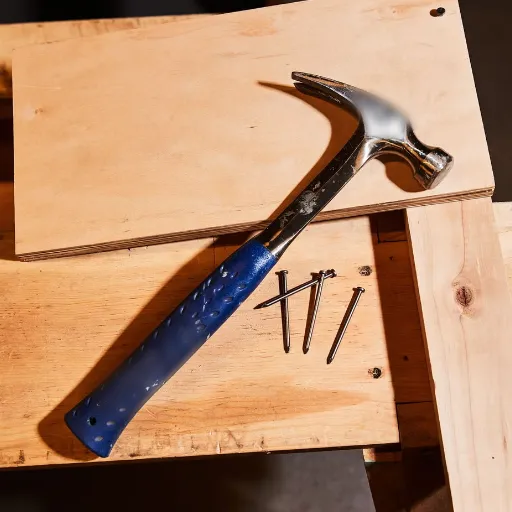
Overview of Essential Tools for Woodworkers
The minute detailing and surface finishing are done by the use of basic tools in woodworking and carpentry that consider to be the art and science of carving and joining the wood pieces, along with the main tools. Woodworkers, irrespective of their skill levels have a preference for a diversified assortment of tools that are essential and mainly based on their performance and user-friendliness. The following list of essential tools is categorized into three major groups for convenience in choosing.
- Measuring and Marking Tools: Accuracy plays the central role in the craft of woodworking, and measuring tools are the ones that guarantee your projects have that as their hallmark feature. A reliable tape measure is a must-have for measuring dimensions both small and big, hence, a non-negotiable item. Moreover, a combination square is one of the utmost importance when it comes to marking straight lines and checking for right angles. For the more cautious there are still marking gauges; they are of great assistance when making very thin cuts for joints, especially.
- Cutting and Shaping Tools: Cutting tools are always present at the core of all woodworking tasks. One of the hand saws, crosscut or rip, that you can rely on for making clean cuts in different woods is very important. On the other hand, if you do very detailed and delicate work, then a coping saw is the tool for you. Furthermore, chisels are versatile as they are employed to cut wood, smooth edges or create patterns. Regularly sharpening your chisels with a sharpening stone helps to prolong their efficacy and accuracy.
- Assembly and Finishing Tools: The tools for assembly, like a first-rate clamp, are the major players in the merging of your projects. It is only then that a hammer turns out to be another staple meant for nailing purposes or light assembly. The last point is either hand plane or sanding tools used for the final product to be smooth and classy creating a professional finish.
The possession of these primary tools empowers you to confidently and optimally handle a wide range of woodworking projects at once. It is the same with starting the initial process, expanding your collection gradually over time eventually leads to possessing the tools demanded by any difficulty.
The Importance of Choosing the Right Hand Tools
Hand tools are key players in the woodworking industry. Every single tool can produce a perfect cut or job done with delay, but still, there are no accidents. So if you are diligent in selecting the right ones, then you are sure to get the most out of the materials in terms of quality, quantity, and time. On the contrary, bad tools will literally make your project go wrong from the start, leading to nothing but irritation and possibly injuries in the end.
The whole thing about quality hand tools is that they last if they are bought according to your needs. The reason why well-manufactured hand tools cost higher prices is that not only are they built of the best quality materials, but they are also made to last. Besides, when you have quality tools, you are not only going to perform the task with less effort but also in a more pleasant way as the super comfort that quality tools provide in this case is the reason that less tiredness is going to be felt after using them for long hours.
Finally, the right tools give birth to creativity and flexibility. The right gear will make you more approachable to a bigger range of projects and will give you the confidence to try new techniques. This can be the road for both novices and professional woodworkers to build proficiency and deliver their outputs at or over the standards. Hence, giving a proper consideration to your tools is a must if you want to be successful in your woodwork project.
Difference Between Hand Tools and Power Tools in Carpentry
In carpentry, both hand tools and power tools are indispensable, although they differ in their applications and benefits. Hand tools, for example, include hammers, chisels, and saws. They are manually operated and are thus prized for their precision and control. They can be used for complex tasks, intricate woodworking, and providing rough or fine cuts when a craftsman demands it. Also, hand tools are the most difficult to work with since they require maximum effort. It is still seaonsble to use them, though, since they are not dependent on electricity, which makes hand tools portable and usable in any location.
Power tools, however, are the opposite. They will be the fastest and furthest in carrying out the same tasks because they are powered by electric or battery power. Among the electric gadgets are drills, circular saws, and sanders, they all are time-savers and effort reducers in doing large-scale or repetitive jobs. They become the favorite for the most difficult cutting or drilling tasks that need speed and consistency. Nonetheless, power tools usually require electricity and could also pose a safety risk due to their high speed and force.
Thus, if the project is of an intricate nature and the user prefers hand tools, they are the best option. On the other hand, if the project is large or a quick turnaround is needed, power tools are the ones to be considered. For every carpentry project, having a mix of both kinds of tools assures that there will be no limitations imposed on the choice of method; thus, the outcome will be effective.
Power Tools for Carpenters
Choosing the Best Power Tools for Carpentry
While selecting the best power tools for the carpentry to work, I always put reliance on reliability, efficiency, and versatility. The proper tools can bring about a very big difference in both the quality and speed of a project, hence I give priority to the brands and models that are recognized for their durability and performance. The basic tools for most carpentry tasks are, among others, a circular saw, power drill, jigsaw, and a quality sander which are all indispensable. The range of these tools is so wide that it is even from cutting, drilling to shaping and finishing; hence they are perfect cornerstones for any carpentry toolkit.
When evaluating power tools, I specifically take the needs of my projects into account. In the case of larger construction tasks, tools such as compound miter saws or table saws provide the needed precision and power for clean and accurate cuts. Likewise, for detailed cabinetry or furniture making, I depend on a router or detail sander for intricate finishings. Tools that come with adjustable settings and have multiple functions are the ones that I rely on to be flexible in taking different approaches to projects, and at the same time, I guarantee that the outcome will be the same always.
Lastly, I don’t forget to assess the ergonomics and safety features when it comes to power tools. It is very important to be comfortable while working for long hours so I make sure that the tools I have are those that come with ergonomic designs that are less straining on my hands and wrists. At the same time, features like blade guards, anti-kickback systems, and reliable power switches bring about the feeling of security that one is working with tools. By giving equal importance to both functionality and usability, I am able to collect power tools that not only satisfy my existing needs but also enable me to confidently take on a wide variety of carpentry problems.
Comparing Cordless vs. Corded Power Tools
Corded tools offer consistent power and are cost-effective for heavy-duty tasks, while cordless tools provide portability and convenience for mobile or remote work.
|
Aspect |
Corded Tools |
Cordless Tools |
|---|---|---|
|
Power |
Consistent |
Battery-dependent |
|
Mobility |
Limited |
High |
|
Cost |
Lower upfront |
Higher upfront |
|
Runtime |
Unlimited |
Limited by battery |
|
Weight |
Lighter |
Heavier |
|
Storage |
Bulky |
Compact |
|
Durability |
High |
Battery wear |
|
Applications |
Heavy-duty |
Portable tasks |
Essential Power Tools for Advanced Carpentry
To execute advanced carpentry one needs precise, efficient, and versatile craftsmanship which can only be realized with the help of the right tools. Here are the essential power tools that every woodworker should possess in order to face complex woodworking projects:
- Table Saw: An accurate table saw is necessary for the cutting of the wood according to the length, width, and angle. The contemporary table saws mostly are equipped with such features as adjustable railings and dust collection systems that help in getting the best precision and cleanliness.
- Sliding Compound Miter Saw: This is the exact tool for making perfect angles and compound cuts therefore it is indispensable in performing operations like framing, molding, and also doing intricate joinery.
- Router: A router is a tool widely used by woodworkers to make patterns, grooves, and edges. a router with different bases can be chosen for maximum flexibility.
- Planer and Jointer: To obtain absolutely flat and squared lumber, the use of a planer and a jointer is a must. These machines produce smooth, even surfaces and uniform thickness, which is a requirement for fine woodworking.
- Random Orbital Sander: For an immaculate finish, the best quality random orbital sander is a must-have tool in your collection. Its round motion causes no scratch marks and at the same time gives smooth results.
- Cordless Drill and Impact Driver: The combination of versatility and portability makes these two tools very suitable for all the tasks that require less effort such as drilling holes and driving screws. The majority of the cordless models have now introduced brushless motors that increase the battery life and power output.
- Track Saw: A track saw provides the greatest accuracy for cutting wide boards and panels smoothly, straightly, and cleanly, thereby at times the need for the heavy table saw can be eliminated in the project.
In order to be the best at advanced carpentry, the power tools must be reliable and if so, they will guarantee precision and efficiency. Also, assessing the features of the tools like durability, ergonomics, and advanced technology can help in making the carpentry experience even more enjoyable allowing you to produce high-quality professional work with confidence.
Selecting Tools Based on Project Needs
Tools for DIY Projects vs. Professional Use
The distinction in selecting tools mainly depends on their purposes and the level of usage. DIY tools are usually aimed at undertaking home projects and light-duty tasks that are occasional at most, thus affordability and a user-friendly approach are the main considerations. The most common tools in this group are cordless drills, jigsaws, and some hand tools like hammers and screwdrivers. They are the perfect match for newcomers or people doing less complicated things like the assembling of furniture or the making of a planter box; the projects are not to be bigger than these.
Professional tools, however, have to take on the hardest work and still be performing at a consistent level. Usually, they come with better materials, higher power, and more accurate than standard tools. Such tools are; industrial table saws, pneumatic nail guns, and impact drivers that operate on electricity. Professional people may consider tools with longer warranty periods, better ergonomics, and the possibility to use special accessories to increase their efficiency and reliability in the commercial job sites.
The choice between these categories depends entirely on your project’s specific needs. Quality and safety are still guaranteed if you are investing in the correct tools, whether you are doing a weekend DIY craft or an exacting professional build.
How to Determine Your Carpenter Needs
The first step in assessing your carpenter needs is to scope out your project and its requirements. To do this, you need to put the types of work that will be done in the right order—do you want to do small works like furniture repair or do you want to do big ones like building a deck or remodel a room? The skill level and the equipment that the carpenter will use will depend on the complexity and the size of the project you are working on.
It is also important to think about the materials that will be used, because in some cases, carpentry requires knowledge of a certain type of wood, finish, or even certain tools. For instance, a skilled fabricator may be needed for very precise work in case of intricate cabinetry, while general construction may only require a carpenter who is good at different areas of structural frameworks.
Moreover, consider your budget and the time you expect the project to take. These two factors can greatly influence your choice of carpenter since there are those who do quick, affordable work while others do slower, more expensive, and customized work. Just make sure the carpenter has the necessary qualifications, background, and references since this is going to be the basis of their trustworthiness.
Finding the exact service needs through this meticulous evaluation shall impose on the potential carpentry contractors and online reviews a stronger basis of confidence in you as a customer who knows that his or her demands can only be met locally and not through the impersonal search results based on keywords which in fact may miss personalized criteria.
Customizing Your Toolkit for Specific Carpentry Tasks
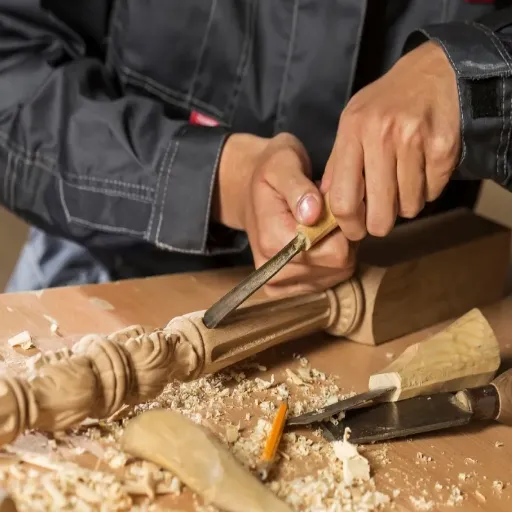
In carpentry, using the right tools for respective tasks is the key to attaining precision and efficiency in your work. For the basic jobs, a basic toolkit may be adequate, but for specialist tasks, often it is more customized tools that are needed. For example, highly detailed wood carving would be done using precision tools like chisels, gouges, or micro-planes whereas large construction would require power tools like table saws, planers, or nail guns. Once you identify the type of carpentry job, you can then tool up your kit with the appropriate tools, thus reducing risks of errors and making the process faster and easier.
Moreover, having good quality tools and keeping them in good condition is the key to their effectiveness over time. Maintenance, such as sharpening blades, lubricating moving parts, and cleaning after use, can considerably prolong the lifespan and performance of the tools. However for bigger machines like power tools, it is very important to stick to the manufacturer’s suggested maintenance plan in order to avoid problems from happening unexpectedly. The tools that are in good condition plus the right ones selected for the task will indeed not only help the desired results but also make the working place a safer one.
Upgrading your toolkit through hi-tech ways is another aspect that you can look into. When you research about new technologies in woodworking from reliable sources like Google search, you might find out, for example, that there are already some ergonomic tools, compact cordless designs, or smart devices for accurate measurements. By this method, your toolkit is always stocked with the very latest trends and innovations coming from the industry, thus preventing the problem of depending on simplistic phrase-based search results that do not provide detailed insights. By the combination of thorough tool selection, proper care, and the use of modern innovations, you have guaranteed success in any carpentry project you undertake.
Maintenance Tips for Woodworking Tools
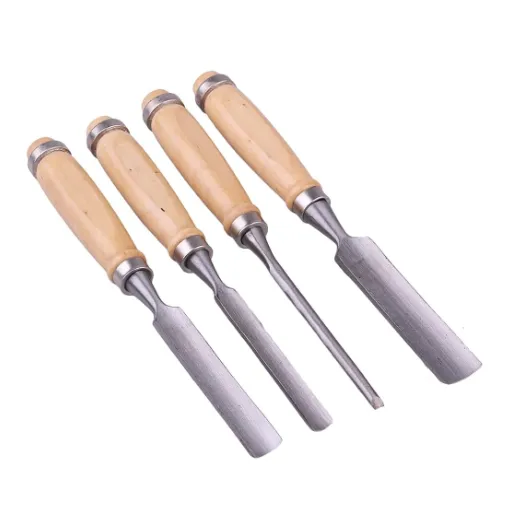
Extending the Lifespan of Your Hand Tools
Proper care and maintenance of hand tools are regarded as the most important means of prolonging their useful life. First of all, the tools should always be kept in a clean and dry place. Rust and corrosion are the main consequences of moisture and humidity, and they will undoubtedly compromise the effectiveness and the structural integrity of chisels, hand planes, and saws. You may use a toolbox or a hanging storage system to keep your tools organized and concealed from the surroundings’ harms. Moreover, it is worth considering to put on a thin layer of oil or a rust-preventive product on the metal parts so as to form an unbreakable barrier of protection.
Cleaning up regularly is an important factor in keeping hand tools in their best possible condition. At the end of each use, wipe tools with a cloth to get rid of dust, wood shavings, and everything else that might have got stuck on them. If there is dirt or grime that is hard to come off, gently scrub with a soft brush and mild cleaning solution. It is also very important to examine for damage or wear and tear, like dull blades, loose screws, or splintering handles. Sharpening, tightening, or replacing worn components can quickly take care of these problems and prevent further deterioration and unsafe, inconsistent performance when using the tool.
Modern insights and techniques in tool maintenance can be integrated to increase the effectiveness further. For example, the accuracy and alignment of tools like squares and marking gauges can be checked using digital micrometers or calipers. While ergonomic cleaning brushes or non-abrasive polishing compounds come in with a maintenance kit for gentle care of delicate surfaces, the user’s strain is reduced as well. Thus, woodworking lovers can not only keep their hand tools alive for several years but also have them reliable and accurate for every project by these methods combined with a continual approach to inspection and repair.
Cleaning and Caring for Power Tools
The proper and regular maintenance of power tools is very important as it will give power tools longer life and at the same time it will guarantee their efficiency in performance. First, clean your power tools using the cleaning method mentioned above after each use as a rule. Brush softly and with a dry brush dust plus the rest of the debris and sawdust out from places that are hard to reach, for example, air vents and moving parts. Compressed air is truly powerful and it can easily get rid of the tiniest of particles that are stuck in the tightest of spaces. For the exterior of the tools wipe with a very clean and slightly damp cloth to get rid of any dirt and dust but make sure that the moisture will not get into the electrical parts as this will lead to damage.
Lubrication is indeed one of the main factors for keeping power tools working efficiently. The moving parts as for instance; the bearings and gears plus even the pivoting mechanisms do need lubrication to work together and so you as the owner of the tool will have to make sure that the right maintenance lubricants are provided. To know what lubricant is best for the particular tool, read the manufacturer’s recommendations thoroughly. Excess lubrication leads attraction of dirt and hence only the right quantity has to be applied to keep the parts working to the full capacity. While oiling, do take the opportunity to check the components for wear and tear, concentrating on blades, belts, and motors to nip problems in the bud.
It is equally vital to keep power tools in the right conditions. A dry and well-ventilated place is good for keeping power tools as this will control rust and corrosion. Cases, shelves, or hooks are ways of organizing your tools that will provide accessibility and at the same time, there will be less risk of accidental damage. If you can, spend on a tool storage system that will give you the option to segregate electric tools from hand tools, thus allowing cables and electrical surfaces to be ventilated properly. Through these cleaning and care practices, it is guaranteed that the power tools will be in their best condition, thus eventually leading to money-saving and the quality of your work being improved over time.
Storage Solutions for Your Carpentry Tools
Without a doubt, effective storage solutions greatly enhance the durability and utility of your carpentry tools. One of the most common methods is the use of pegboards mounted on walls, which help you arrange and show off your tools while making good use of vertical space and also providing easy access. For the larger tools, it is suggested that you go for strong cabinets or specially designed tool chests with a number of compartments to arrange your items according to type or size. Smaller materials such as screws, nails, and bits for drilling can be stored in transparent bins with labels as these bins will allow speedy identification and will also help keep the place free of clutter.
Climate control is another aspect that brings storage of tools into focus. If the surrounding air is too humid, then this will cause rust to form and tools to get damaged, thus the need for a dry place that is also cool will be the only remedy for the tools. To be on the safe side, one can use silica gel packs or dehumidifiers to dry out the area and prevent moisture from forming. Besides, mobile storage units are a plus for the workspace that frequently gets rearranged as in the case of rolling carts, you get flexibility without sacrificing organization.
Moreover, if you are one to invest in storage solutions like modular units or magnetic strips for metal tools, then you will be the one to enjoy maximized space and increased workflow efficiency. Not only do these solutions safeguard your tools, but they also contribute to the creation of a functional and secure working environment, which is the first step towards the success of your carpentry projects.
Recommendations for Beginners and Seasoned Professionals
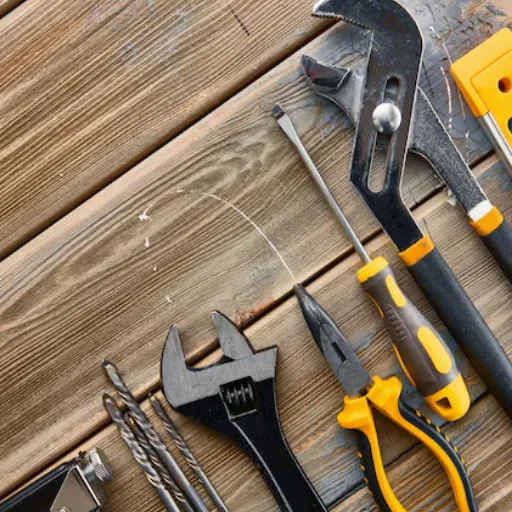
Best Starter Tools for New Woodworkers
The beginning of a woodworking journey is the acquisition of the correct tools, i.e., the skills and the confidence to build. Therefore, here are some beginner hand tools that the novice could not overlook at all:
- Measuring Tools – Woodworking is all about precision so that a quality tape measure, a combination square, and a marking gauge become the most important tools for accurate measurements and layouts.
- Handsaws – A reliable handsaw, either a crosscut saw or a backsaw, is the cutting tool for various tasks. These tools give you control and are the best for practicing basic sawing techniques.
- Chisels – The sharpening of a set of woodworking chisels allows you to do detailed carving and shaping tasks. Get chisels with durable steel edges and comfortable handles for safe and easy use.
- Clamps – Clamps are a must for holding the pieces of wood steady in the processes of gluing or assembly. Bar clamps or quick-grip clamps are the best options for beginners since they are both versatile and user-friendly.
- Cordless Drill/Driver – A cordless drill gives you the freedom for drilling holes or screwing in screws very quickly. Choose a lightweight model with multiple speed settings for better control.
- Block Plane – Block plane is complete for smoothing edges and removing minor wood defects. A block plane is a project refiner for a professional look.
- Workbench – Even a basic sturdy bench is eventually the main factor in holding the working area steady. It turns into the place where cutting, putting together, and finishing wood pieces can be done safely.
With these tools you are already equipped, it is very hard for you to fail in your first projects since you are going to be using the basic skills at the same time. Equipment more advanced to measure your growing abilities can be added to your toolset gradually.
Upgrading Your Toolkit: What Professionals Should Considernce
Tools are going to be one of the major aspects of your woodworking profession and hence their quality, precision, and efficiency will determine the standard of your work. Good machines like saws, heavy-duty routers, or laser-guided miter saws would be a great help in making your work more accurate. On the other hand, using CNC or 3D modeling software will open up the door for you to not only create the most precise patterns but also apply complex customizations.
Another factor that you should consider is ergonomics. Specialized tools that are soft and easy on the user hand may get rid of the physical toll as well as increase the output during a long project. Besides, keeping up with the latest carpentering tools like those with smart technology integration for measurement or automation practically puts you among the best for these innovations grant you superior results.
It is only the kind of work that you want to do that will help you in deciding the right tools for your needs. So farmers, prioritize those tools that go hand in hand with your special skills, yet at the same time, they can be durable and easy to work with for continuous growth in your craft.
References
-
Oklahoma CareerTech – Carpentry Skills Workbook
A workbook that includes information on tools extensively used in carpentry, with a focus on safety and efficiency. - Click here to read more.
Frequently Asked Questions (FAQ)
Q: What are the best carpenter tools every beginner should buy?
A: The top tools that any newbie woodworker would need to set up a basic shop are: a few theme essentials and a great circular saw, a cordless drill, a nice set of chisels, and a reliable level among others which includes claw hammer, tape measure, and combination square. This list of tools is a combination of both hand and power tools for woodworking so firstly, you can level, mark, and secondly cut materials like plywood and small-size finishing wood. These tools are required in every workshop and are often the best investment for numerous projects.
Q: Which tools are considered essential carpentry tools for precision work?
A: The combination square, a good marking gauge, precision chisels, a block plane to flatten surfaces, and calipers for fine measurements are the tools for precision work. The precision tools help to ensure tight joints and consistent dimensions, and thus, professional carpenters use them and that is why they are of great value in a professional carpentry shop or home woodworking.
Q: Should I prioritize woodworking hand tools or woodworking power tools?
A: Both are important: hand tools help to learn the basics and are great for finish work, while power tools save time on repetitive cuts and heavy stock removal. Start with essential hand tools and add a circular saw, table saw or compact and portable miter saw, and a variable speed router as your budget allows. A balanced tool collection gives flexibility for many projects and professional carpentry tasks.
Q: What are the best power saws and blades and bits to own?
A: One of the best features in a beginner’s arsenal is a circular saw that can be used for ripping and crosscutting sheets of plywood. An accurate cut miter saw and a table saw for straight cuts are also popular. Moreover, a good investment in saw blades and bits will result in a clean-cut finish as for example, one can use carbide-tipped blades for plywood, fine-tooth blades for laminate, and sharp router bits for joinery. The blades and bits that remain sharp longer are worth the extra cost as dull tools adversely affect quality and slow down the entire process.
Q: How do I organize a tool belt and tool collection for easy to reach access?
A: Your tool bill should be arranged according to usage frequency; measuring tape, pencil, utility knife, combination square, and hammer should always be within easy reach. Spare blades and bits can go in labeled pouches. It is recommended to set up the shop in such a way that the items most needed are located near the workbench that is equipped with power tools while the rest of the gear is stowed away. A tidy tool collection speeds workflow and makes it simple to use a tool when you need it.
Q: What tools can make my finish and joinery work better?
A: Hand planes, block planes, shoulder planes, and fine chisels are used for refining and flattening joints. A router with the appropriate bits results in smooth rabbets and grooves whereas clamps and a good workbench hold pieces tight while glue dries. These tools can hide tiny mistakes and are used by professionals who do carpentry work for high-end finishes and precise joints.
Q: How can I choose the best tools for value and durability?
A: Find the best brands that offer the strongest warranties and have good user reviews; take a close look at the quality of the build and the materials used. In the case of many tools, the mid-range models will be the best value: good performance without the high cost of pro-level equipment. Think about whether the tools can be upgraded or serviced; replaceable blades and variable speed features increase the usefulness of the tools. Tools that you will frequently use should be your priority—those are the tools worth to be invested more.
Q: What safety tools and equipment should every woodworking shop have?
A: Protection for eyes and ears, dust masks or respirators, push sticks for tabletop and table saw work, and proper lighting are among the things that every shop must have. It is important to have a first aid kit and a fire extinguisher in a location that is easy to access. Safety gear works hand in hand with your best carpentry tools by minimising the risk associated with power saws, routers and other woodworking power tools.
Q: How do professionals maintain their tool collection to avoid dull tools?
A: A professional carpenter has a well-maintained tool collection that consists of regularly and professionally sharpened blades and bits, removal of sawdust and resin from the tooling area, oiling of moving parts, and keeping of tools in a dry area. Cutting edges should be replaced when they cannot be sharpened anymore. Having a timely maintenance schedule ensures that tools remain in good working condition so that they perform accurately for various projects and still be a good investment of tools.