
Best Hand Tools for Plumbers: Complete Toolkit Review
Plumbers find it necessary to possess their own tools of trade for proficient service delivery. It may be time to look at a whole new level of working as a plumber, looking at standard plumbing tools from an all-rounded perspective, not as something just to fix faults. In that sense, the purpose of this blog post is to introduce different hand tools any plumber is expected to have. There are also additional ropes in some cases, when general box or tool bags do not seem to fit. Whether you are a plumber of many years wishing to rehaul his/her gadgets or a recruit raring to have his/her first toolbox tuned to his/ her liking, this write-up, preview, synopsis, brief, or guide will facilitate improved performance during work. Understand the basic tool categories every plumber must have for a successful plumbing process.
Introduction to Essential Plumbing Tools
Quality plumbing equipment is necessary to help plumbers perform their functions fast, efficiently, and accurately. Leaks, clogs, or inserting water piping into specific parts of a building are prevented using skill in conjunction with the tools. This helps in preventing downtime and consequences that would have been caused by the problem. Good plumbing tools are implemented in this fashion, improving on people’s skills, preventing errors and promoting efficiency hence ensuring high quality of work done during installation and repair of systems. Obviously, it would be suicidal for plumbers to go for ineffective appliance as this practice not only ensures poor quality services but also puts their business in jeopardy.
Importance of a Comprehensive Plumbing Tool Kit
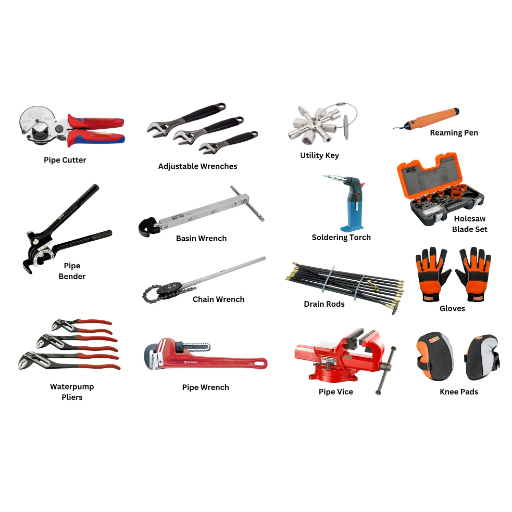
A complete professional plumbing equipment is necessary in any plumbing project, be it domestic, commercial or even an industrial. One of the things that one should ensure is that they have a well-stocked plumbing kit since the challenges that come with plumbing are vast. In one’s toolbox, there should be an array of specialized tools to handle various repair and installation cases. In order to exercise control and precision in the manipulation of the pipes, several types of wrenches are available, including adjustable, sink, and pipe wrenches. To deal with pipes, materials, or components in any other way than expected, tools such as pipe cutters, spirals, and plungers will have to be used to remove some materials or water.
The development of new techniques in water supply also emphasizes the utilization of tools in plumbing diagnostics and inspections, which exposes the damaged areas of the pipelines more appropriately. The joining issue is resolved using special scrap tools and press-fitting technology when it comes to copper or PEX pipe connections. There is one more section with the laser distance finder and some other digital technologies applied to estimates which makes project implementation more accurate and profitable. This also promises a well-crafted and appropriate take on repairs and installations by enhancing one’s kit with such essential and cutting edge tools of the plumbing trade.
Overview of Must-Have Plumbing Tools
| Tool Name | Purpose | Key Feature | Recommended Use |
|---|---|---|---|
| Pipe Wrench | Tightening and loosening pipes | Durable, adjustable grip | Metal pipework adjustments |
| Basin Wrench | Accessing narrow spaces in sinks | Long handle with pivoting head | Faucet installations and repairs |
| Plumber’s Torch | Soldering and sealing copper pipes | Precision flame | Pipe joint sealing |
| Tongue-and-Groove Pliers | Gripping and turning components | Adjustable jaw sizes | Versatile plumbing tool |
| Hand Auger | Clearing small drain clogs | Crank-driven cable | Minor blockages in sinks |
| Power Drain Snake | Clearing severe drain blockages | Electric motor operation | Heavy-duty clog removal |
| Plumber’s Tape | Sealing threaded connections | Durable and leak-proof | Preventing leaks in fittings |
| Tube Cutter | Cutting pipes to size | Clean, precise cuts | Metal or PVC pipe cutting |
| Laser Distance Measurer | Accurate measurement of spaces | Digital precision | Project planning and layout |
| PEX Crimping Tool | Securing PEX pipe fittings | Compatibility with various sizes | PEX plumbing installations |
Importance of Choosing the Right Tools for Plumbers
It is imperative that plumbers select the most appropriate tools to complete their work effectively and meet all quality standards. The increasing effect of technology and the advancement of new and improved tools have affected the plumbing industry. For example, plumb lasers are now used particularly in advanced plumbing designs for construction of long pipe runs. Therefore, there is the building of shorter schedules that does not call for pipelining the study and conclusion stages for they are part of the planning stage. In addition, PEX crimping tools for a proper withstanding are the different kinds of Dimax treatment systems that shun the manual torture of PEX fitting.
Studies demonstrate that the longevity, and, respectively, workability of the plumbing apparatus essentially depends on the quality of tools. Superior materials and construction not only add to strength but also protect against the injurious impact of the working environment thus improving working conditions. Additionally, these new products such as tools with digital capabilities, allow the new age plumber to perform precision work more efficiently which lowers the time spent and disruption to the client. In short, by acquiring bespoke, high quality tools, plumbers will surely be able to provide a much higher level of works, earn their customers’ trust and generally obey the rules of the industry.
Top-Rated Plumbing Hand Tools
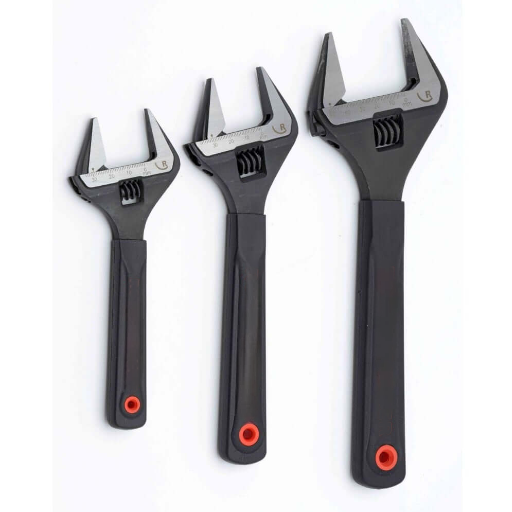
- Pipe Wrenches
Pipe wrenches are used for holding and rotating pipes and are distinguished by their toughness and adjustability. Wrenches with an aluminum finish are useful, lightweight and are able maintain their rigidity at the same time. - Plunger
Plungers are amongst the most used equipment for simple house fixing because the primary mechanism – the suction is extremely easy to use, making it easy to clear the most common blocked drain in a few minutes. - Adjustable Wrenches
What makes adjustable wrenches an invaluable tool is that they are designed to provide a firm fit of nuts and bolts of different sizes, thus making them the perfect tool for multi-faceted needs. - Tubing Cutters
Preferably designed with the arrangement of precision tubing cutters, the latter are also recognized to be ‘zero’ in claims resolution rate as they enable the making of seamless cuts on copper or PVC pipes, maintaining adherence to environmental standards of the location. - Plumber’s Tape (Teflon Tape)
This sealant has actually been designed very specifically for the thread joint types of pipes to locate this pernicious coolant from the pipeline networks. - Basin Wrenches
Custom-made for quick tightening or loosening of nuts that are found in close proximity, tools like these are very important to those who are working under the sink.
Pipe Wrenches
Pipe wrenches are always the easiest and the most challenging thing to work with whether one is a professional plumber or a simple homeowner because they are the best tools for unscrewing and screwing fasteners and tubes. Most modern pipe wrenches are made with the descriptive characteristics for them to be able to grasp different sizes of pipes easily through the adjustable jaws. The serrations of the jaws — these have to produce fairly generous dimensions — should be as big as possible to ensure non-slippage of damp smooth materials
Advanced models of pipe wrenches might feature heat-treated high carbon steel, increasing the ability to withstand wear, and elongating the functional life even in extreme performance capacities. At the same time, some wrenches can come with special handles, exempting the nuisance related to over-using a tool by providing a pleasant and non-sweating gripping. Finally, some of the pipe wrenches are now being manufactured to be user friendly and at the same time cheap especially the ones engineered to be weighed against the normal steel pipes during prolonged working hours at homes or industries.
Basin Wrenches
Basin wrench is a very important tool used particularly where available dimensions do not allow use of traditional wrenches such as under the sink. It has an exceptional construction which consists of a clamp with a long handle which speeds up the process of barely reachable nuts and bolts, that is construction that requires movement of the water after which the nuts would need to be fastened or loosened. As can be advised, plumbers installing taps or water feeds in areas with scarce space sometimes do use such wrenches, however the work becomes quite complicated. The current generation of the basin wrenches offers the knurl directly, reducing the size of the handle and also adding to an effective feel while using the tool, aiding in performance. In addition, most models are already made corrosion-free to enhance their longevity in moist or wet environments. In summary, the above-notch improvements speed up the accomplishment of the plumbing works and enhance the effectiveness of the storage fixtures and accessories.
Tube Cutters
In the plumbing and HVAC sectors, use of tube slicers is very common, particularly when joining pipes and tubes made of copper, aluminum, brass, or even PVC material. One of the reasons why most plumbers and engineers always select the use of tube cutter is the fact that it is very fast and gives smooth edges thanks to the rotary wheel attached to the side of a pipe while cutting. Today, tube cutters have advanced in so many ways incorporating facilities for easy adjustment hence better with a comfortable place to hold with ease.
Ratcheting cutters help resemble pipe cutters in fit and PVC or PEX tubes are best when a better quality tool with more control and cutting features is required. This is not only because of compatibility in size but mainly considering the finishes that will be used on the pipe opening or end. Thin copper usually needs to be cut cleanly as a single cross sectional joint and this process is challenging, so it is essential that any inner burrs are removed produced from this type of cutting method. Extensive use of the equipment also further exposes same to challenges and possible wear and tear, and this includes severe commercial use.
Key Features of Best Plumbing Tools
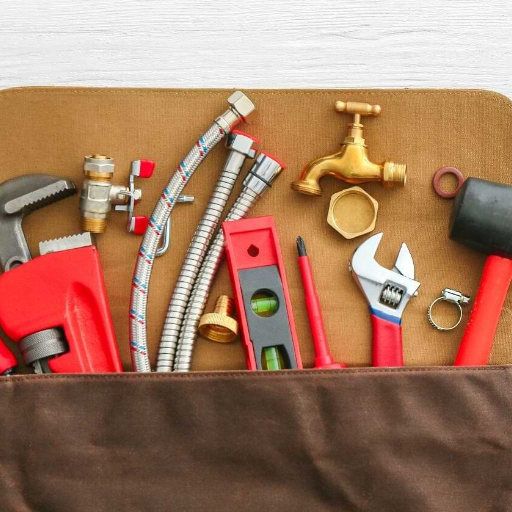
1. Durability
Choosing properly crafted plumbing equipment significantly, and good fittings. These are the preferences of the multilateral purpose tools used in welding lines.
2. Ergonomic Design
Whenever the devices been created, it was taken into account the fact that the equipment will be manipulated concurrently for a long time. These tools have anti-slip treads and are relatively lightweight, making it easier to handle such tools in easy light conditions.
3. Precision Cutting
Tools of cutting enable the plumbing connections not to have any margin marks which would simplify the process of fitting and will not expose any leakage in the plumbing system under any circumstances.
4. Versatility
Tools that can be adjusted to different functions and that consider different standards allow them to be applied in several fields, thus creating designs that are up-to-date and equal to the task.
5. Technological Advancements
When a user friendly mechanism is inserted in a tool, it automatically improves its functionality, shows more accuracy in performing the job and produces excellent results with little effort.
Durability and Material Quality
The use of strong and wear-resistant furniture fittings allows you to use them longer, better and more confidently. The basic issues of their structure and working condition are direct related to the right choice of durable material and structure for which plumbing parts are made. Use of such materials as press-fitted steel, hard and thick chromium-vandadium scale and corrosion-proof plating is typical for shock exposure and intense environments.
In addition to this, modern studies in composite materials have brought forward lightweight durable composites, which are not only strong but also portable. High level of standards such as those of ANSI and ISO, which concern the quality of tools, see to it that the tools should strictly adhere to the durability and safety issues, and the materials used are up to the expectation of professionals in this case, plumbers, providing them with reliable and tough equipments specially those meant to be used in rough environments.
Ergonomics and Ease of Use
The importance of ergonomics in plumbing tools can’t be underestimated as this goes a long way in reducing strain and improves effectiveness especially with works performed repetitively or for a long time. Today, tools such as drain cleaners, sink taps and other plumbing materials come with a number of advanced features and improvements that would make the work easy and less tiring through the development of handles, easy grips and weight that facilitates them. Nowadays there are pipe wrenches with moveable gripper jaws and improved tools to enhance comfort and hence fasten the rate of the pluming exercise.
Besides, tools that come with embedded technologies which can either be a quick- release system in a pipe cutter or a self-locking mechanism in an adjustable wrench, ease the burden by making the work of adjustment simple and less time-consuming. It also needs to be noted that today’s design of tools is user-driven and some of the most up-to-date solutions are: improved visibility markers that help in correct fitting and installation of components. In addressing the resistance with regard to the nature of plumbing, ergonomic tools play a big role in ensuring that physical injuries resulting from work are kept at bay, thus aiding in the higher output of work done in the industry.
Affordability vs. Quality: Pricing Comparisons
It tends to be challenging to strike a good balance in terms of money and the quality when it comes to purchasing plumbing tools, regardless of whether you are a professional or a DIY enthusiast. There are several basic plumbing tools available that are inexpensive to acquire, and these can be purchased from any number of outlets. These tools are perfect for use in infrequent or minor repairs. However, it is possible that these kinds of tools may be lacking in certain aspects, for example, being made from a hard type of metal or comprising of areas that are made of reinforced material, a situation that is helpful if one is handling very tough applications.
On the other end of the spectrum, however, are more sophisticated tools that are being priced exorbitantly due to the quality material that comprises them or the sophistication and longer durability that comes with them. Advanced devices, as an example, pipe wrenches, which are heavy-duty and made of high-carbon steel, or go through the process of being corrosion-proof, guarantee salvation for the user from under-maintenance as well as a longer life span. For that matter, such gadgets as a pipe cutter or digital pressure dial may be somewhat more costly, but they have a better reference that advantages them in a professional scenario.
Choosing the Right Tools for Plumbing Tasks
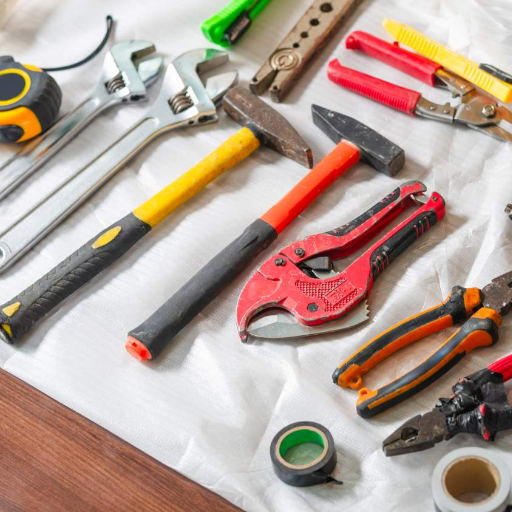
In selecting tools suitable for dealing with plumbing issues, it is very important to focus on their capability and staying power. To mention but a few, the essential ones are pipe wrenches that are used for holding the pipes, pipe cutters that are used for cutting perfect clean pipes, and Teflon tube which ensures that there are no leaks left once they are connected. Basins and sinks are also equipped with a plunger or a snake for that. For any other job of this nature that may require the use of such tools as a faucet or valve, and those pipes may be located in a hard-to-get place, a basin wrench is especially handy in screws tightening. These tools are the basis of almost every plumbing repair and any form of equipment installation, enhancing output with little strain.
Identifying Your Plumbing Needs
Evaluating your unique plumbing needs starts with familiarising yourself with the kind of plumbing system that had been fixed, plus what needs to be done. Generally, there is a network of piping, sinks, toilets, water closets, and even tubs considered as the main components of residential plumbing. Some known common issues for any homeowner often involve fixing leakages, rodding of any clogged drainage, repair of any broken pipes, or even replacing some of the old fashioned tasteless installations with recent ones. The details must also include larger or project works like a repair process although with a little consideration on build-up doneness.
Using flow measuring instruments and pressure assessment gauges can enable the operator to understand the system more; however, examining observable symptoms of wear, i.e., corrosion, staining, low pressure, etc., can be a good indicator for immediate repair. When this systematic maintenance approach is followed, both repair and improvement activities can be performed optimally with minimal operational discontinue and extending the life of the system.
Tool Selection for Different Jobs
The feasibility and its operational approach containing specific plumbing tools essentially involve the job’s requirements and potential intricacies. The pipe cutter or tubing cutter is a tool that is inevitable in cutting or installing pipes, because it is more accurate unlike the hacksaw. In the case of threaded piping, one cannot use the chain tongue or the slip tongue, a well-made dependable iron pipe will fit in quite well with the condition of clamping and twisting the pipe. With the development of leak detection equipment comes application of such devices as ultrasonic leak detectors, heat and moisture meters among others.
These tools facilitate location of faults and abnormalities in structures without any requirement for destructive examination. Furthermore, it is very effective to apply diagnostic tools such as inspection cameras with a focus on those that have flexible cable designs and are waterproof. Consequently, the use of such tools by plumbing technicians ensures that all the work is completed in a timely and accurate manner while in line with the expected professional conduct.
Advice for Apprentice vs. Master Plumbers
The demands put on an apprentice plumber are not related to the demands that are placed on a master plumber. This can mostly be explained by the differences in experience, the amount of technical knowledge skills gained and the overall responsibility involved in both. For an apprentice, the objectives of the apprenticeship shall include basic plumbing concepts, how to use appropriate tools, and following safety protocols. The successful completion of this level of training by young people who have gained competence in the practice is quite essential improvement of their self-esteem. Apprentices ought to learn and implement the standard practices of the plumbing trade, being introduced to the state licensing procedures.
On the other hand, journeyman plumbers should generally have knowledge of the day-to-day as well as the more complicated plumbing work that includes hydronic heating systems, backflow prevention, and innovative sewer line rehabilitation. Hence, they have the responsibility not only for designing and putting together complex systems but for monitoring the performance of subordinates and ensuring that all installations made are in full compliance with the specifications of the relevant codes. With many years of experience comes the expectation of further and regular education for the journeyman plumbers, both on the new green technologies in plumbing, new smart water work solutions, and with changing laws which demand compliance.
Maintenance and Care for Plumbing Tools
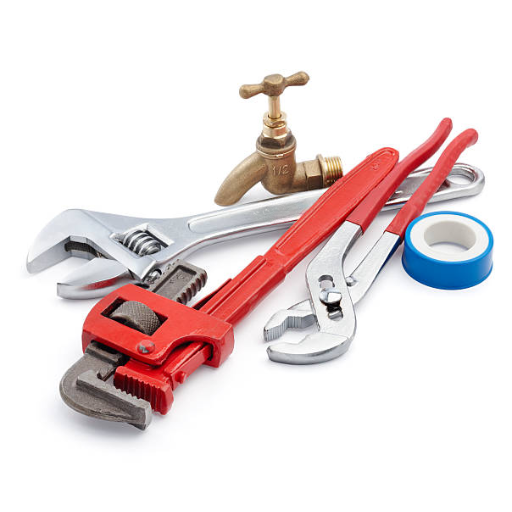
Proper inductive maintenance, as well as care systems put in place, reduce the wear and the tear of plumbing tools significantly hence enhancing their longevity. To begin with tools should be cleaned after usage to avoid the intake of dampness which is detrimental to tools particularly those that are put in a wet or chemical concentrated area. When using pipe wrenches use some oil on the parts connected or use a cutter to remove some of the parts to allow the tool to slide in and work more effectively as normal. Fourth, regard the storage of the waterpipe maintenance tools in a cool dry place in the house or a working shed so that they cannot easily be destroyed or stolen whenever left out.
Keeping Your Plumbing Tools in Top Shape
In order to maintain the functionality of plumbing tools and ensure their durability, it is necessary to use modern technologies to care for them. Applying the industrial oils to the metal tools for that matter minimizes the risk of the tool going rusty to a certain extent in environments that are highly humid. As for mechanical tools, whenever possible, make attempts as guided to reset equipment to the initial manufacturer settings regularly using professional – provided reference literature.
There is also the option to include using special cleaning agents, such as stainless steel cleaning solutions, for the care of certain tools in order to maintain the quality of tools longer. For equipment tools, it is advisable to store and charge the battery pack correctly, keeping it away from extreme heat as it may affect the efficiency of the tool. Additionally, to increase the efficiency of their storage and use in construction, tools should be identified and grouped properly in chosen storage facilities. Professionals may be certain of the effectiveness and applicability of their toolkits in further works if the above precise practices are used.
Safety Practices While Using Plumbing Tools
Health and safety procedures have to be taken into consideration while using plumbing tools to avoid any additional risks to working process. Secondly, whenever utilizing construction hand tools, inspections should be carried out even before they are used where upon disabilities or damages make the service dangerous. Specialised equipment in terms of Personal Protective Equipment (PPE) should be worn, including but not limited to a pair of gloves, safety goggles, and boots with reinforced toes to prevent injury from a sharp tool, chemical burns, or falling objects.
Handling cutting equipment as in pipe cutters and saws should involve precision unless there is desire to have the cutting edge making contact with any part of the body. Water pipes should always be shut down and ensure that no positions are left or in place before a person gets to work to avoid pipes bursts or leakage stains. Through receiving the requisite health and safety training all these factor could be resolved.
It is important that workspaces have a good arrangement of items in them because associated factors have an effect on how safe an area is for use. That being said, when it comes to using adhesive, sealant, or solvent, one should ensure that the room is properly ventilated since these three chemicals release harmful vapours that can be dangerous to human health. By following these professional guidelines, it becomes very possible for both professional plumbers and do it yourself lovers to work safely and fast at any given time.
Extending Plumbing Tool Lifespan
Failure to adhere to best practice can lengthen the span of plumbing equipment through supporting actions such as maintenance on a regular basis and checking the user manual for specific instructions. Attention in the case of the hand tools such as pipe wrenches and pliers, it is very essential that after use cleaning is done to avoid the materials getting coat with dirt or grease that can result into rusting over time. Lastly, when it comes to the use of metallic items within the system, apply only appropriate lubricants to avoid the quick wearing out of the parts due to friction.
Some heavy machinery such as pipe cutters and drain machines get the benefit of more attention. Check frequently the power cords, connections and mobile parts for tear and wear, since these will negatively affect the serviceability and more so safety of the devices being used. Finally, after using each tool place it in the storage, dry condition and controlled temperature to avoid its dumpering conditions which can ultimately as result of having moisture led to developing rust or electrical dysfunction.
In addition, consider getting high-quality tool cases or storing devices with cushioned space to prevent tools from receiving mechanical shocks during transportation. From time to time, calibrate measuring equipment and carry out usual verification tests to guarantee that they are still reliable and working right. By following through with these steps, instrument users can possibly improve the proficiency of their instrument as well as curb the problem of early obsolescence.
Reference Sources
- Plumbing School: Essential Tools Every Plumber Must Know
Read more here - Review on Effect of Plumbing System in Construction
Read more here