
Choosing the Right Welding Machine for Heavy-Duty Repairs
When you need intensive repairs carried out, it is crucial to select a welding machine that will bear the heavy task of remedial measures without faltering structurally, emotionally and with minimal extra financial expense. Many welding techniques exist, including MIG, TIG, and stick welding, and trying to figure out how to meet the needs of heavy-duty welding tasks most effectively using any of these technologies can at times be difficult. This article examines the unit’s most pressing technical issues such as material, amperage, duty cycle and other factors in order to help in the decision process. These key aspects help the workers in the sector regardless of whether they are experienced or it will be the first time they will be fully involved in a comprehensive fixing job, to make adjustments while purchasing the required welding equipment needed for the task.
Introduction of the Welding Machine
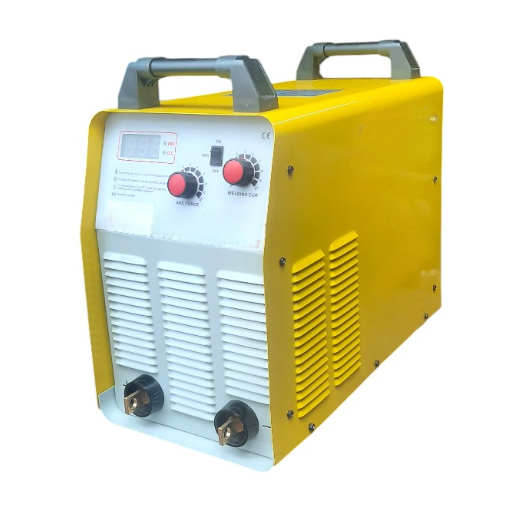
A welding machine is a necessary contrivance whose role involves the connection of two or more pieces of metal by using heat and sometimes pressure in order to come up with an everlasting bond. MIG which means Metal Inert Gas, TIG (Tungsten Inert Gas) and Stick welding remain among the most common welding types used. They are normally ideal for particular materials as well as some project specifications. A welding machine is usually made up of items like a power source, an electrode, and a device to induce an electric arc which helps to melt the substance. It is therefore very essential for one to look at what sort of material one is working with, their thickness, and production application before they determine what sort of welding machine right for them.
Importance of Selecting the Right Welding Machine
Choosing the right welding machine is very important for me. I want to get good-quality welds as well as work efficiently without errors. Different welding methods melt materials to different extents, thus creating the demand for corresponding consuming materials – this means that if one decides to repurpose a material, they need to buy relevant equipment. For example, TIG welding, will produce great finishes and this is the ideal way to weld with metals of extreme thinness, or on very delicate projects, whereas MIG welding is mostly a weapon of choice for fast, all-purpose operations such as automobile building and repairs.
Newer designs and engineering advances in welding technology are also coming up, such as that of inverter machine which also gives much better control and sometimes more useful very especially for all those working “on the move” rather than working at a fixed location. Very modern equipment, used in conjunction with computers, has improved the process further in that there is a setting that keeps on appearing, and the welders may not be required to set it since it is automatic; minimal human errors are experienced. Misuse and/or moving of their equipment through extensive or prolonged usage of the weld would in the end cause poor bonding, insufficient support or high maintenance costs thus stressing the importance of testing well in advance.
Overview of Challenges In Heavy-duty Welding Tasks
When it comes to heavy-duty welding, there’s a set of difficulties that have to be taken care of in order to ensure a productive repair process as well as the durability of the objects being repaired. One of the most serious issues that need to be addressed is weld distortion. This is because of the fact that certain metals tend to expand or contract excessively towards the weld during heating or cooling, which may lead to shape inaccuracy and require rework. Another main issue is overseeing the dangers that come with working on thick or high tensile materials. Usually, such operations call for high rates of heat and specific methods, which make it easier for mistakes like cracking and a lack of enough penetration to occur if the conditions and control factors are not adhered to.
Other complicating factors that can hamper the quality of welds include such environmental conditions as wind, moisture or high temperatures, with outdoor and on-site environments seeming to be the most critical. Problems such as malfunction, collapse, or strike, which are common in many large and extended welding jobs and which are by no means unique to welding, similarly occur. There is also the problem of compliance with industry-prescribed regimes and safety standards, which may call for drastic intervention either by upgrading the process itself or by modifying work tools or personnel training. Even by and by, research has been made in a bid to provide contemporary approaches of voluntary solutions to these conditions but the dependency on them is significant due to cost predictions, fixed expenses and how well the solution can be implemented in the existing flow.
Types of Welding Machines for Heavy-Duty Repairs
1. Shielded Metal Arc Welding (SMAW) Machines
Stick welders, also known as Shielded Metal Arc Welding (SMAW) machines, are extensively used in repairing activities that require extreme robustness and flexibility. They have the capacity to weld a variety of materials such as steel, cast iron and types of railroads, the equipment is very efficient in the construction field or in other such environments.
2. Gas Metal Arc Welding (GMAW) Machines
The utilization of GMAW(MIG) welding machines is gaining ground with lots of people nowadays since it is capable of making efficient and quick repairs. For this reason, many believe that these are generally the best option to weld thicker parts as their efficiency provides very strong joints that have high resistance.
3. Tungsten Inert Gas (TIG) Welding Machines
Excellent TIG (Tungsten Inert Gas) welding is necessary for any precision work as any poor repairs are not acceptable. Mostly, they do not weld such materials and therefore they do not have prospects of success in this area due to the limited number of skilled operators.
4. Flux-Cored Arc Welding (FCAW) Machines
Special nozzle for FCAW forms is required for consumption of the thick electrode wire and the granular flux, and typically for the application other consumable, fusible electrodes would not be recommended or recommended only last due to the too high energy intensity level their application would require.
5. Submerged Arc Welding (SAW) Machines
These powerful machines are specially designed for future industrial requirements which need effective strength and consistency especially in repairs. The submerged arc welding (SAW) in particular is good for creating substantial construction or repairing of structural components seeing it promotes profound penetration of the weld and delays the appearance of defects and drawbacks.
Compare Types of Welding Machines
| Welding Machine Type | Applications | Key Advantages | Limitations | Ideal For |
|---|---|---|---|---|
| MIG Welding (GMAW) | Automotive, construction, manufacturing | High speed, easy to learn | Limited outdoor use | Thin to medium metals |
| TIG Welding (GTAW) | Aerospace, art, precision fabrication | Precise, clean welds, no spatter | Slow process, high skill required | Thin metals, aluminum, stainless steel |
| Stick Welding (SMAW) | Outdoor, pipe repair, maintenance | Works on dirty/rusty metals | High spatter, lower aesthetic quality | Heavy-duty, structural welding |
| Flux-Cored Arc Welding (FCAW) | Heavy equipment, construction | High deposition rate, works outdoors | Creates smoke, more cleanup needed | Large-scale industrial projects |
| Submerged Arc Welding (SAW) | Shipbuilding, structural, heavy industrial | Deep penetration, high quality | Requires specialized setups | Large-scale fabrication |
| Plasma Arc Welding (PAW) | Aerospace, electronics, repair | Extremely precise, high control | Expensive equipment, complex setup | Micro-welding applications |
| Laser Beam Welding (LBW) | Aerospace, automotive, electronics | Precise, low heat affected zones | High cost, needs automation | Thin materials requiring precision |
| Electron Beam Welding (EBW) | Aerospace, nuclear, scientific research | Very accurate, excellent strength | Needs vacuum chamber, expensive | Critical applications, exotic metals |
MIG Welding Machines
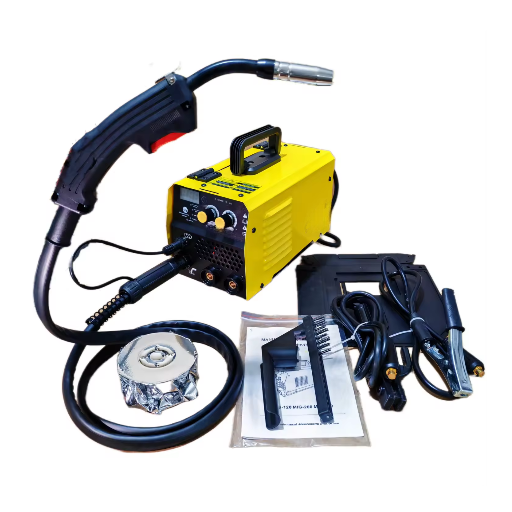
As it is, GMAW is a process of welding that employs an electric arc performed between a consumable wire electrode feeding and the work piece. A complete lack of oxygen is desired in the area where the welding is taking place so as to achieve high quality weld structures. They are ergonomic in design, are generally more compact and have greater acceptance within different residual power ones and the welding line especially despite incredible steel welding machines are a reality. Third century will see more use of MIG welding machine owing to the inbuilt welding technology in them.
Based on the high potential of new and integrative sources of information, there is evidence showing that nowadays syncretic control units are included in the work of a modern MIG welding machine. Such units change settings automatically depending on the typе of metal and recommended thickness, making the welding process more effective by eliminating mistakes and improving the quality of service. In addition to syncretic control, there are other advancements in MIG-welding machines that allow users to do MIG, TIG and Stick welding at ease.
On the other side, attention of the most recent trends is focused on increasing flexibility without sacrificing performance. There is, for example, a great enthusiasm for such compact machines, MIG machines, as compact as possible and inverter controlled power source of MIG welding which are able to work in the niche of all products and to be efficient and reliable at the same time. Nowadays, with the improvement of application efficiency and the development of labour protection measures, the morphology of MIG welding machines still improves, addressing current needs of contemporary physics and engineering.
TIG Welding Machines
TIG welding machines are famous for the welding of parts of very high accuracy, which need a weld of very high quality. It is suitable for operations that call for high-level finish and tolerances. TIG welding employs tungsten electrodes that are non-consumable and this process provides fine control of the arc position and the heat input. TIG welding, therefore, is very useful for joints that may be said to be difficult or dissimilar such as thin sections of aluminum, stainless steel, or non-ferrous metals. The new key features dictating TIG welding progress include control of penetration levels and heat distortion factors due to effects of pulsing and display screens for adjustment of the parameters.
Most automatic TIG welding machines sold these days, are also fitted with high-frequency arc-starting, which makes the arc start minimal and, therefore, hides the probability of a period of contamination of the base material. There is a large range of improved cooling systems as well as new patterns of design movement, that is able to provide cooling in high-lying areas facilitating the effective operation of the welding stations in a number of industries working under adverse conditions. It is these enhancements that will continue to position TIG welding as a necessary means of producing high quality and defect free welds.
Application-Specific Recommendations
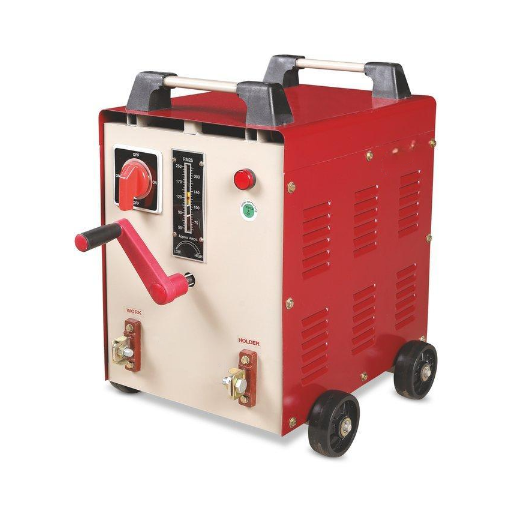
For thin materials applications, TIG welding is possible with precision in controlling the heat at the welding joint and ensuring minimal distortion to the material. A combination of using a smaller diameter tungsten electrode and reducing amperage, therefore, can even weld a width less than a millimeter. When welding with reactive metals like aluminum and titanium for example, users need make a choice of how the metal is connected using alternate current or straight current, where the electrons flow away from the electrode, as this can result in better welds with no interferences in enhncing their quality.
Also, the type of shielding gas in this case, often argon or argon helium, is important in weld strength and uniformity, but also acts to assist in faster heating of the joint. Before any welding takes place, роѕ, other than tools, equipment and torch, should never bе left around the work area and all surfaces must also bе cleaned thoroughly prior to any welding.
Welding Machines’ Common Applications
1. Construction and Infrastructure
Every construction industry is automated with welding machines for the purpose of fabricating as well as putting together the structural members for example, beams, columns, and reinforcements. It is estimated that in a significant portion of civil engineering projects around 50% percent of the total project will involve welding of steel and concrete.
2. Automotive and Transportation
Vehicles such as passenger cars, buses, and heavy commercial freight carriages require large scale use of welding in their production processes. More specifically, frame construction is a very common type of welding procedure. It is also how the vehicle structure assembly for tanks and similar vehicles is performed. In these applications, MIG and TIG welding are widely used due to their high quality, orderly, and clean welding.
3. Oil and Gas Industry
In large-scale pipe construction, on offshore drilling platforms as well as in oil refineries, there is a great need to employ welding machines. The ability of the welds to endure high pressures and temperatures necessitates the use of high-strength welds. It can be concluded that pipelines contain a significant proportion of construction activities, as welding, according to surveys, accounts for some 70% of pipe stringing activities.
4. Manufacturing and Industrial Fabrication
Workshops apply high-quality performing weld machinery inclusive in construction of instruments, metalworking, as well as appliances production. Such robotic systems are deemed more convenient in the present sector. They experience faster operations and relatively reasonable labor costs – up to 30%.
5. Aerospace Industry
Fabrication methods like laser and electronic welding are very important when designing light weight but very high tensile aircraft components. The very industry demands a certain level of accuracy and durability hence the profession of welding in aerospace engineering.
6. Shipbuilding and Marine Applications
Moreover, vessel building and repairing also requires effective methods of welding to connect large metal plates and maintain region at virtually free from water. This process quite frequently involves welding and its modifications in the form of arc welding or submerged arc welding of metal structures especially steel and working in marine environments, over water and shipboard.
Farm and Ranch Repairs
The agricultural sector highly depends on farming processes, thus the extent of needs for repairs, like alteration, is much more when it comes to farm and ranch repairs. This ensures that safely environmental conditions of the existing weld are sustained; for example, cutting or fabricating equipment, such as furrowers, balers, and trailers, or erecting fences in a farm would constitute the volume of demand therefore machineries should be kept in good condition. In both instances, the proportion of types of welding done; stick welding or shielded metal arc welding (SMAW), and flux-cored arc welding (FCAW) is considerable due to the types of materials being joined and existence of surroundings. The technology of welding has made tremendous growth especially since as of now it’s possible to move with the welding equipment hence this enhances timeliness while carrying out the repair works.
Industrial and Construction Repairs
In order to properly repair industrial and building structures, it is necessary to guarantee that welding technology used for repairs or edifications is functional and reliable. Welding technology, such as lasers and friction welding has in recent years facilitated repairs by making it possible to weld areas that have high strength steels with the minimum of distortion. Regarding steel repair more specifically, techniques such as FCAW are common in maintenance of plant, piping, and equipment in outdoor conditions since they produce strong and sound welds with minimum embedding problems as compared to orbital automatic welding. Amongst all the various imagery in the content, there are the welding robots in action.
One important aspect of the industrial repair sector is the care of machine tools as well as machinery alike. The loss of equipment leads to considerable inconveniences, especially for very fast-paced industries such as manufacturing and heavy construction, when it is not in use. In particular, operations like plasma arc welding (PAW) allow impeccable repair of the failing components ensuring that the machinery is able to operate as good as new once these operations are completed. Furthermore, specific kinds of heat resistant materials used in the welding processes prevent the items subjected to elevated temperatures from wearing out or deteriorating hence lengthening the lifespan of the equipment.
Choosing the Right Welding Machine for Your Needs
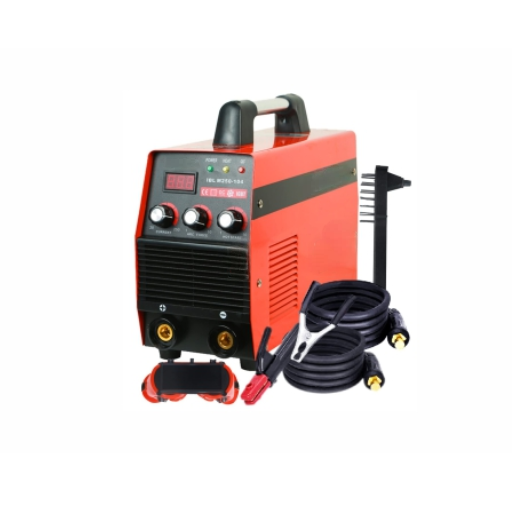
In view of this, when shopping for a welding machine, there are several factors which will determine the product to be purchased. This is for this very reason that the material being worked with, the thickness of the material and the welding process to be used should be taken into account. For these light materials like thin aluminum or steel, the MIG welder is a very popular one, and using it does not require much of an individual. The TIG welders, however, will be most appropriate if the work to be done is very delicate and requires fine and clear welds.
Moreover, rate the machine’s energy consumption, and find out if it can work with an electrical cord (110V) or it needs a higher voltage of power to match the industrial machines (220V). Finally, try to use the criterion of the economy of space and the money involved, because it might involve expensive machines which have many functionalities or a high power supply which enhances their costs but in the long run, this is expected to be more useful for those that have complex structures. Always make a comparison of the welding jobs that have to be done in order to provide the welding needs.
Key Factors to Consider When Making a Choice
1. Power Requirements and Source Availability
The power source is the most important factor in the selection of a welding machine. If you are dealing with small projects, or would like to use the welding machine at home, the one that works with a standard 110V outlet is adequate. Otherwise, for development or high capacity activities, the process involves the use of very robust machines that operate at 220V of power. Devising your selection on machines whose power requirements do not tally with that of the available source could negatively affect performance and even destroy the machine.
2. Amperage Range and Weld Thickness
The current on which the welding machine operates also directly affects the thickness of the material that can be welded. For example, to weld 1/8-inch steel one needs at least 90 amps depending on the thickness of the weld. For 1⁄4-inch steel and above, the thickness, on the other hand, demands up to 200 amps. Ensure the machine you acquire is able to weld the materials required, the key here being the amperage required by the machine. It may also be helpful to consider exceeding the requirements limits to allow for multiple projects.
3. Duty Cycle
The equipment’s cycle rating is the time in minutes that the machine can function without overheating under equivalent output in amps to the machine’s rating. Machines with fewer duty cycles (around 20 – 30%) are for occasional and/or light level use. Many professional undertaking or workplace activities that remain active all the time should instead aim at acquiring a duty cycle of 60% and above. Cycles should last more than 60% or below. Disconnect cooling and power complementary approaches can be employed then to ensure such devices remain completely efficient during periods of extended usage.
4. Portability and Weight
The way you need the welding techniques to perform will determine if a welding machine needs to be as portable as possible. For example, most lightweight machines weigh less than 50 lbs and possess grab handles that enable them to be carried from place to place. Contrariwise, the bulkier designs with a weight limit of 80 lbs and even above, are considered more of the stationary ones; However, they may come with additional functional features and increased working rails.
5. Cost vs. Features
Identifying the most cost effective non-compromising approach to the value of the equipment is a matter of consideration. All prices go by the quality of wax, being many gallons for various. Amongst all the protective coating materials this article will focus on polyurea. You can thus find starting welding machines costing from $200 $500, to highly-sophisticated professional machines that are worth $1000 to $5000 and above.
6. Material Compatibility
While there are many, there are still very few welding machines that operate best for all materials. The best welding machine for every job, for instance, is not always TIG because it involves special operations that others like MIG excel at. MIG is more convenient for the welding of mild steel and thick metals than TIG plus is also cheaper and less complicated. Finally, you should consider the materials you will mostly weld and find the welders who can deliver excellent quality welds on these materials.
Amperage and Duty Cycle
One of the most critical features that determines the suitability of a welding machine is the rated output and the on-cycle factor because this affects the operation or output of the machine. This refers to the heat output of the machine or how thick the machine will be able to weld at a given time with such heat. This means that welding a 1/4-inch mild steel needs about 180-200 amps at least. So if you are really into working with thinner materials and doing the so-called precision work such as sheet metal fabrication, go for the lower amperage settings.
The “duty cycle”, commonly referred to as a figure, addresses the time a machine can run at a specified current range within 10 minutes before cooling-down is required. For example, a tool with 60% duty cycle at a 200-ampere rating may be continuously used for up to 6 minutes, allowing for an interval of another 4 minutes. However, in longer projects the cells with higher duty cycles are more essential to keep the machine working efficiently for the industries to prevent any damages due to overheating and also to avoid downtime operational costs. And it is imperative that when such devices are used, the appropriate ratio of power to duty cycle is achieved, so that the output being achieved is uniform and the machine’s life is also not unduly shortened.
Maintenance and Longevity
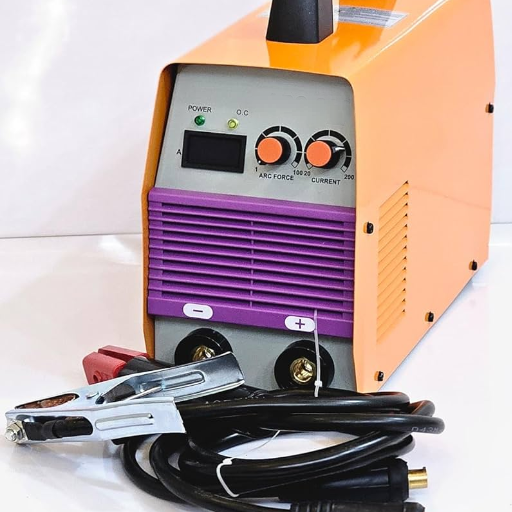
One of the most important aspects of maintaining welding machines effectively is the act of preventive maintenance. The operator must regularly examine the condition of the device for traces of abrasion, such as broken wires, slack joints, and large amounts of dust. It is fundamental to keep the dust down and enough air to enhance the ventilation and prevent the machine from getting too hot. Consumable items need to be replaced when they have been depleted, for example; electrodes and nozzles. Also maintaining according to the recommended schedule from the manufacturer’s user guide and ensuring that the correct power is being used will significantly increase the lifespan of the machine. Therefore be sure to keep it well enclosed in a safe place away from any situation where there is high humidity and protection is only minimal.
Tips for Maintaining Welding Machines for Heavy-duty Use
1. Perform Regular Inspection and Cleaning
Ensure that the welding equipment is regularly checked to spot early signs of wear and tear, loose parts, any other defects. Employ the use of air under pressure to get rid of excessive dust and repair the small internal parts to ensure that no dust for oxidative combustion is accumulated and that due to metal dust accumulation the machine fails to work properly. Also, if the ventilation system is free from dirt, the chances of machine overheating are considerably minimized.
2. Test and Replace Consumables Frequently
Consumable parts like nozzles, contact tips or even shielding gas diffusers tend to wear out faster with increased duty cycles. Replace these parts as soon as they start to show signs of wear. An inadequate contact tip can also lead to undesirable welding characteristics. For example, maintaining the latter, that is, replacing contact tips every 20-40 hours of welding elapsed, will prevent reduction in yield if the machine is properly used.
3. Monitor Electrical Connections
Always remember that all electrical systems will undergo vibration during use, which brings about the gradual loosening of electrical connections. You should take care of loose connections due to the increase of resistance, overheating, or welding output malfunction. Ground cable and clamps should be checked and their resistance reduced to prevent current losses.
4. Maintain Proper Cooling Systems
High-duty appliances are usually run for several hours, and if the cooling system is not able to operate, they might overheat. Test all the fans, outlets and coolers to see if they are in possession and operate efficiently. Make sure that you do this routine check on the air filters to avoid blockage. Also, if it’s a fluid based cooling system always pay attention to the level in accordance with the manufacturer’s recommendations.
5. Use Quality Power Supply and Surge Protection
The impact of voltage fluctuations and surges on the welding apparatus is terrible. Use the voltage stabilizer to power it, and boost the appliance with a surge protector or voltage regulator during critical times. Research suggests that voltage harmonics are cited as the cause of electronic equipment breakdown in 40% of the cases.
6. Follow Manufacturer-Recommended Maintenance Schedules
Comply religiously with the maintenance reminders offered by the manufacturer as printed in the users manual. Deliver, for example, the periodic extensive service after each 500 to 700 hours in case of harsh activities according to the said model to make sure even sensitive machine components will be tested and maintained carefully.
Importance of Choosing Reliable Brands and Models
Having a good welding machine is important investing in an area that one can be, and that is welding. Because people indulge in certain activities out of choice it is not only essential to have the welding machine every welder wishes for but unarguably necessary. Endurance, efficient working conditions, and occupational safety are some of the reasons that make people engage in some activities or do, hobbies and welding is no exception. Good welding machines conforms the faultless applying of them in harmony with the required regulations for protective measures within the set standards, ISO 5172 or ANSI Z49.1.
Moreover, contemporary designs frequently incorporate such sophistication as thermal overload protection, arc stabilization logic, and unit multiplicity, which virtually broadens the operational boundaries against diverse welding activities and materials. Trends in quality levels on average reveal that machines supplied by recognizable names are associated with longer periods of shelf and condition stability, which in the end helps to alleviate cost versus effectiveness concerns. Another provable advantage of top-available-brands is an even easier way to get a hold of services, as the corresponding organizations have a wide distribution of service points and hence may have all necessary care means at hand.
Reference Sources
Advanced repairs of metal parts through laser-directed energy deposition: a practical review of industrial use cases
Welding practices in selected metal welding industries in Ghana
Frequently Asked Questions (FAQs)
Which main types of welding are best for heavy-duty repairs?
As far as heavy repairs are concerned, MIG, TIG and stick or flux-cored welding types remain the most popular choice. Welding processes such as flux-cored welding or stick welding may also be necessary for some specific projects but will most likely be sourced to another firm where heavier materials are required. On the other hand, TIG welding is the most eye-catching where there is a need for detailed work such as working with stainless steel or aluminum, MIG or its equivalent machines being more efficient in a repair or maintenance shop inasmuch as cost and time saving is of the essence. Multiprocess welding machines are a suitable way of achieving the best performance from the three welding processes and can be used in very dynamic welding processes in the workshop.
How does mig welding compare to flux-cored welding for heavy-duty use?
The application of MIG involves the emission of very little or no byproducts, thus give the finest welds. However, the amount of flux core is nonexistent. This explains why most do it outdoors hence the reason for its increased popularity.. With more voltage being used – and thus more Practice and better penetration, flux-cored welding is used for thick & large objects and in the presence of a breeze, making it excellent for making repairs and changes. Dots denial maya katna use. A tiny MIG will be enough for making repairs to the auto body, while a big welder with high capacity and extended operation time would yield better results.
Are Mig welders or Tig machines better suited for precision repair work?
TIG welding is typically utilized for fine and small repair welding or in the case of stainless steel or any sheet metal works as it allows precise manipulation and produces cleaner welds as opposed to MIG welding which generally results to quicker and colloquially claimed, easier ether operation. Use of either MIG or TIG is mainly determined by the material type, finish preference, and the shipper dock, otherwise known as the welding expert. Altogether not surprising, when you come through a welder’s door, they probably have both outside because no work is the same, and for men and women in this profession, versatility, hence the adaptation to a wide range of tasks, is crucial.
How important is the duty cycle and power for heavy-duty welding machines?
Duty cycle allows a welding machine to safely provide welding services for a particular period of time. It is an operative measure especially important in applications which have a high burden of welded joints since it allows for operation at high power for a long period. This means that the machine with the higher duty cycle will perform all three continuous tasks such as repair, uninstallation and welding in contrast to another where operations will have to be interrupted each time. It becomes necessary to have such a high-end machine where high voltages, up to 350 amperes, are provided, and therefore, a robust cooling system is required to prevent downtime during operations.