
Top 10 Essential Pliers for Professional Electricians
In the field of electrical works, the best practices are precision, caution, and timeliness making the theories of the experienced electrician tried. Out of these tools, pliers are noted to be of great use since they are resilient and simple to manipulate, especially in a lot of electrical work. Picking up wires, adjusting, cutting, all this can be done even without too much effort thanks to the proper pair of pliers. As we will see in this article, there are several sizes and shapes of pliers that any electrical contractor should have on hand. This will guide you to purchasing other essential tools, as well as to the improvement of the trade. Here you will find the reasons for using these functional devices, how to use them and their usefulness in carrying out the tasks for which they have been created.
Introduction to Electrician Pliers
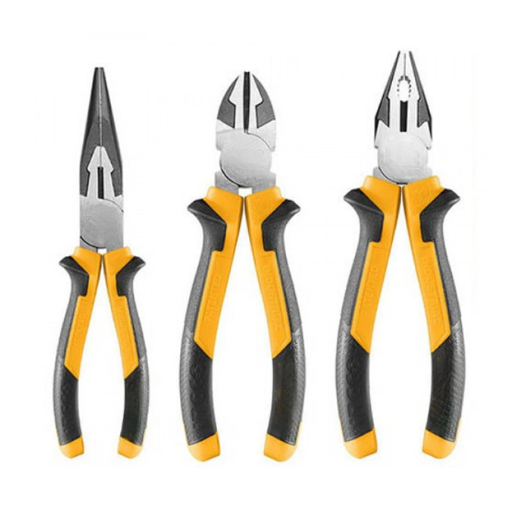
To successfully customize electrical pliers to fit work plans, it is important to give an idea of what electrical pliers are appropriate for certain apparatus and processes. Such tools serve to cut, hold, make curves or clean the insulation from conductors safely and quickly. The most expensive electrical pliers generally come with obviously high materials quality such as hardened high carbon steel, and rubbery insulated handles for protection against electric shock. They are designed to conform to ergonomic parameters for ease of use, and have a wide application range to accommodate any type of electrical works from wiring in buildings to industrial installations of any scale of deployment. When it comes to pliers, there are different types of tasks which can be disadvantageous or advantageous in terms of work processes as well as electrical safety.
The Importance of the Right Tools for Electricians
Electricians’ ability to complete work in a timely and workmanlike manner is highly dependent on the availability and proper use of tools that promote job efficiency, safety, and quality of the work. Such devices as voltage detectors, thermal imaging cameras, combination ratcheting wrenches, and many others emerged in the history of electrical work and considerably facilitate the work and minimize workplace risks. This includes the prospect of reducing accident rates associated with use of advanced tools among electricians, which have been high in the industry.
Insulated hand tools are examples of equipment that is engineered to withstand high voltages; their primary function is to keep the worker safe when they are within energized components. Besides, the combination of smart diagnostic tools provides an opportunity to instantly diagnose and address any electrical circuit problems without the need for complex tests and thus preventing downtimes. Even though some tools are very expensive, purchasing poor quality tools can instead lead to numerous systems malfunctions and heavy costs that can be termed as investments in learning whereas tools are general solutions to all problems alongside electrical problems.
Overview of Essential Pliers in an Electrician’s Toolbox
Every electrician should have an assortment of good quality pliers in their belts and pouches considering their many merits as high precision tools for grabbing, cutting and twisting objects among others. Among the most typical appears pair of pliers gets the same attachment while cutting, bending and grapping aim of different wires and pieces. These pliers are often well-provided for when producing high voltage, or live pliers through encapsulated handles in order to avoid electrical damages on the user. Thin nose pliers are much the same but are meant for withdrawal from narrow areas of work and in simple manipulation of wires and connection components. Sharp, snub-nosed jaws extend the reach of finger tips in more detailed operations like fixing out the crow’s feet in wires within switchboard fittings or controllers for devices.
For its intended cutting functions, linemen acknowledges diagonal cutting pliers. Linemen choose these consumables because they work well, due to the sharp extension of the blades, as they facilitate easy termination of wires of varied diameters with minimal energy expended, thereby necessitating the essence of proceeding with delicacy and quality finish, aiming at a reliable connection. In addition, tongue-and-groove pliers, with its rotatable jaws, provides the solution for holding items that are out of balanced as well as holding conduit locknuts and similar fittings. Buying and equipping such tools not only ensures smoothness but also guarantees compliance with security measures thereby barrying all possible dangers from happening or even avoidable errors in the electrical connection process. Choosing an adequate set of pliers appropriate to a certain type of work are words of truth for any specialist.
What Makes the Best Pliers for Electricians?
Most ideal pliers available for electricians tend to include an assortment of durable materials, proper design, and accuracy of the appliance. First-rate pliers are ordinarily created from steel or chrome-vanadium alloy that has been sanitised to offer more power and prevent corrosion which is relevant particularly when jobs are taken on in harsh conditions. The handles of these tools are furnished with insulated non-slipping grips so that the worker can probably maintain a grip of the pliers for a longer time without being too exhausted. Such insulating coatings or gloves are marked so that one can easily interpret them and ascertain how resistant it is according to standards such as the ASTM or the International Electrotechnical Commission (IEC) on insulation-rated power tools.
In the recent times, modern tools additionally incorporate functions as crimping tools, cable stripper and fish tape puller which allows the electrician to work even more effectively with this one tool instead of bringing a number of tools. Machined jaws ensure that grip is maintained on the item of interest and consequently prevents slipping off. Finally, the implement should not be too large and heavy so that an electrician can work with pliers comfortably when he desires to do tasks as fixing some wires, gripping some raceways or correcting some connections that are typical in the modern electrical work. This is why the user should be very selective when it comes to these instruments since when the set factors are met, they give a guarantee for their operational performance in a professional environment.
Top 10 Pliers for Electricians
When it comes to electrical work, ensuring a job well done will likely come with the necessity to not only have the correct tools for the job, but also the right equipments as well. Pliers are among the major tools that make up an electrician’s toolbox and they have the most integration and application/usage in this field. A machinist’s usefulness is in cutting, bending, gripping, and crimping many electrical and other items. Right kind of pliers helps and this will improve the efficiency and precision standards to great length. There are several types of options for pliers that are available in the market and it is always confusing to select the best one which is the professional grade pliers.
1 Lineman Pliers
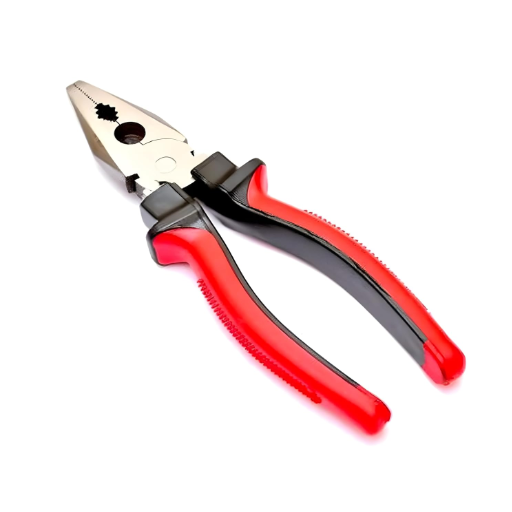
Lineman pliers, more commonly known as ‘combination pliers’, are a prevalent electrician tool because of their design and function. More often than not, these scissors have a strong hinge and jaws that do not get damaged easily; hence perfect for cutting wires, holding objects, and wringing cables. Tightening pivot mon joints and bushings considerably enhance their performance as line no cuts are made by wire rope—two points that, together, increase the efficiency of the current flow or transmission in the system. Modern lineman pliers feature high-carbon steel construction which makes them quite strong and will not wear easily even under intense work conditions.
Certain more sophisticated versions combine insulating handles with the necessary presses to meet the standards generally expected due to electric shock hazards up to some particular voltage level. In crane wheels, lathe cutting tool, some of them also have crimping or fish tape pulling capabilities. In many contexts, the convenience of the mechanic must be monitored with evaluations, like efficient cushioned handles and appropriate intervals between the handle and the grip area when it comes to repetitive executions. Multitool pliers are the staple tools of the electrical structure; displaying the ability to be durable and at the same time effective while in use.
2 Diagonal Cutting Pliers
Widely acknowledged as “cutters” due to structural properties, Diagonal pliers are highly adaptable and provide exact results consequently exclusive cutting of wires and small components. As opposed to conventional pincers, the front edges define the tip section of the cutting nodes and they are dislocated at an angle making it easy to make cuts just at the needed angle, without spoiling Сpne parts. Due to such improvements as using hard or hardenable carbon steel or their alloys which have excellent cutting properties, the tools generally have their blades significantly strengthened against corrosion and deformation.
This tool is used extensively by many industries, including Electricians, the building industry, and the telecommunications industry, since it has a wide range and is capable of slicing through any material, such as copper, aluminum, brass, and many include hardened steel wires. There is also a range of insulated models for professionals working around live cables to keep out dangers at standard power voltage. Also featured are compact lightweight designs that make them perfect for use in small areas where it is necessary to perform very precise cutting operations.
3 Needle Nose Pliers
Known as long-nose pliers the needle-nose pliers are different in more than the name. These are the necessary tool kits for any experienced technician and more so for working in an area where you have directive and limited space of the operation. These are usually made in the form of pliers with long, pointed jaws which work to a great level of precision and can be easily controlled hence they are common in tasks that involve electrical works, manufacture of jewellery and things to do with fine component. As for the evolution of these hand-operating devices, the present probably has a lot of variations. Most of them have fine ridges or serrated edges on the side facing one another ed to hold the workpiece tools, while the cutting knife at the terminal of the pliers, located close to the axis, serves to eliminate and cut the wires or strips.
4 Wire Stripper
A wire stripper is a necessary hand tool, intended primarily for removing the insulating layers from electrical wires carefully and effectively. The modern wire-strippers are provided with capability to remove insulation on a set of wire gauges, which are usually 10AWG to 20AWG present on that model. Many enhanced forms incorporate use of adjustable stops and rings so as to effectively remove the insulation without damaging the underlying wire, making it beneficial for the wire’s electric conductivity. The cutting edges in this case would normally be made of high quality steel which could be either high carbon or alloy steel types for that added strength and wear resistance.
There are also sets of handles specifically designed to accommodate the arduous pedestrian work that requires a combination of design techniques and factors such as slip-free surfaces. There are electricians and technicians who will appreciate the classical trims, so some models are equipped with them. In addition, their importance in safety and efficiency in carrying out agents electrical work is further as depending on stripping accuracy and material advancement.
5 Insulated Pliers
Insulated tools are a must-have for job cuts in electrical engineering to protect employees from electric shock, notably when handling equipment that uses live electricity or in situations that have potential for contact with electricity. These tools meet the set standards in the industry, e.g., ASTM F1505 or IEC 60900, certifying that they can be used safely with an electrical potential of up to 1000 volts. With high-dielectric handle coatings, these insulated pliers make it possible for increased insulation while still allowing the users to have a good grip.
In the modern era, it is not uncommon to find the new product designs aesthetically appealing, highly efficient, and very long-lasting due to the improvements in the use of the materials. A competent electrician, lineman, electric power utility technician, and any other professionals working in high-risk electrical installation and repair activities would have in place a working set of insulated pliers in order to successfully accomplish their tasks.
6 Slip-Joint Pliers
Adjustable devices bent in two places, pliers in forceps, are widely utilized hand gear designed to serve a number of purposes involving gripping and holding, and suitable for objects of any size. The fundamental part is a flexible point of rotation that can be modified so as to increase the jaw width and function adaptably. The over balanced hard work Pliers are made from high quality materials, with strength and resistance to abrasion provided by the materials, and exhibits handles designed for ease of use so that hand fatigue is minimized. As a matter of course these are used in specific cases such as holding a bolt or a nut, involving twisting or determining lengths for wire or keeping objects locked in their positions. With change in technology, gaps of slip joint pliers have been closed with better accuracy and improved grip, making them a must have tool for jobs in mechanical, construction and DIY sectors.
7 Cutting Pliers
Cutters, also referred to as side-cutting pliers, are a type of metalworking tool used to sever wires, push rods, and other components in a professional and precise manner. These tools are different from others due to incorporating the use of such a pivot point edge and cutting the wire at an angle with precision, even though minimal force can be exerted on the hands. The latest cutters are usually made of tempered steel or, in a few cases, from vanadium-chromium steel, and this makes them tough enough to resist enduring mechanical distortion. Surprisingly, whether it’s at a construction site or in some engineers workshop, as a whole, they can still cut without any problems one metal only. Over the years the design of the pliers has changed somewhat, with focus going into enhancing the comfort of users as well as making them more practical in cutting tasks, a feature of cutters that cannot miss in a toolbox.
8 Long Nose Pliers
Long nose pliers, also called needle-nose pliers, are tools used in careful detail work because of their very small adjustments and precision. They have jaws that are long and thin, making it easy for the user to reach to hard-to-reach areas and handle small components like normal used and fasteners in an assembly where nones is easily accessed. Made from a combination of case-hardened steel and either high carbon content or high-tensile alloy steels, needle nose pliers withstand in wear out even after many uses sometimes in tough environments. Features like teeth on the jaws for better grip are common in such tools which guarantee for holding onto objects without the fear of dropping them and causing breakages. Newer models of these tools have padding designed into their handles and some even have a league system in place to reduce strain with the an effort to increase efficiency to designing complex circuits , jewelry or restoring machines.
9 Best Locking Pliers
Vise-grips, known by their official name – locking pliers, are a handy piece of equipment meant for holding firmly materials, for clamping material, and even ensuring the material in position is held. The best locking pliers are made of high-grade steel thus can withstand a significant amount of pressure. Sophisticated locking systems can be adjusted to mete out the force with accuracy without the workpiece coming lose even in case it is circular or have an irregular shape. Many of the top-locking pliers are provided with adjustable pressing mechanisms, permitting the clamping force to be changed for every other operation, like in welding, automotive, woodworking, plumbing, etc. operations. In addition to these features, most products have a well contoured handle in order not to stretch more than necessary, whereas a number of them have a cutting tool, a wire cutter.
10 Best Pair of Pliers for Electricians
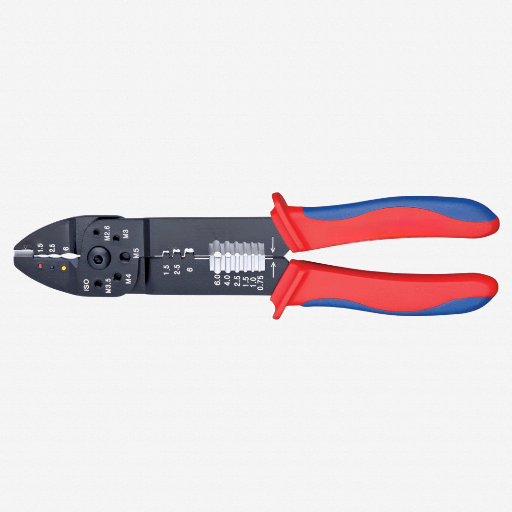
Efficient electricians prefer a reliable pair of pliers that are long-lasting, easy-to-use, and can confidently cater to their needs by twisting cables, preparing ends for terminals termination, or carrying out crimping operations, among other examples. Pliers for electricians ideally have an option to insulate the handles from high voltage and are generally constructed to conform to the safety and reliability standards set by IEC 60900 or ASTM. Famous examples such as 2139NEEINS by Klein Tools include cutting edges hardened via installation methods that inhibit most wear and tear thus sharper for longer use and handles designed to support grip and ease of using the pliers for longer duration.
The Knipex 09 12 240 also features all these functions up to including cutters, pliers and crimpers, at the same time replacing several tools with a single and well-constructed one. The tools are built from high-carbon steel, which means that durability is a non-issue, and also include features like extra holes at the base for hanging, which in turn will eliminate the risk of accidents in higher terrains. Electricians stand to benefit from some of them these tools have jaws which are machined to perfection, providing for grasp and tolerance by the tool making utilization of these handheld instruments possible in all functions of both residences and business entities.
Choosing the Right Pliers for Your Needs
A good place to start when seeking the best pliers is to set a job figure for oneself. When handling electric wiring, utilize three-in-one tools or such that incorporate cutting, holding and crimping functions. When need for perfection comes, the jaws of the pliers must be fine and this is the edge for high demand devising activities. As well as other factors, how long the tool will last should be considered—go for high carbon steel or any material that can be used for a long period. When the risk of dropping an instrument is high, particularly in areas above the ground, it might be necessary to consider the pliers with tethers on the handles or those with insulated handles. Always ensure that you choose a pair of pliers that fits the purpose for which it will be used in order to apply as an effective tool and optimize the work done.
Assessing Your Electrical Work Requirements
Actually understanding every section of the electronic project helps in making a good choice in tools and procedure during the job. The starting point should be the design of the project, whether it is domestic electricity, business or industrial wiring. Every case contains particular points such as honesty, burden so enforcing these ethics will help to determine the best practices of trade. Identify the particular equipment or elements that are to be used, such as circuit breakers, plugs, or light fixtures, in order to use the right tools and materials in the project.
Moreover, analyze and assess the situation in which the work will be executed. Consideration must be given to factors such as the ease with which the place can be reached, the probability of certain arrangements will withstand the moister, and hope for insulated tools and safety-rated gears will drive your readiness. Where it concerns most difficult assignments, to guarantee precision and reliability of the results, it is preferable to consult the most up-to-date regulations and code of practices covering electrical safety and performance. Good planning and a selection of suitable apparatus can greatly increase productive installation and reduce the potential danger associated with working on electrical systems.
Tips for Building a Comprehensive Toolbox for Electricians
1. Invest in Quality Hand Tools
Basic manual implements, including Phillips and flat head screwdrivers, pliers (with needle nose, side cutting, and insulated), and emery paper stripper, should be supplied to workers. Such tools are typically made from robust materials such as chromium vanadium steel which can sustain a good track record of service helping the cause over time.
2. Include Insulated Tools
Use of insulated tools subject to 1000 volts or lower is a must while addressing electrified elements to facilitate personal security. Insulated screwdrivers, pliers and nut runner may be used as an instance. Using these tools is efficient when ensuring that there is no contact with electrical current.
3. Multimeter and Testing Equipment
A digital multimeter is vital when it comes to taking the appropriate magnetic details regarding voltage, current and resistance. Other tools, such as a voltage detector and a continuity tester, are needed to identify which wire prevents electric shock and to ensure that the power has more continuity in the line. Look for devices that are certified in compliance with safety standards of IEC 61010 for safety.
4. Wire Management Tools
Keep the tools and cable oriented nature of its work, the toolbox also should consist of cutting, crimping and placing wire with the help of cable cutters, crimping tools, fish tape. The tools provided for markings of such installations include labeling tools such as the thermal label printer which as the name suggests is used to label the installation accordingly.
5. Conduit Tools
Conduit benders and reamers are required to carry out jobs with electrical conduits equally. Get corresponding tools for conduit that is most frequently used – EMT, for example – or PVC or rigid metal conduit tools as the case may be.
6. Power Tools
Industrial jobs, including electricians, generally require the use of power tools to perform a wide range of functions. With the right equipment, electricians do not need any physical help. They just need to plug in the cordless driver and/or hammer driver and these tools will do all the rest of the work.
7. Lighting Solutions
Inadequately illuminated areas require special attention for purposes of safety. These are likely sources of stress because of the cracks and spaces. For those reasons, LED work lights, as well as head lights, can be very essential since they will provide light in areas blocked by wells and boilers.
8. Fasteners and Consumables
Load your toolbox with a mix of screws, nuts, bolts, twist nuts, and a few zip ties. The availability of these items in an orderly manner will capably assist in executing some duties without any hindrance.
9. Storage and Organization
Employ toolboxes, tool belts or tote bags and various ways of storing tools and supplies in a reversible manner. More importantly, this discourages wasting time on the search for things in the storage area and enhances professionalism.
10. Personal Protective Equipment (PPE)
Without fail ensure availability of PPE such as arc flash equipment like gloves, goggles and arc flash suits certified as NFPA 70E for that level of exposure. Risk control also indicates that some duties requiring this PPE will be slowed due to the need to adhere to the NFPA 70E rules.
Reference Sources
1. “What Competences Do Maintenance Electricians Need?—A Mixed-Methods Study From Vocational College Graduates”
2. “The Assessment of the Provision of the Industry with Specialists in Electrical Engineering”
Frequently Asked Questions (FAQs)
How does a cutter feature rank among essential tools for electricians when selecting pliers?
When cutting through copper and/or aluminum wires, a sharp-edged or induction-hardened cutting blade is crucial so that the wire does not become unraveled. Most pliers do have some sort of a wire cutter while a heavy duty tool, like a ChannelLock or an Irwin, are most commonly recognized for their cutting durability. Working with pliers with induction hardened cutting edges, will make perfection of the tools high and establish permanent contacts among many electrical devices. When feasible, utilize a pair of cutting and crimping pliers that offers dual plier capabilities.
Which essential tools should be on every electrician’s list besides the top 10 pliers?
Electrical professionals, in addition to standard tools, also need high-quality flat screwdriver, voltage indicator, wire strippers, and even the accompanying line lug terminations of electrical installations must be properly terminated. In addition to large equipment and specialty tools, many electricians also employ portable and smaller tool sets in the independent and widely recognized designer-quality Klein, Milwaukee or Knipex line of tools to prevent the number of frequent customer return visits. Typically, tradesmen purchase tools online, ensuring they are user-friendly, well-constructed, and do not cause prolonged muscle strain.
Why are the best lineman pliers often listed among the best tools for professional electricians?
Of the various plier options available, lineman pliers ideally combine the best features of any plug-in, therefore they are extremely popular among electricians. Major brands Klein Tools and even lines of Knipex and Milwaukee for example are considerable for their lasting effect and the ability that the rim cutting edge has to outlast. It is no wonder electricians swear by their insulated lineman plier amidst all other tools to complete an electrical project of high complexity. On the other hand, when those pliers are properly maintained, they make it easy for electricians to make quality electrical connections in no time Napoleon once said.
How do essential tools for electricians, like crimping pliers, improve job quality?
When put to use with the relevant connector, crimping tools convey a discreet and offender’s involvement within the electrical circuit. You require a good set of crimping tools that come with some level of superiority so as they help you to properly compress the terminals for the two types of conductors, that is copper and aluminum. It is inevitable for professional electricians to include crimping pliers in their top 10 best tools list if they are to avoid mistakes, eliminate rework, and improve safety of the entire team in the course of work. A more balanced approach to various electrical duties is not going to be lost is linesman pliers and combination pliers are added to the pack.