
Innovations in Cordless Technology for Electrical Hand Tools
The way cordless tools transformed the field of work for professionals and enthusiasts alike can hardly be overemphasized or how this has helped to increase the productivity, convenience, and even precision in their activities. This can be attributed to the advancement of technology in many aspects such as Batteries, Motors, and hitherto the design of Cordless hand tools making them much better placed to perform just as good even if most times better than the corded tools. In this work we look at the developments shaping the industry today, starting with the last and most interesting will be cutting-edge lithium-ion battery where batteries with high capacity and longevity and low energy solutions are available as good reasons for mention. It is advisable to know what is trending in the construction tool world, since the information could help in picking the related tools which are better than the others.
Introduction of Cordless Electrical Hand Tools

In the world of home repairs and do-it-yourself, cordless power tools has changed the game drastically. Cordless power tools work without needing to be connected to the power outlets or have long wires running across the room. They have helped the workers who will have to get power from very far places where it will be difficult for them to have wired connections. Such characteristics relate well to power tools charged by high-capacity lithium-ion batteries for longer working hours, which is why they are seen as advanced cordless power tools. In the market of such devices, we also have brushless motors and advanced microprocessor management, that can be found in cordless drills. Such benefits are good for cutting tools as they provide the needed managing ability, movement and management work at the same time, for utility and professional users.
Overview of Electrical Hand Tools
Classifying electrical hand tools, also called hand-held power tools are a more effective approach aimed at fragmenting rather than classifying. The term includes many make and model combinations, such as Impact, Cordless and engine drivers, Drills, Grinders and Reciprocating, Jig, Circular and Miter saws. Despite all this, let us first focus on four of the most popular tools- power drills, reciprocating saws, grinders, and impact drivers.
🔧
Cordless Drill
A hand held power tool used for drilling holes and driving screws into materials among others, at different speeds and rates.
⚙️
Grinder
A power tool with a flat base used for removing material from the surface of the workpiece.
🔩
Impact Driver
Used to drive fasteners into hard materials with higher torque power especially for household installation.
These tools have become much more advanced these days with modifications like ergonomic designs to reduce the fatigue of users, integrated LED lights to enhance visibility, as well as speed operating levels to cater for different materials. So as to ensure that the cutting devices do not compromise with the safety of the user and the work being done, there are numerous safety measures including automatic motor cutoff systems and protection in excess used in the devices. Together with increased energy efficiency and reference to the global energy standards, discovering electric hand tools once again becomes a common factor, contributing to the point that electrical hand tools can not be omitted from professional or personal toolboxes.
Importance of Cordless Technology for Electrical Hand Tools
In electrical hand tools, battery technology has come as a game-changing and career-making achievement that is wholly beneficial to both professionals and other users. These new tools function without the need for cumbersome power stakes, so they allow for easier movement of the operators and this means they can efficiently complete work even where there are no power supply outlets nearby. Present-day cordless tools are equipped with the latest lithium-ion battery technology which offers a higher energy capacity, longer operational life, and quick recharging time unlike the previous devices with nickel-cadmium batteries. Moreover, some more recent models are provided with brushes that also help to keep the gadgets fully functional, hence, such units have more power, work for longer and perform for a longer period.
Enhanced comfort and cordless tools also become another factor in response to the growing demand of ergonomics and comfort of the users as it has been defined. The tripping hazards of the power cords have also been considerably removed by the reduction of the clutter in the workplace. At the same time, with advances in ultralight battery technology, machines can be hand-held easily for long periods of time. Especially with the invention of cordless tools and their receivers, which came with the idea of smart charging and energy control systems, accurate power distribution in longer than and bigger area projects is now possible, which improves the performance of the devices even in tough conditions. On the whole, the advancement of cordless tools has revolutionized the standards of effort, protection, and adaptability in recent work hand tools.
Types of Cordless Electrical Hand Tools
| Tool Type | Function | Key Features | Application Examples |
|---|---|---|---|
| Cordless Drill | Creates holes, drives screws | Variable speed, interchangeable bits | Woodworking, construction |
| Cordless Impact Driver | Drives screws with high torque | Compact, powerful, ergonomic design | Furniture assembly, heavy-duty tasks |
| Cordless Circular Saw | Cuts wood and other materials | Adjustable bevel, high RPM | Carpentry, framing tasks |
| Cordless Reciprocating Saw | Multi-purpose cutting for demolition | Tool-less blade change, variable speed | Demolition, pruning |
| Cordless Jigsaw | Makes precise, curved cuts | Adjustable speed, orbital action | Detailed woodworking |
| Cordless Angle Grinder | Grinds, cuts, and polishes materials | High-efficiency motor, multi-position handle | Metalworking, tile cutting |
| Cordless Sander | Smoothens surfaces by abrasion | Dust collection, variable speed options | Finishing, paint preparation |
| Cordless Nail Gun | Fires nails into wood or concrete | Lightweight, rapid-fire capability | Framing, decking |
| Cordless Heat Gun | Delivers hot air for various tasks | Adjustable temperature, compact design | Shrink-wrapping, paint removal |
| Cordless Combo Kits | Bundles of multiple cordless tools | Versatile, shared battery system | Comprehensive toolset for projects |
Advancements in Battery Technology
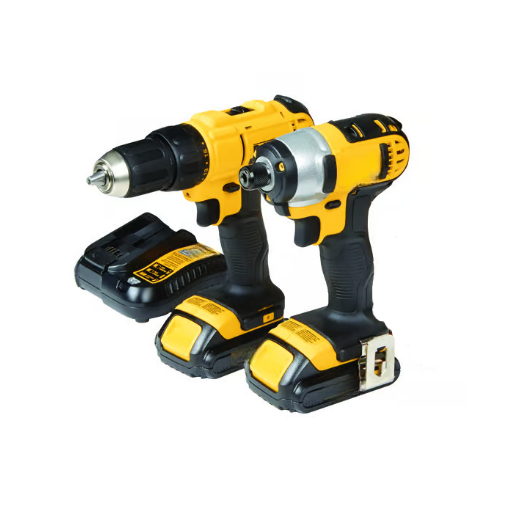
In the current battery and charging battery technology advancement benefit has to be seen in the performance capacity and usability of the line corded electric tools. In almost all ways the former, lithium-ion (Li-ion) rechargeable batteries, differ in many ways from the latter and are generally considered to be the best battery technology devices compared to stubbornly old nickel-cadmium ones (Ni-Cd) which are its leading contenders. Their good characteristics and efficiency will allow professionals and masters to use more powerful cordless tools and to increase the efficiency of the charge system. It is not surprising that in the current environmental conditions a wiser approach is that battery technologies and their applications have protective measures such as electrodes’ removal from the batteries’ design to avoid possible problems that come with warm battery, temperature issue and even powerful explosions or electrical fires.
Lithium-Ion Batteries: The Game Changer
⚡
Key Insight: Typically, lithium ion cells are able to support several hundred of charge cycles, and a few top definition batteries come as rechargable up to even over a thousand times which makes them both energy and earth friendly in the long perspective.
When it comes to power tools, the invention of lithium-ion batteries, superlight, high energy content batteries with high weight-to-energy ratio, low self-discharge and increased cycle count, are much better than even nickel-cadmium (Ni-Cd) and nickel-metal hydride (NiMH) consumer batteries. Such batteries can sustain near-linear voltage across the discharge cycle, which ensures operation at full capacity till the energy remaining with the battery is no more. Where capacities are concerned, the modern-day lithium-ion packs also come along with sophisticated thermal conditions and protection devices that aid in stopping overheating, over-current issues or deep discharge situations that really impacts the life of the battery.
It is a fact that lithium-ion batteries can usually endure several hundred charge cycles, and some top-tier brands can have over a thousand charge cycles under best conditions, which means that they are pretty affordable and eco-friendly in the long run. With the same, unique energy per volume ratio, manufacturers have had the opportunity to make lightweight, small tools to be designed fitting their power and introducing entirely a new aspect of applicability and stability, furthering the trends in their use, be it in industry or for persons.
Emerging Solid-State Battery Innovations
Lithium-ion solid-state batteries are energy storage units that are evolving in high-level technology with innovative construction and performance. Such batteries do not use liquid electrolytes in contrast to the common lithium-ion batteries, which contain a viscous paste that drips out like shaving foam. Solid-state batteries are comparatively safe in comparison with liquid electrolytes, because even if punctured or operated too hard, solid electrolytes will not react. These batteries provide even more power for longer durations as compared to the other types, allowing electronic devices and vehicles to either be used for a longer duration or be even more efficient. Additionally, these batteries work over a wider span of temperatures which contribute to durability in situations where there are extremely high or extremely low temperatures.
A lot of progress has been made in the field of solid-state battery technology, and recent attention has been paid to the modification of the components of these batteries, notably, materials such as lithium metal, and those based on sulphur which has led to ever smaller, less heavy and more efficient energy storage devices being designed. Significantly, more and more industries, such as the automotive and consumer electronics industry, are researching into the deployment of solid-state batteries, so as to prep for the near future when electric vehicles (EVs) and portable devices will be the norm. The world’s major manufacturers are assured that all-solid-state batteries with their inherent technical and financial advantages can cut down the charging time for these complex systems to a minimum and at the same time, double the service life of the present-day lithium-ion systems.
Multi-Voltage and Shared Battery Platforms
Battery systems with multi-voltage battery systems are revolutionizing modern electronic and automotive devices concerning their designs and capabilities. They help in overcoming compatibility issues across a wider variety of devices and applications by introducing several voltage levels on to a single platform. This ability in turn lessens the necessity for different sources of power enhancing the integration capabilities and efficiency as well. Likewise, it is noteworthy that common batteries encompass relevant implications in affected industries including power machines, consumer electronics, and motor cars. One feature observed in these systems is the use of batteries having modules that can be interchanged with other modules of exchanging products, which results in cost reductions and facilitates supply chain in the market.
The new wave of technology in the energy storage front has been keen in improving the efficiency of energy storage per kilogram as well as enhancing the durability of the battery, primarily towards high load bearing applications such as electric vehicle bolt development. It is observed today that the opportunities include lithium-ion and solid-state batteries considering that they possess power layers. Moreover, they always consider disposable gratification and sustainability issues such as design against electronic waste (e-waste), and no more than one battery is produced. These leading technologies reviews, have underlined the importance multi-voltage and shared battery platforms in an economy of global power consumption trends.
Integration of Smart Technology
The incorporation of smart technology to cordless power tools makes them more effective, secure, and convenient to use. For instance, they allow wireless connectivity hence enhancing interactions with the user’s gadgets thereby offering status and other information in real-time. Such sensors are crucial to minimizing errors as they ensure that given the resistance or toughness of material being worked with, the tool adjusts its speed or force to prevent any damages. In some cases, there might be specific configurations, that are preset by the end user for use in particular operations. Obviously, these progressive developments in technology captures every facet right from front end to the back end making work easier and more effective in diverse spheres of engagement.
Key Smart Technology Features
- Bluetooth Connectivity — Seamless pairing with smartphone apps for real-time monitoring and tool configuration.
- Performance Monitoring — Embedded sensors track motor temperature, rated power, and battery charge in real time.
- Predictive Maintenance — Intelligent algorithms detect early signs of wear and alert users before failures occur.
- Geo-Fencing — GPS/RFID-based boundary alerts that notify users when tools are moved out of authorized zones.
- Remote Lock-Out — Software-driven ability to disable tools remotely, preventing unauthorized use across large worksites.
Bluetooth Connectivity and App Integration
More and more modern cordless electrical hand tools are taking advantage of Bluetooth functionalities through which users are afforded even better control and monitoring that what is generally offered. By syncing with appropriate phone apps, cordless electrical hand tools can be programmed by the end user in so far as choosing a desired specification goes, be it look of ama, speed, power or mode with just a few taps on the screen. This kind of detail enables not only the specialization of tool functioning for a specific operation, but also the time saved due to the need to change configuration manually.
Moreover, the integration of software to conduct application provides the full potential for the machine section including advanced settings of the use of the battery, the tool, and the machine as a unit and their time of use, and it sharpens the life of the machine and reduces the chances of downtime occurrence. There are particular apps which as well enable the users to know where the workers are located. In such cases, if any tool is lost within a huge work station, the user takes advantage of the application by revealing it. This aspect of innovation helps recognize wireless tools as intelligent systems which turn out to be adaptable, efficient and what is more user centric.
Performance Monitoring and Predictive Maintenance
New cordless power and hand tools are equipped with an advanced performance monitoring system, which improves their operational efficiency through real time data acquisition. The power tools are fitted with sensors that send motor temperature, rated operating power, remaining battery charge and the user’s working pattern continually to a handstats block. The data that is generated is then analysed using intelligent algorithms that are able to detect faults, especially the ones that are likely to occur due to unusual conditions.
Application of these algorithms prolongs the application life of these devices significantly. In some instances analysis of sensor data may allow the prediction of potential wear-and-tear. This could allow for consideration of maintenance or part’s replacement in time prior to the occurrence of significant failure. For example, monitoring of the vibrations of an engine could lead to the attention of an endangering fault like misalignment or worn-out bearings which can be corrected before causing any downtimes. The implementation of these solutions not only minimizes interruptions but also assists in cost reduction and maintenance planning under aggressive business conditions. The introduction of these systems indicates the existing desire to merge errorless performance with easiness in software use technology and thus improve the availability and productivity of the construction, manufacturing, and other industries.
Security Features: Geo-Fencing and Remote Lock-Out
State-of-the-art cordless tools have many advanced security mechanisms and systems, such as geo-fencing and remote lock-out, which help in preventing asset consumption and untraceable loss. This concept is used in interest based operational processes of the tools and is formed with the help of GPS signals or RFID. The system can notify the user when equipment is moved beyond a certain limit and, of course, shut it down if found to have been causing theft or violating of the principle, thus preventing it from being stolen or unauthorized possession itself.
Further adding to this framework, a provision for remote lockout has been incorporated. Remote lockout can be done on software platforms to disable machinery en route somewhere or when there is no physical access through digital means. This is an important aspect in avoiding unwanted use of the machines in a work area and it is particularly bullseye in large scale worksites. Inspecting this equipment constantly also parts them from similar methods which are only effective when equipment is in place but not in motion. With the help of the above components, even centralized control of the tools can be effectively established. The use of such systems essentially is a confirmation that tool security remains the paramount concern of all industries even with working hard to deliver quick and effective results outside the work station.
Brushless Motors and Enhanced Efficiency

The world of cordless electric hand tools has been completely turned on its head with the upgrade to brushless motors. This shift sees a vast enhancement in efficiency, durability and quality in contrast with the brush motors where there are physical brushes. There is consequently less chore for the user in maintaining these drills. Since the friction and corrosion of the brushes has been wholly eliminated, these outrun the brushed ones in terms of dependent life span and even in power readiness. Another advantage in terms of energy consumption is the brushless motor which is lighter on the battery of the power tool allowing it to run for a longer period of time.
✅ Brushless Motors
- Higher energy efficiency
- Longer battery life per charge
- Lower maintenance needs
- Better heat management
- Up to 3× longer lifespan
- 30% faster torque delivery
⚠️ Traditional Brushed Motors
- Physical brush friction reduces power
- Higher heat generation
- Regular brush replacement needed
- More electrical noise
- Shorter operational lifespan
- Lower torque efficiency
Benefits of Brushless Motors Over Traditional Motors
An advantage within the use of brushless motors is that their efficiency is higher compared to their traditional brushed motors because brushes and commutators add friction which is eliminated while using brushless motors. This causes no power wasting and hence more power is converted to useful power. Also the design has high reliability as compared to the traditional motor. However, the brushless motor can operate at the high speed control with almost no change in speed after variable pitch adjustment thanks to advancements in speed control electronic systems which are not as prone to physical wear.
A significant advantage of brushless motors is that they have minimal chances of break down due to the fact that they are almost maintenance-free. Thus, clients are able to cover a longer period of time in goal attainment with the least number of tools taking much time to repair, a concept often called downtime. This way labor is maximized and can be easily seen to be translating into more productivity per unit of time. The situation is also made further appealing when there are no carbon brushes as it clears the risk of electrical noise considered when handling any kind of equipment.
Under heavy load conditions, brushless motors are suitable, because they have been created in a way that heat levels remain low. This results in a lower chance overheating, a frequent problem experienced with conventional brushed motors. Moreover, they are made of solid state technology, which is associated with fewer wear-out mechanisms, hence a more tough construction that can withstand harsh conditions without deteriorating performance-wise.
Increased Power and Torque Capabilities
An enticing aspect of brushless motors is the optimized conversion of electricity into mechanical work compared to brushed motors when employed in the cordless power tools. Traditional brushed motors differ from brushless motors in that the latter uses control electronics to keep the current supplied to the windings in check. This capability allows better matching of motor load to the source of electrical energy and hence even greater torque levels in high resistance applications.
Research studies from the past also suggest attainment of the maximum torque is possible about 30% quicker with brushless motors as compared to brushed motors without dissipating substantial electrical energy as heat. This kind of efficiency also results to the extension of the life cycle of the battery hence providing the tools with more use time per a single charge. This is as the cordless tools available with brushless motors are not only high performing but guarantee maintenance of power requirements during heavy workload situations equal to what is expected of professionals.
Longevity and Reduced Maintenance Needs
In the evolution of cordless electric tool design, the brushless motors rate highly in the manner in which they are efficient, long life and require a low to zero maintenance. In stark contrast to the ordinary motors, which use brushes as a mode of transferring power which results in non-contacting position of physical brush comparator. This shocking form of the motor is developed to eliminate collection of particles and friction which contributes to the mending of the motor. In addition, the skill of exact speed and torque control in brushless attempts ensures that there is minimal stress on the mechanical screws causing the tools to be operated for a long time without breakdowns.
Motor innovations that have come up in recent years have seen the emergence of different kinds of materials of greater quality and cooling components that enhance the overall life and dependability of brushless motors. As shown in studies, the brushless tools are proven to last three times more than their brushed varieties and would be better off for those who use them for a lot of work because they are always in good order. It is important to note that reduced maintenance will save some money when it comes to the overall cost of maintaining usage of a tool and also keep the amount of ‘off time’ at a minimal, hence increase the amount of production available in hard working environments. Such progress, obviously, makes it easy to see the robustness and profitability of brushless motors in the context of current cordless tools.
Expanding Applications of Cordless Tools

In the markets when there are new tools for it, such as very efficient batteries, very convenient the shape of the tool due to the way hands work negatively and the application of cordless tools is currently a must. These tools are actively applied in various areas including construction, automobile repair, carpentry, metal processing, and others. For example, very manageable and versatile cordless impact drivers and wrenches are needed in carrying out activities that require tremendous force, putting large structures together or operating in areas where access is limited and the horizontal and vertical restrictions are very high. In many cases, more advanced saws, drills, and polishers do not require professionals to be close to a power supply and consequently are more efficient.
Cordless Tools in Construction and Industrial Settings
The construction and industrial sectors have a lot that has changed in construction and other operations due to the rise in battery technology, but with lithium-ion batteries being a huge opponent, they have become a game changer in the industrial cordless tools. These types of battery are known for their power energy storage, low discharge capacity and their ability to withstand hundreds of charging cycles with little or no loss in capacity. To be more specific, improved tools can be powered on for numerous hours as it is on lithium-ion batteries for such intense operations like metal drilling or concrete sawing.
To supplement this, the use of rapid charging technologies also helps shorten the time taken for employees to recharge the batteries. These developments more specifically include ‘intelligent battery management systems’ which enable the assessment of charge and temperature levels in real time making them indispensable for system performance. Here it is also worth mentioning that these steps not only lessen the reliance on fossil-fuel based energy sources but also the enhance the scale of productivity and operative dexterity in work environments that experience rapid activity.
Revolutionizing Outdoor Equipment with Cordless Technology
Revolution in design and application of cordless wood working tools due to the adoption of engineering principles and the latest technologies. Examples include the advances seen in brushless motors that greatly enhance efficiency enables them to wear less and hold a great potential for prolonging the life as well as power output of such equipment. In addition these inbuilt lithium batteries with large storage capacities further extend the time system can be used without any loss of power or any other relevant performance related issue. In addition, some applications incorporate variable power settings to help users increase tool output and decrease power consumption with a view to energy management and secondary use of batteries for as long as possible. The use of smart sensors and other external controls also encourages safe operation of equipment in different environments which enables a cordless system to be more practical in carrying out various activities outside.
Multi-Tool Systems for Versatility
Modern technologies are combining tools that optimize catering that in previous years were used differently or separately. The key to all these seamless families is that they all use one type of battery. The disadvantage with power tools of previous generations was the organizing to put a separate generator to power each machine. Specifically, the efficiency of lithium-ion battery has greatly improved leading to higher energy storage capacity and recharging times while also reducing malfunction and waste.
In addition, these systems have layers that make them easy to work with even more complicated instruments such as screwdrivers or hammers other external elements (such as gardening tools). All this attests to the fact that those products can be upscale distributed to both expert builders and average people. For example, analysis based on a single accusation battery means fewer wear and fittings as well. This combination also decreases wasted generating obsolete electrical accesses.
Taking into account that this equipment is crafted with interchangeability of parts, as well as the simplicity is able to come up the levels of usage to the power said developments in turnell technology cannot be ignored as they offer practical use.
Frequently Asked Questions (FAQs)
Reference Sources
- Survey on 6G Frontiers: Trends, Applications, Requirements, Technologies, and Future Research
Read the abstract here → - The Emerging Sectors, Trends, and Technologies Shaping India’s Vision
View the document here →