
Best Hand Saw for Woodworking: Top Picks for Every Project
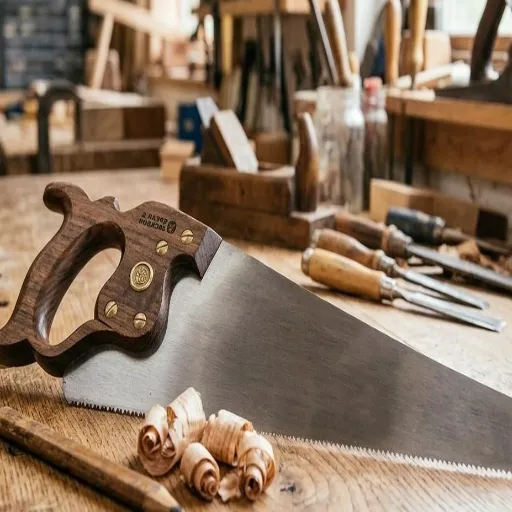
The best hand saw for woodworking is a Japanese pull saw, and for most projects the Suizan 7-inch Ryoba is the strongest all-round pick because its double-edged blade handles both rip and crosscut work with a clean, thin kerf. For precision joinery like dovetails, a dozuki or a quality Western dovetail saw is the better choice. The right pick depends on the project, so below we match specific saws to specific woodworking tasks.
Every woodworker knows the moment: you pick up a saw that “should work,” start a cut in nice walnut, and watch the blade drift. The kerf wanders, the line gets ragged, and the board you planned for a drawer front becomes scrap. That frustration is not your technique. It is a mismatched tool. Choosing the best hand saw for woodworking matters more than almost any other hand tool purchase, because the saw defines how accurately your joints fit and how much wood you waste.
This guide walks you through the top hand saws by project, explains TPI and blade materials in plain terms, and includes a material selector table so you can match saw to stock in seconds. Whether you are a hobbyist building your first dovetail or a distributor stocking saws for a retail line, you will know exactly what to buy and why. For a broader look at every saw category and how to compare them, start with our complete hand saw buying guide.
Key Takeaways
- A Japanese pull saw, especially the Suizan 7-inch Ryoba, is the best all-round hand saw for woodworking thanks to its thin kerf, dual rip/crosscut edges, and easy control.
- For dovetails and tenons, buy a dedicated saw: a dozuki for Japanese-style joinery or a Western dovetail saw like the Veritas for traditional work.
- Match TPI to the material: 7–10 TPI for ripping hardwood, 10–15 TPI for crosscutting, and 20+ TPI for fine joinery.
- Impulse-hardened teeth stay sharp longer but cannot be resharpened; plan for blade replacement after roughly 50–100 linear feet of cutting in hardwood.
- No review site covers factory-direct sourcing, so buyers and distributors should source woodworking saws from an established hand saw manufacturer to control cost and quality.
How to Choose a Hand Saw for Woodworking
Before we get to specific picks, you need three decisions: push or pull, how many teeth, and what blade steel.
Pull (Japanese) vs. Push (Western): The Decision That Matters
Western saws cut on the push stroke. That puts the blade in compression, so the steel must be thick and stiff to avoid buckling. The result is a wider kerf and more effort. Japanese pull saws cut on the pull stroke, which holds the blade in tension. That allows a much thinner blade, down to about 0.3 mm, so the kerf is narrow, cuts are cleaner, and tear-out drops dramatically. In tests, Japanese saws produced roughly 40% less tear-out than Western saws in hardwood.
The tradeoff: a thin pull saw kinks if you force it, and it loads up faster in dense stock. Most serious woodworkers keep one of each, a hybrid kit that costs under $100 total. For furniture and cabinet work, pull saws win. For breaking down thick lumber fast, a Western rip saw is hard to beat. Our Japanese pull saw guide covers the pull-saw options in depth.
TPI: What the Number Means
TPI stands for teeth per inch. Lower TPI removes material fast but leaves a rough surface. Higher TPI cuts slowly and leaves a smooth edge. As a rule:
- 4–7 TPI: rough ripping and fast stock removal
- 8–12 TPI: general crosscutting of boards and framing
- 10–15 TPI: clean crosscuts in hardwood
- 15–20 TPI: finish cuts and joinery
- 20–30 TPI: dovetails and fine detail work
Many Japanese saws list two numbers, like 9/17 or 17/25. The first is the rip side, the second is the crosscut side, so a double-edged saw covers two jobs at once.
Blade Steel: SK5, High-Carbon, and Impulse-Hardening
Most good saw blades use high-carbon steel (often 65Mn) or Japanese SK5. On quality saws, the teeth are impulse-hardened, which hardens just the tooth tips for long edge life. The catch is that impulse-hardened teeth cannot be resharpened by hand; when they dull, you replace the blade. Traditional Western saws with unhardened teeth can be sharpened and will last for decades.
Best Hand Saws for Woodworking by Project
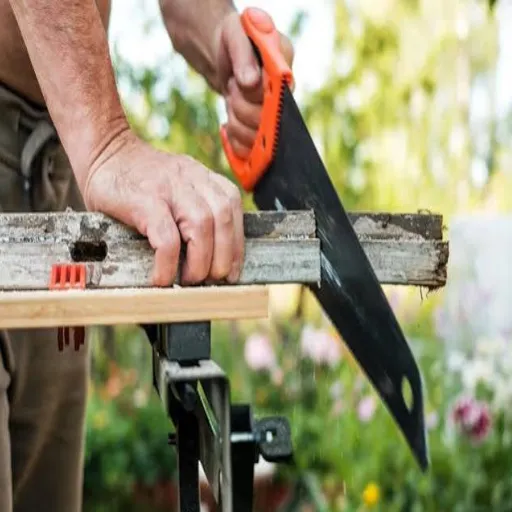
Now the part you came for. When you search for the best hand saw for woodworking, what you actually need is a saw matched to the work. These picks are organized by project so you can buy the right tool for the work you actually do.
Best for Joinery and Dovetails: Veritas Dovetail Saw
For tight, repeatable dovetails, the Veritas Dovetail Saw is the reference pick. It cuts on the push stroke with a 0.025-inch-thick blade and a stiff brass back that keeps the cut dead straight. Typical spec: 14–20 TPI, 10-inch blade, and a comfortable handle that works for both bench work and carcases. At around $85 it is not cheap, but it is the saw you will reach for on every joint-heavy project.
If you prefer Japanese-style joinery, the Suizan Dozuki (about $25–$42) is the value pick. Its thin kerf and 25 TPI cut glass-smooth baselines that need almost no chisel cleanup. For a full comparison of options, see our dovetail saw guide.
Best for Tenons and Cabinetwork: Tajima JPR-265
Tenons demand a saw that tracks straight over a longer cut. The Tajima JPR-265 pull saw is a 10.4-inch pull saw with 17 TPI and a slim body that is easy to control. Because it cuts on the pull stroke, you can start the shoulder cut precisely and follow the scribe line without the blade flexing. At $40–$60 it sits in the sweet spot between budget and premium.
For Western tenon work, a traditional tenon saw with a rigid spine is the classic tool. Fine Woodworking has a detailed review of the Bad Axe No. 9 precision tenon saw if you want a premium reference.
Best for Crosscutting Boards and Hardwood: Veritas Carcass Saw
Crosscutting hardwood boards square and clean is the most common furniture task. The Veritas Carcass Saw uses 15 TPI and a 14-inch blade, and it cuts on the push stroke with enough weight to drive through oak or cherry without chatter. It costs about $95, which is justified if you build furniture regularly. For a cheaper option, a crosscut panel saw at 10–12 TPI does the same job with a slightly rougher finish.
Best for Ripping and Dimensioning Lumber: Bahco 244
Ripping boards to width calls for a saw that removes material fast and tracks a line. The Bahco 244 first-fix saw has a 22-inch blade at 7 TPI, and it is a favorite of carpenters for breaking down framing and rough stock. Expect to pay $30–$45. Because ripping with the grain is hard on thin blades, the stiff Western profile here is an advantage.
Best for Curves, Coping, and Trim: Coping Saw
For curves and interior cutouts, a coping saw is the workhorse. It uses a thin blade in a tension frame, so you can turn sharp corners and cut waste from joints. Any decent coping saw with a replaceable 6.5-inch blade at 15–24 TPI will do; look for a frame that holds tension without twisting. For a buyer’s view of the different saw families, our hand saw types guide breaks down when each one earns its place.
Best Japanese Pull Saw for Furniture Makers: Suizan 7-Inch Ryoba
If you want one saw that does most of your furniture work, the Suizan 7-inch Ryoba is it. The double-edged blade gives you a crosscut side and a rip side, and the pull action cuts cleaner than most Western saws with far less effort. Bob Vila’s tested review named it best for woodworking, and it is our top all-rounder too. Replacement blades are cheap, which matters because impulse-hardened pull-saw blades eventually dull. Expect $32–$39.
Best for Beginners: Budget Pull Saws
New woodworkers should start with a forgiving pull saw. The Irwin 6.5-inch pull saw costs about $15 and teaches you clean-cutting habits without a big investment. The Suizan 7-inch Ryoba (above) is the upgrade path most beginners end up buying, so starting with it directly saves money in the long run. For a detailed look at beginner-friendly options, the This Old House guide to the best hand saws is a solid reference.
Best Premium Picks for Serious Woodworkers: Lie-Nielsen Dovetail Saw
When cost is not the constraint, the Lie-Nielsen Dovetail Saw is the benchmark. It uses 18 TPI in a 10-inch blade with an ebony or pear handle, and every example is hand-tuned at the factory. At $120–$130 it is a tool that can be resharpened and will outlive its owner. If you want the absolute best, this is it.
Hand Saw TPI Guide by Wood Type
This table maps the material you are cutting to the saw type, TPI, and blade length that will give you a clean result. Use it as a quick reference at the bench or when sourcing saws for a product line.
| Material / Task | Recommended Saw | TPI Range | Blade Length | Why It Works |
|---|---|---|---|---|
| Softwood/framing lumber | Rip saw or universal panel saw | 4–7 | 20–26 in. | Fast stock removal for rough cuts |
| Hardwood boards | Crosscut panel saw | 10–12 | 20–26 in. | Clean edges across the grain |
| Plywood/sheet goods | Crosscut panel saw (fine) | 10–14 | 18–22 in. | Reduces tear-out on veneers |
| MDF / particle board | High-TPI crosscut saw | 10–14 | 18–22 in. | Smooth, sealed edge |
| Trim/molding | Second-fix crosscut saw | 11–14 | 14–18 in. | Clean finish, less splintering |
| Dovetails/joinery | Dovetail saw or dozuki | 14–20 | 6–10 in. | Precision and thin kerf |
| Veneer/laminates | Japanese pull saw (ryoba/kataba) | 9–17 | 7–9.5 in. | Minimal splintering |
| Curves/coping | Coping saw | 15–24 | 6–7 in. blade | Rotating frame, replaceable blade |
| Green wood/branches | Bow or pruning saw | 4–8 | 12–18 in. | Aggressive tooth set |
What TPI do I need for hardwood? For ripping hardwood with the grain, use 6–10 TPI. For crosscutting hardwood, use 10–15 TPI. For fine joinery in hardwood, use 20–25 TPI. Hardwoods always want finer teeth than softwoods of the same thickness.
Japanese Pull Saw vs. Western Push Saw for Woodworking
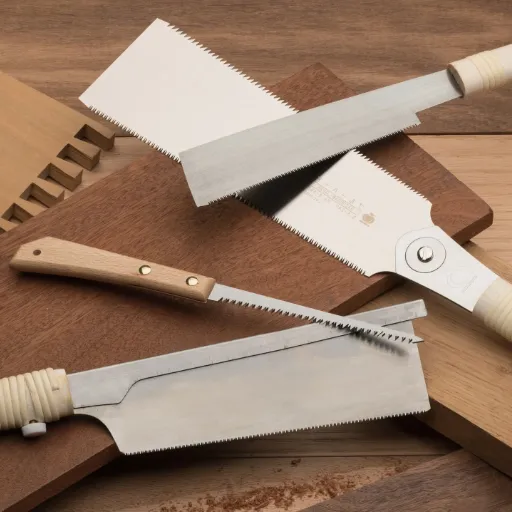
This is the fork in the road for most buyers, so it deserves a straight answer.
Choose a Japanese pull saw when: you do furniture, cabinets, joinery, or any fine finish work. The thin kerf wastes less wood, cuts start exactly where you place them, and the pull stroke is easier to control. It is also the better choice for beginners because it is forgiving.
Choose a Western push saw when: you break down thick lumber, frame with rough stock, or prefer a heavier tool that cuts aggressively. Western saws also suit anyone who wants to sharpen their own blades and own a tool for decades.
Many professionals run both: a pull saw for joinery and a Western rip saw for breaking down stock. That combined setup costs less than $100 and covers nearly every woodworking situation. For the full mechanics and the head-to-head data, Stumpy Nubs ran a controlled push vs. pull saw test that is worth reading.
Sourcing Woodworking Hand Saws for Your Business
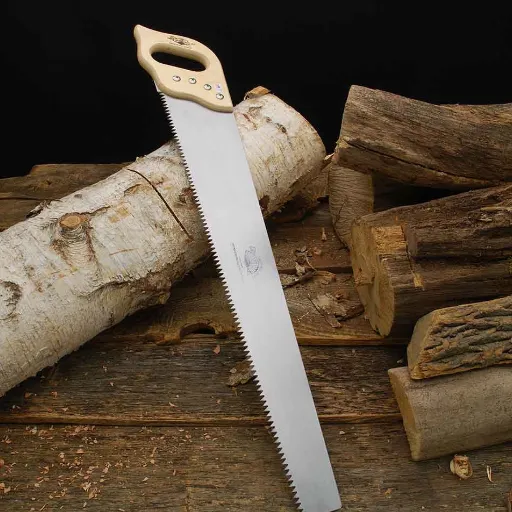
Most “best saw” guides stop at retail. For distributors, brand owners, and workshop managers, that leaves a gap: retail prices carry brand markup, and no retail listing tells you the steel grade or the hardening process behind the blade.
When you source woodworking hand saws for a product line, ask four questions:
- What steel grade? High-carbon 65Mn or Japanese SK5 indicate a serious blade. Lower-cost saws often use softer steel that dulls quickly.
- How are the teeth hardened? Impulse-hardened tips last longer out of the box; fully hardened blades that can be resharpened suit pro users.
- What is the MOQ? Flexible minimums let you test a small order before committing to volume.
- Can you private label? OEM branding and custom packaging let distributors build their own saw line without owning a factory.
Factory-direct sourcing removes the middleman markup, which directly improves your margin. The global hand tools market is sizable and growing, driven by professional use and e-commerce channels, so there is room to build a dedicated saw range.
Frequently Asked Questions
What is the best hand saw for woodworking?
For most woodworkers, a Japanese pull saw is the best choice because it cuts on the pull stroke with a thin blade that produces a clean, narrow kerf. The Suizan 7-inch Ryoba is the strongest all-round pick, covering both rip and crosscut work for around 32–32–39.
What is the best hand saw for beginners?
Beginners should start with a forgiving Japanese pull saw. The Irwin 6.5-inch pull saw at about $15 is the budget entry point, and the Suizan 7-inch Ryoba is the upgrade most beginners end up buying, so many skip straight to it.
What TPI do I need for hardwood?
For ripping hardwood, use 6–10 TPI. For crosscutting hardwood, use 10–15 TPI. For fine joinery in hardwood, use 20–25 TPI. Hardwood always wants finer teeth than softwood of the same thickness.
Should I get a Japanese pull saw or a Western push saw?
Get a Japanese pull saw if you do furniture, cabinets, or joinery and want clean cuts with easy control. Get a Western push saw if you break down thick lumber or prefer a heavier tool. Many professionals keep both for under $100 total.
What is the best hand saw for dovetails?
For traditional push-style dovetails, the Veritas Dovetail Saw is the reference pick at about $85. For Japanese-style joinery, a dozuki like the Suizan Dozuki cuts glass-smooth baselines for about $25–$42.
Can you sharpen a modern hand saw?
Impulse-hardened saw teeth cannot be resharpened by hand; replace the blade when it dulls, usually after roughly 50–100 linear feet of cutting in hardwood. Traditional high-carbon Western saws can be resharpened and will last for decades.
Is a hand saw better than a circular saw?
It depends on the job. A hand saw is quieter, safer, cheaper, and more precise for joinery and small cuts. A circular saw is faster for long rips and breaking down sheets. Many workshops use both.
Conclusion
The best hand saw for woodworking is not a single tool. It is the saw that matches your project: a Japanese pull saw for clean, controlled cuts; a Western rip saw for rough stock; and a dedicated joinery saw for dovetails and tenons. Match TPI to the material, buy a blade with real high-carbon steel, and budget for blade replacement if you choose impulse-hardened teeth.
If you are buying for yourself, start with the Suizan 7-inch Ryoba and add a dovetail saw as your joinery skills grow. If you are sourcing for a business, skip the retail markup and work directly with a hand saw manufacturer that can quote OEM branding and flexible MOQs.
Whatever you build, the right saw will pay for itself in straighter cuts, less waste, and joints that fit the first time.
Ready to stock or build a saw line? Contact us for factory-direct pricing and OEM options →