
Dovetail Saw Buying Guide: How To Choose The Right Saw For Joinery
The best dovetail saw for most woodworkers is a ~15 TPI Western push saw like the Veritas or Lie-Nielsen for furniture-grade work, while a Japanese dozuki is the better pick for beginners and anyone who wants a thin, clean kerf with less effort. The right choice comes down to four decisions: push vs pull, TPI, blade length, and handle. This guide walks through each so you can buy with confidence instead of guessing.
Walk into any serious workshop and you will see the same thing: a dovetail saw hanging where it is easy to grab. There is a reason. The dovetail is the joint people judge furniture by, and the saw is what makes it possible. But a beginner standing in front of a wall of saws faces a wall of confusion. Push or pull? 14 TPI or 20? Brass back or steel? It is easy to overpay or buy the wrong tool, then blame your hands when the cut wanders.
This guide cuts through that noise. You will learn exactly what makes a good dovetail saw, how Western push saws compare with Japanese dozuki saws, how to match TPI to your stock, and what to look for when one arrives at your door. Whether you are building your first hand-cut dovetail or sourcing saws for a product line, you will finish knowing exactly what to buy and why. For a broader look at every saw category, start with our complete hand saw buying guide.
Key Takeaways
- A dovetail saw is a small backsaw with a stiff spine and fine rip teeth, made specifically for cutting the cheeks of dovetail joints.
- Western push saws (around 14–15 TPI) track a line well in hardwoods and can be resharpened; Japanese dozuki saws cut on the pull with a thinner kerf, start easily, and use replaceable blades.
- Match TPI to stock: 14 TPI for 1/2″–3/4″ wood, 20 TPI for 1/2″ and thinner; keep at least 5–6 teeth in the cut at all times.
- Buy with a comfortable handle and the right hang angle; most woodworkers prefer a 9″–10″ blade for the balance of reach and control.
- No review site covers manufacturing quality or factory-direct sourcing, so check a new saw for a straight spine and even set, and source wholesale from a hand saw manufacturer to control cost.
What Is a Dovetail Saw?
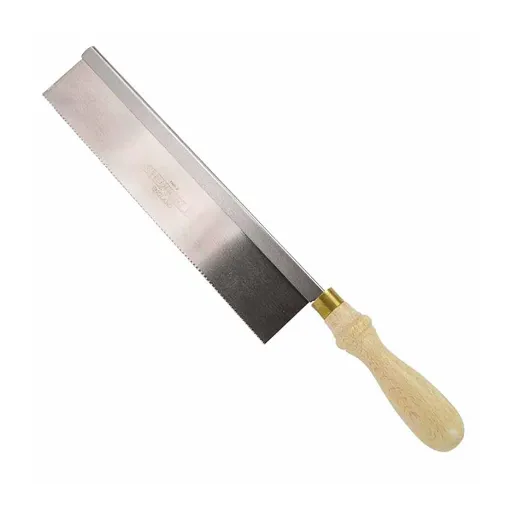
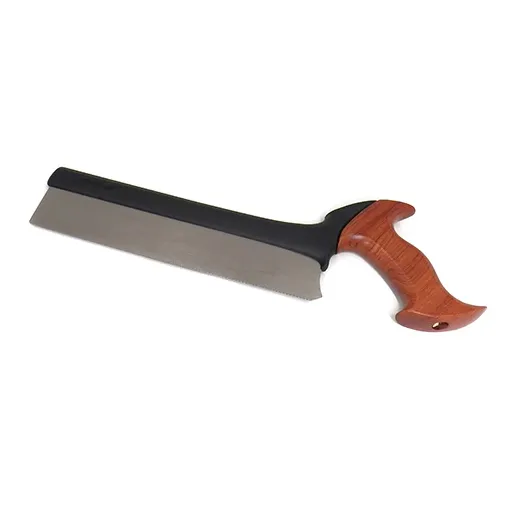
A dovetail saw is a small backsaw with a rigid spine that prevents the blade from flexing and fine rip-filed teeth designed to cut along the grain. It is used to cut the angled cheeks of dovetail joints, which are the flared tails and pins that lock drawer and box corners together. Because the cheeks run parallel to the grain, a dovetail saw is filed as a rip saw: the teeth act like tiny chisels that slice the fibers cleanly instead of scraping them.
The defining feature is the back. A heavy brass, steel, or composite spine stiffens the thin saw plate, so the blade stays dead straight through the cut. That rigidity is what gives a dovetail saw its signature control, and it is why a dovetail saw is not just a small handsaw. It is a precision instrument for joinery.
Dovetail saws belong to the backsaw family, which shares that stiff spine. Here is how the main types fit together.
| Saw type | Typical TPI | Best for |
|---|---|---|
| Dovetail saw | 14–20 | Cutting dovetail cheeks and pins |
| Tenon saw | 10–15 | Cutting tenon shoulders, larger joinery |
| Carcass saw | 14–16 | Cutting the sides of joinery, general furniture work |
| Gent’s saw | 20–24 | Small, fine work with a straight handle |
| Dozuki (Japanese) | 20–25 | Pull-stroke dovetailing and fine joinery |
Each has a different job. As a backsaw for dovetails specifically, a fine-tooth saw in the 14–20 TPI range is the sweet spot, and shunTool’s guide covers the tooth geometry and blade metal behind that choice in detail. To understand how the whole backsaw family fits into hand saw selection, see our hand saw types guide.
Dovetail Saw vs Dozuki: Western Push vs Japanese Pull
The biggest decision you will make is stroke direction. Western dovetail saws cut on the push stroke. Japanese dozuki saws cut on the pull stroke, which holds the thin blade in tension and changes almost everything about the feel of the cut.
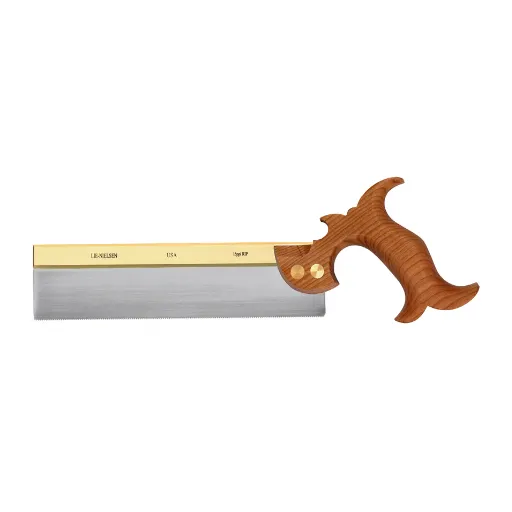
A Western saw’s plate must be thick and stiff because it works in compression. That stiffness helps the saw hold a line in hardwoods, where a thin pull blade can wander or follow the grain. The tradeoff is a wider kerf and a heavier, more deliberate stroke. On quality Western saws like the Veritas and Lie-Nielsen, the thicker plate also means the tool can be resharpened for decades of service.
A dozuki’s blade is thin, sometimes under 0.5 mm, because tension keeps it straight. The kerf is much narrower, so less wood is removed, cuts start easily, and tear-out drops noticeably. The catch: dozuki teeth are hardened and cannot be resharpened. When they dull, you replace the blade. In dense hardwoods, the fine teeth are also more fragile and can break if forced.
| Feature | Western dovetail saw | Japanese dozuki |
|---|---|---|
| Stroke | Push | Pull |
| Kerf | Wider | Thinner, cleaner |
| Blade | Thick, stiff, resharpenable | Thin, replaceable |
| Starting a cut | Takes practice | Easy, even for beginners |
| Line tracking in hardwood | Excellent | Can wander |
| Best woods | All, especially hardwood | Softwoods and thin stock |
| Learning curve | Steeper start | Gentler |
Woodworkers disagree about which is better, and the honest answer is that both work well and skill matters more than the saw. On Fine Woodworking’s forums, experienced joiners recommend trying both before committing, and LumberJocks threads cover the same debate from the bench. Many serious woodworkers own one of each and switch by project. If you want the full picture on pull saws, our Japanese pull saw guide covers the dozuki and its pull-saw relatives in depth.
Dovetail Saw Tooth Geometry: TPI, Set, and Kerf
Once you pick a stroke, the specs decide how the saw behaves. The three numbers that matter are TPI, set, and kerf.
What TPI Do I Need?
TPI stands for teeth per inch. Lower TPI cuts fast but rough; higher TPI cuts slow and smooth. Dovetail saws usually run 12 to 22 TPI, with 14 to 20 being the practical range. Around 15 TPI is the most common recommendation for general furniture work, while 20 TPI suits very thin stock and small box components.
Match the saw to the wood you cut most:
- 14 TPI: general furniture work in 1/2″–3/4″ stock
- 15 TPI: the all-around pick for most dovetails
- 20 TPI: thin stock, 1/2″ and under, and small parts
A useful rule of thumb is to keep at least 5 or 6 teeth in the cut at all times. A 15 TPI saw handles stock as thin as about 6 mm before the cut starts to catch. For most makers, a 14 or 15 TPI saw is the better first purchase than a 20 TPI, unless you plan to build lots of thin-sided boxes.
Minimal Set and a Thin Kerf Matter
Set is the slight bend given to each tooth, alternately left and right, so the blade does not bind. Dovetail saws use minimal set, often just a few thousandths of an inch per side. Less set means a thinner kerf, a tighter line, and less chisel paring to clean up the joint. On a quality saw, the set is even and tiny, and that is a big part of why it cuts straight.
Blade Material and Rigidity
Most good dovetail saw blades use high-carbon steel. Premium Western saws and quality dozukis use heat-treated steel that holds an edge through a long session. The spine must match: a heavy brass back on a Lie-Nielsen, a folded steel back on a Veritas, a rigid steel spine on a dozuki. If the spine flexes, the cut flexes. For a factory view of what steel grades to specify and how blades are hardened, see our hand saw manufacturer guide.
How to Choose a Dovetail Saw: Blade Length and Handle
Specs do not end at the teeth. Blade length and handle shape have as much to do with comfort and control as TPI.
Blade Length
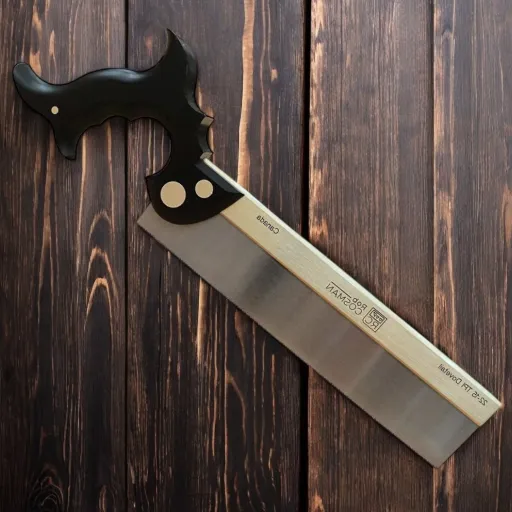
Dovetail saw blades run about 6″ to 12″. Most woodworkers prefer 9″ to 10″ (225–250 mm), which gives a comfortable stroke without feeling unwieldy. A longer blade means fewer strokes and faster cutting in thicker or harder wood, but it takes more effort to control. A shorter blade is more maneuverable for detailed work, which is why smaller dovetail saws have become popular as makers chase finer kerfs.
Blade depth matters too. Most dovetails are less than 25 mm deep, so a saw with roughly 30 mm of tooth exposure is usually plenty. Match depth to your deepest joint and you avoid fighting a blade that is either too shallow or awkwardly deep.
Handle and Hang Angle
Experienced woodworkers often say the handle matters as much as the blade. The grip angle, or hang angle, should let the saw sit naturally in your hand when cutting at your bench height. A handle that forces your wrist into an awkward position makes the saw hard to control and tiring to use.
Handles come in three main styles:
- Straight handle: simple, low-profile, common on gent’s saws
- Turned or inline handle: classic wood handle, good control for fine work
- Pistol grip: angled for comfort and heavier-duty control
Fit matters more than style. A handle sized to your hand, with a secure grip and balanced weight, lets you cut with light pressure and a straight wrist. Rosewood and similar woods give a smooth, stable grip; some modern saws use composite materials like Richlite for durability. If you can, hold the saw before you buy and test the natural hang.
Best Dovetail Saws by Use Case
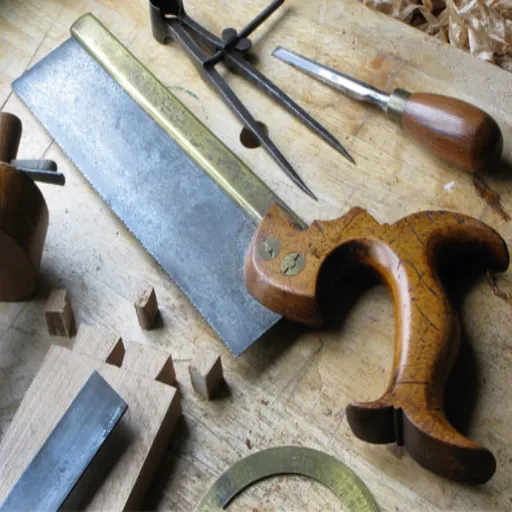
With the framework in hand, here are the dovetail saws most often recommended by woodworkers, grouped by what you plan to do. You can browse our hand saw catalog for the full range.
For Beginners: Easy Starts and Budget-Friendly
New joiners should prioritize ease of starting and forgiving control. A budget Japanese dozuki is a great entry point: pull saws start easily, cut with light effort, and cost less than many Western saws. Look for a dozuki around 20 TPI in the 6″ range. The WORKPRO 6″ Japanese pull saw and the KAKURI Mini Dozuki are commonly cited starter options.
For General Furniture Work: The All-Arounder
For most furniture projects, a 14–15 TPI saw is the workhorse. On the Western side, the Veritas Standard Dovetail Saw (14 TPI) is a frequent recommendation, with a 20 TPI fine version for thin stock. The Lie-Nielsen Dovetail Saw (15 TPI) is the premium choice many woodworkers aspire to. If you prefer Japanese, the SUIZAN 6″ or 7″ dozuki covers this range well.
For Fine and Thin-Stock Work: Small and Precise
When you cut small boxes, drawers, or thin stock, a 20 TPI fine-tooth saw shines. The Veritas Fine Dovetail Saw and compact dozukis like the KAKURI Mini are built for this. The thin kerf and small teeth keep the line crisp on material where a coarser saw would tear or bind.
Premium and Professional: Built to Last a Career
Professional furniture makers often reach for the top of the line: Lie-Nielsen, Veritas, or a custom saw from a maker like Bad Axe. You are paying for hand-filed teeth, a perfectly fitted spine, and a handle shaped for the hand. On a Western saw that cost is spread over decades, because the teeth can be resharpened again and again. For project-matched picks across every saw category, our best hand saw for woodworking guide goes deeper.
How a Quality Backsaw Is Made
Most buying guides never talk about this, but how a saw is built explains why two saws that look identical can cut completely differently. As a manufacturer, this is where quality is won or lost.
The process starts with the blade. Steel is selected and cut to blank, then heat-treated to the right hardness. The teeth are cut, and on a quality saw they are filed by hand or on precision grinding equipment so every tooth has the same shape and height. This uniformity is what makes the cut clean and straight; a cheap saw with uneven teeth pulls to one side no matter how good your technique.
Next comes the set. Each tooth is bent a precise amount, alternately left and right, to make room for the blade in the kerf. Too much set and the saw wanders and wastes wood; too little and it binds. Getting this right to a few thousandths of an inch is the difference between a joy and a frustration.
Finally the spine is fitted. It must sit square and rigid on the blade, adding weight and stiffness in the right place. A poorly fitted back lets the plate flex and turns every cut into a fight. When you buy from a real manufacturer, you also get quality control that catch these details: blade straightness checks, tooth inspection, and spine fit tests before the saw is boxed.
Sharpening vs Replacing Your Saw
Every saw dulls eventually. What you do next depends on which type you own.
A Western dovetail saw can be resharpened. With a saw file, a saw set, and a little practice, you can restore the teeth and keep the same saw for decades. Many owners send their premium saws back to the maker for factory sharpening. This makes the higher up-front cost of a quality Western saw more reasonable over a long career.
A Japanese dozuki cannot be resharpened. The teeth are impulse-hardened, so they wear and break instead of sharpening cleanly. When the cut starts to wander or tear out, you replace the blade. Replacement blades are inexpensive and easy to swap, which is the offsetting advantage of the dozuki system.
How do you know a dull blade is the problem? The saw binds in the cut, drifts off the line, or tears out fibers even with light pressure. Beginners often blame their hands for what is really a dull or badly set blade. Good technique starts with a sharp, straight saw.
What to Check When Your Saw Arrives
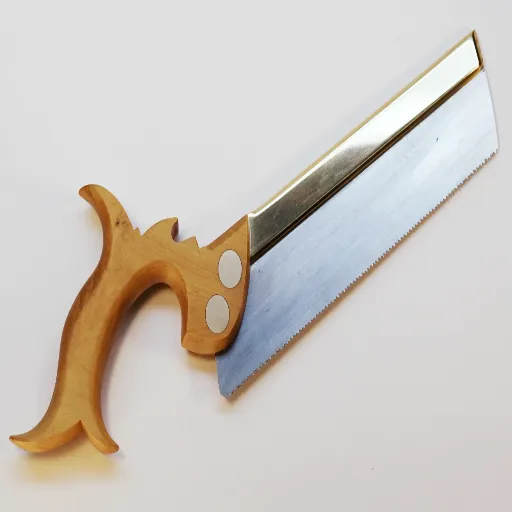
Whether you buy online or in bulk, check a new saw before you trust it with a nice board. Spend five minutes on the QC pass a good factory would have done:
- Spine: straight and rigid, no flex or wobble
- Teeth: uniform shape and height, no bent or chipped teeth
- Set: even on both sides, not visibly over-set
- Blade: no rust, burrs, or warping along the plate
- Handle: secure fit, no cracks, comfortable in the hand
If you catch a defect early, you can return or replace it before it wastes wood. For a distributor, this check becomes part of your own quality assurance, which is one more reason to buy from a manufacturer with documented QC rather than an anonymous marketplace listing.
Sourcing Dovetail Saws for Your Business
If you stock or distribute hand tools, dovetail saws deserve a place in the catalog, and the sourcing decision matters as much as the saw specs. Marketplace listings and middlemen add cost and hide quality. Working factory-direct changes that.
Shanghai Oushike Hardware Tools Co., Ltd. is a hand tools manufacturer with OEM and ODM capabilities. We supply dovetail saws and the full backsaw family with custom branding, packaging, and specifications to match your product line. Factory-direct pricing protects your margins, flexible MOQs let you start small and scale, and strict multi-stage quality control keeps your customers happy order after order. The global hand tools market is projected to grow from about USD 8.4 billion in 2021 to USD 10.3 billion by 2026, according to MarketsandMarkets, with professional and industrial users holding the largest share, per Fact. MR. Demand for reliable saws and cutting tools is part of that growth. If you import or distribute tools, a direct relationship with a manufacturer beats a stack of marketplace orders for consistency, cost, and long-term supply.
Dovetail Saw FAQs
What is a dovetail saw used for?
A dovetail saw is used to cut the cheeks of dovetail joints, the interlocking tails and pins that join drawer and box corners. Its stiff spine and fine rip teeth make clean, straight cuts along the grain.
Is a dovetail saw the same as a rip saw?
A dovetail saw is a small rip saw. It uses rip-filed teeth that cut along the grain, but it is distinguished by its rigid back, short blade, and fine teeth. A full-size rip saw is a much larger tool for breaking down lumber.
What TPI is best for a dovetail saw?
Around 15 TPI is the best all-around choice for most furniture work. Use 20 TPI for thin stock under 1/2″, and 14 TPI for general 1/2″–3/4″ work. Keep at least 5 to 6 teeth in the cut at all times.
Dovetail saw vs dozuki: which should I choose?
Choose a Western dovetail saw if you want a resharpenable tool that tracks well in hardwoods. Choose a Japanese dozuki if you want a thinner kerf, easier starts, and lower cost, and you are fine replacing the blade. Skill matters more than the saw.
Can I use a coping saw for dovetails?
You can, and some woodworkers do for cutting out the waste between pins, but a coping saw is not a substitute for a dovetail saw. Use a dedicated dovetail saw for the cheeks, and a coping saw only for waste removal. See our coping saw guide.
Are Japanese dovetail saws easier for beginners?
Yes, generally. Pull saws start easily, require less force, and produce a clean kerf with minimal set-up. Their thin teeth are more fragile in hardwoods, but for learning on softwoods and thin stock they are very forgiving.
Do I need an expensive dovetail saw to cut good joints?
No. A solid 14–15 TPI saw at a mid-range price will cut good joints in capable hands. Expensive saws add refinement, edge retention, and longevity, but technique and a sharp, straight blade matter more than the price tag.
Conclusion
A good dovetail saw is the foundation of hand-cut joinery, and choosing one does not have to be complicated. Start with the stroke: Western push if you want a resharpenable saw that tracks hardwoods well, Japanese dozuki if you want a thin kerf and easy starts. Match the TPI to your stock, pick a blade length and handle that feel right, and buy from a source you trust.
Remember the four checks: push vs pull, TPI, blade length, and handle. And when the saw arrives, inspect it for a straight spine and even set before you cut. Whether you are a hobbyist or a distributor, the same principles apply. If you are building a dovetail saw into your product line, talk to our team about factory-direct sourcing and custom branding.
Contact us for a quote → and we will help you source professional dovetail saws for your workshop or catalog.