
Hand Saw Vs Circular Saw: Which Should You Use?
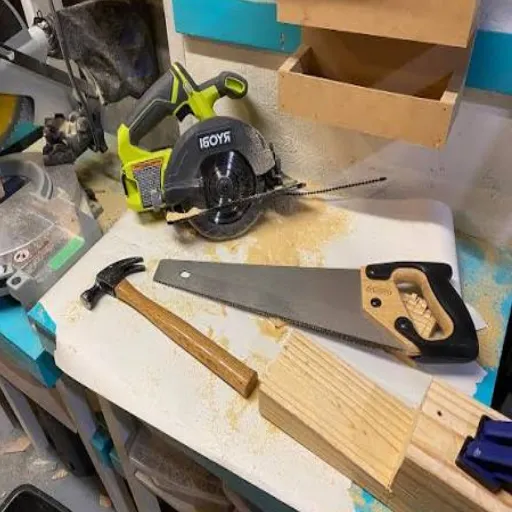
A hand saw is better for precise joinery, quiet work, small projects, and low cost. A circular saw is better for speed, breaking down lumber, cutting sheet goods, and jobsite volume. Most professionals keep both, because each tool wins in different situations.
Choosing between a hand saw vs circular saw is one of the most common decisions new buyers face. Both cut wood well, and both have a loyal following. But they aren’t interchangeable. Pick the wrong one, and you’ll fight the tool all day, waste material, and slow down your work.
This guide gives you a clear, side-by-side comparison of speed, precision, cost, safety, and portability. You’ll learn when each saw earns its place, which one to buy first, and why most professional workshops and distributors stock both. If you’re leaning toward the manual option, our best hand saw buying guide breaks down the top picks for every job.
Key Takeaways
- Hand saws win on precision, quiet operation, low cost, and safety for fine joinery and small jobs.
- Circular saws win on speed and volume, cutting roughly 10x faster and handling sheet goods and framing.
- A hand saw costs $15-$40; a solid circular saw runs $50-$120, with ongoing blade replacement costs.
- Power tools contribute to tens of thousands of emergency room visits each year; hand saws carry far lower injury risk.
- Most professional contractors and distributors stock both, because the two tools complement each other.
Hand Saw vs Circular Saw: At a Glance
| Factor | Hand Saw | Circular Saw |
|---|---|---|
| Power source | Manual, no electricity | Electric, corded or battery |
| Speed | Slow, arm powered | Roughly 10x faster, blade spins 5,000+ RPM |
| Precision | Excellent for fine and joinery work | Accurate only with a straight guide |
| Weight | Light, easy to carry | Heavier due to the motor |
| Cost | $15−$40 typical | $50-$120 typical, plus blades |
| Noise | Quiet | Loud, requires hearing protection |
| Dust | None | Generates sawdust |
| Best for | Joinery, trim, small cuts, quiet spaces | Framing, sheet goods, volume cuts |
What Is a Hand Saw?
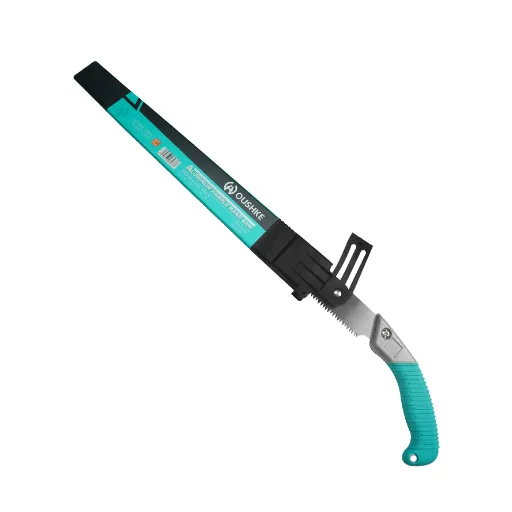
A hand saw is a manual cutting tool with a flat, serrated blade and a handle. You power it with your arms, which gives you total control over the cut. There is no motor, no cord, and no noise.
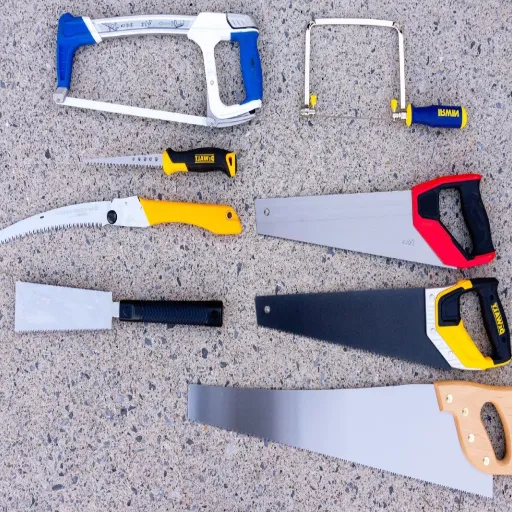
Hand saws come in several forms, each built for a different cut. Crosscut saws cut across the grain, rip saws cut with it, and back saws work for fine joinery. Japanese pull saws cut on the pull stroke and produce very clean edges. For the full breakdown, see our guide to hand saw types.
Most hand saws for general woodworking use 7 to 12 teeth per inch (TPI). A 7-10 TPI blade cuts fast but leaves a rougher edge. A 12-15 TPI blade cuts slower but cleaner, which matters for trim and finish work.
The biggest advantage of a hand saw is control. You can ease into a cut, follow a curved line, and stop exactly where you need to. That’s why fine woodworkers still reach for a hand saw for dovetails, tenons, and other precision work.
What Is a Circular Saw?
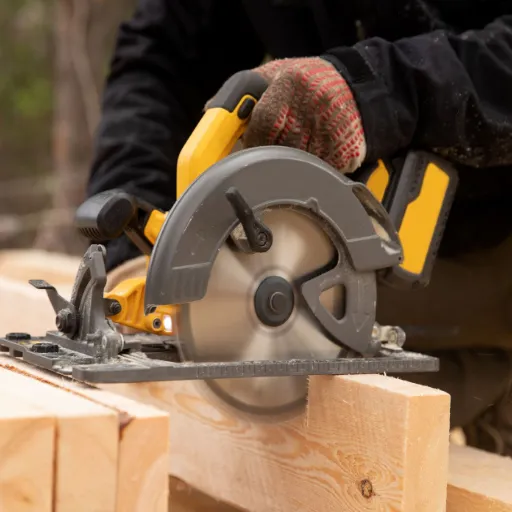
A circular saw is a handheld power tool with a round blade that spins at high speed. A typical 7-1/4 inch blade rotates at more than 5,000 RPM and cuts to a depth of about 2-1/4 inches. Corded models run on standard power and deliver steady torque, while cordless models trade some power for portability.
The circular saw is the workhorse of construction sites. It breaks down framing lumber, rips full sheets of plywood, and makes long straight cuts quickly. A carpenter can cut a stack of 2x4s in the time it would take a hand saw to finish one.
Speed is the circular saw’s main strength, but it has limits. Freehand, a circular saw can drift more than 1/16 inch over a long cut. You need a clamped straightedge or a track to keep it true. The blade also tears the top surface of the wood, so finish carpenters often flip the material good side down.
When precision matters less than speed, and you are working with big material on a jobsite, a circular saw is hard to beat. Our power tools range includes professional saws built for that kind of work.
Hand Saw vs Circular Saw: 6 Key Differences
Speed and Efficiency
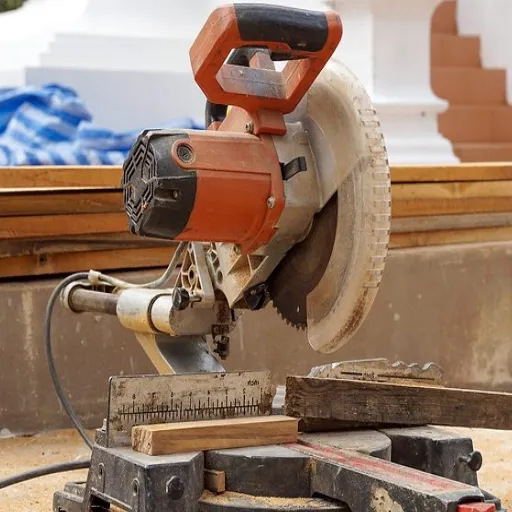
A circular saw cuts roughly 10x faster than a hand saw. That difference decides most jobsite debates. For ripping plywood, crosscutting stacks of lumber, or framing a wall, the circular saw is the clear winner.
A hand saw has no speed advantage, but it has an efficiency one. For one or two quick cuts, setting up a circular saw takes longer than just sawing by hand. For small jobs, the hand saw is often the faster choice in practice.
Precision and Control
Hand saws win on precision. Because you control every stroke, you can follow a line, ease into the cut, and stop exactly where you want. That is why joinery, trim, and fine woodworking remain hand saw territory.
A circular saw can be accurate too, but only with a guide. Clamp a straightedge or use a track, and it will track straight for feet at a time. Freehand, it drifts. For long, straight cuts on sheet goods, a guided circular saw actually beats a hand saw.
Portability and Ergonomics
A hand saw is light, quiet, and fits in any toolbox. You can carry it anywhere, including up a ladder or into a crawl space, and it never needs charging.
A circular saw is heavier and needs power, but it brings the tool to the work. You carry the saw to the board instead of moving the board to the saw. On a jobsite, that portability is more valuable than weight on paper.
Cost and Total Cost of Ownership
A quality hand saw costs $15-$40. A good one, maintained well, lasts for years with annual sharpening. Lifetime cost stays low.
A solid circular saw runs $50-$120, and that is just the start. Blades wear out and need replacement, and you may add dust collection or guide accessories. The circular saw delivers more capability per dollar, but the hand saw costs less to own.
Safety
Hand saws are the safer choice, especially for beginners. There is no kickback risk, no spinning blade, and no loud noise. The main hazard is the razor-sharp teeth, which cut-resistant gloves protect against.
Circular saws require respect. Kickback can happen if the blade twists mid-cut. The blade guard must stay in place, and you should always clamp your workpiece.
According to the CDC, power tools contribute to tens of thousands of emergency room visits every year. Proper technique and protective gear reduce that risk significantly.
Noise, Dust, and Workspace
A hand saw is silent and dust-free. It’s ideal for apartments, finished rooms, and shared spaces where noise and mess matter.
A circular saw is loud and throws sawdust everywhere. On a jobsite, dust management is part of the routine. In a finished living room, that noise and dust can be a dealbreaker, which is exactly why many pros reach for a hand saw.
When to Use a Hand Saw vs a Circular Saw
Choose a Hand Saw When
- You need fine, precise cuts for joinery, trim, or furniture work.
- You are working in a quiet space, a finished room, or an apartment.
- You are making a few quick cuts and setup would take longer than the cut.
- You are cutting living wood, like pruning a tree or trimming branches.
- You have no power available, or you want to avoid the noise entirely.
Choose a Circular Saw When
- You are framing, cutting dimensional lumber, or building a structure.
- You need to rip full sheets of plywood or OSB down to size.
- You are doing high-volume or repetitive cuts and need speed.
- You are on a jobsite and need to bring the saw to the work.
- You are cutting thicker or harder wood that would exhaust you by hand.
Which Saw Should You Buy First?
For a beginner, the answer depends on your goal.
If you want to learn control and technique, start with a hand saw. It’s cheaper, safer, and it teaches you to read the cut. The muscle memory you build transfers directly to every other saw you’ll ever use.
If you plan to build shelves, workbenches, or basic furniture, a circular saw is often recommended as the first power saw. It handles about 90% of the cuts a beginner will make in the first year. Add a straightedge guide and you can make surprisingly clean cuts.
Many new woodworkers start with a hand saw and add a circular saw within a year. Together, the two cover roughly 80-90% of common cutting tasks for about $150-$300 total.
If you’re buying for professional crews, the calculation changes. Contractors treat the circular saw as the primary tool and keep a hand saw for precise and quiet tasks. For a balanced shop, both earn their place.
Do You Need Both? The Case for Stocking Both
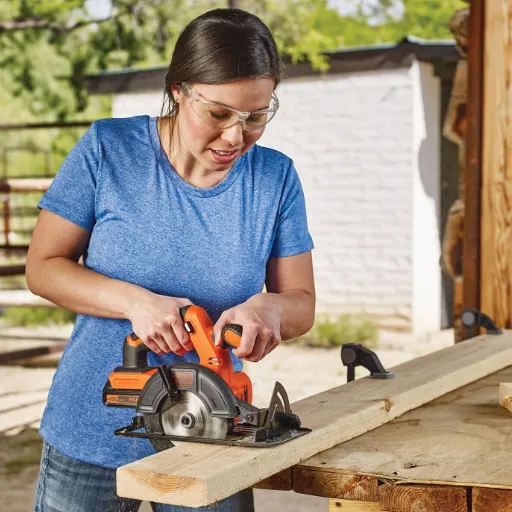
Here’s the practical answer from people who work with wood daily: most professionals carry both, and most distributors stock both.
Think about a contractor’s truck. The circular saw does the heavy lifting all day, cutting framing and sheets. But trim work in a finished home, a quick repair, or a cut where noise matters all call for a hand saw. A pro without a hand saw eventually borrows one.
The same logic applies to a product line. A regional distributor that carries only power saws sends its contractor customers elsewhere for hand saws. Stocking both keeps those customers loyal and grows average order value.
This is where factory-direct sourcing matters. When you buy hand saws and power tools from the same hand saw manufacturer, you simplify your supply chain, reduce freight, and negotiate better pricing on the full order.
The market supports this thinking. Global power and hand tools revenue is projected to reach about $12.7 billion in 2026, with steady growth through the decade, according to Research and Markets. Demand for both tool categories keeps growing across construction, manufacturing, and DIY.
Decision Guide: Hand Saw vs Circular Saw by Project
| Project or Task | Recommended Saw |
|---|---|
| Framing lumber and 2x4s | Circular saw |
| Ripping plywood and sheet goods | Circular saw |
| Crosscutting dimensional lumber | Circular saw |
| Dovetails, tenons, and joinery | Hand saw |
| Trim and finish cuts | Hand saw |
| Drywall patch or small repair | Hand saw |
| Pruning or cutting living wood | Hand saw |
| Quiet-space or no-power work | Hand saw |
| Long, straight cuts on sheets | Circular saw with guide |
Hand Saw vs Circular Saw: FAQs
Is a hand saw better than a circular saw?
It depends on the job. A hand saw is better for precision, quiet work, small projects, and low cost. A circular saw is better for speed, volume, and breaking down large material. For most buyers, the right answer is to own both.
When should I use a hand saw instead of a circular saw?
Use a hand saw when you need fine control, when noise or dust matters, when you are making just a few cuts, or when there is no power available. Joinery, trim, drywall patches, and pruning are classic hand saw jobs.
Which is safer, a hand saw or a circular saw?
A hand saw is safer for most users, especially beginners. It has no kickback and no spinning blade. A circular saw is safe with proper technique, but it carries real risks, including kickback and fast-spinning blades that cause tens of thousands of emergency room visits each year.
Can a circular saw cut as straight as a hand saw?
Yes, with a guide. A circular saw with a clamped straightedge or track cuts very straight over long distances. Freehand, it drifts. A skilled hand saw user can cut straight too, but the guided circular saw wins on long, straight cuts.
Is a circular saw worth it for a beginner?
If you plan to build shelves, furniture, or frames, yes. A circular saw handles about 90% of common beginner cuts and is often recommended as the first power saw. If you want to focus on fine woodworking, start with a hand saw instead.
Do professionals use hand saws anymore?
Yes. Most professional woodworkers and contractors keep a hand saw for trim, joinery, quiet jobs, and precise cuts. A survey of professional furniture makers found the vast majority still reach for a hand saw on almost every project. The circular saw handles volume; the hand saw handles control.
Which saw should I buy first?
Start with a hand saw if you want to learn technique on a budget. Choose a circular saw first if you have immediate projects like shelves or furniture and want speed. Many people buy a hand saw first, then add a circular saw, and the pair covers most cutting tasks.
Conclusion
The hand saw vs circular saw decision comes down to the work you do. Choose a hand saw for precision, quiet spaces, small jobs, and low cost. Choose a circular saw for speed, volume, framing, and sheet goods. For most workshops, contractor trucks, and product lines, the answer is to keep both.
The hand saw teaches control and handles the fine work. The circular saw delivers speed and handles the heavy lifting. Together, they cover nearly every cut you will face.
If you are building a workshop, a contractor fleet, or a distributor product line, sourcing both from one reliable factory partner simplifies everything. Shanghai Oushike Hardware Tools Co., Ltd. manufactures professional hand saws and power tools under one roof, with factory-direct pricing, OEM and private label options, and strict quality control.
Request a quote from our factory team to see how stocking both saw categories can grow your margins and keep your customers coming back.