
Hand Tool Safety: Complete Guide to Proper Use and Maintenance
Hand tools are essential in many industries and every task, from building and manufacturing to Doing It Yourself, home repairs. But on the other hand, most of the time, the easiest tools to use may become a source of danger if not utilized well or taken care of. To prevent this from happening, this in-depth article has been written to let you know the safest and most effective ways of using hand tools, and the most essential maintenance methods to employ so that their utility and efficiency will last. Whether you belong to the heavy-duty users or the light-use group, this article is sure to help you as it teaches about accident’ reduction, efficiency increment, and equipment reliability maintenance through the conveyance of professional knowledge that accords when and where to apply it. We will enlighten you now in the course of the document about the do’s and don’ts in terms of safety and care concerning hand tools, offering exceptional hints which will give you a raised consciousness of hand tool safety and maintenance.
Understanding Hand Tool Safety
- Inspect Tools Before Use: The user should always be on the lookout for the least damage, wear, and defects, such as cracks in the handles and parts coming loose. In the event that a tool fails during use and turns out to be one of the damaged tools, this failure could result in an injury. Settle for replacing or repairing tools that are in need.
- Use Tools for Their Intended Purpose: Tools must be used only for the tasks they have been specifically designed for and no other, because in this way even a screwdriver can be damaged when used instead of a chisel and hence the risk for accidents can become higher.
- Maintain a Secure Grip and Position: To make sure tools do not slip from the hand, it is crucial to maintain a firm grip, and the body always has to be in a position that guarantees both the body’s and the tool’s stability. When poor angles are avoided, the loss of control is also thus prevented.
- Wear Appropriate Personal Protective Equipment (PPE): For the safety of the worker depending on the task and the tool being used, it is most likely that safety glasses, gloves or hearing protection be used as personal protective equipment (PPE) to prevent flying debris, cuts, or noise-induced risks.
- Store Tools Safely: It is absolutely vital to keep tools in a well-organized and hence secure location whenever they are not in use. Good storage will also lessen the likelihood of an accidental injury due to a falling tool and at the same time will make the tool last longer through the ability to prevent dust and moisture from collecting on it.
Importance of Tool Safety
Undoubtedly, the significance of tool safety is great because of the following reasons, which are improper use or neglecting safety rules that can lead to severe harm or, in some cases, even death and destruction of machinery. A recent industry report calculated that there are about 400,000 tool-related injuries every year in the US, and this makes the prevention of such accidents a top priority. Not only that, but proper tool safety practices will put a shield around any individual who follows them, and as a result, tools will extend their serviceable life, and they will be more efficient than ever.
Emphasizing the safety of work involves two main things: knowing the danger linked with each tool and following regulations based on the safety rules established, including those stated by OSHA (Occupational Safety and Health Administration). Apart from that, the use of ergonomically designed tools, which reduce the physical effort required to handle the materials, better personal protective equipment, and training programs with safety as the main focus, are among the measures that industries are taking to minimize accidents at the workplace.
Common Risks Associated with Hand Tools
Hand tool utilization, although a necessity in several trades, presents dangers that are both built-in and may result in injuries or health problems if they are not appropriately controlled. There is one big hazard of the risk of having cuts or punctures caused by sharp tools like knives, chisels, or screwdrivers, especially if the correct techniques of using and maintaining the tools are not followed and the tools are damaged at the same time. Another drawback is the injury or long-term harm due to the constantly repeated or fixed movements of one’s hands and the rest of the body’s muscles without any support from ergonomics.
Not to mention that the user or the user’s tools may have an issue with the wrench with a worn-out jaw or the screwdriver with an incompatible screw, leading to even more disastrous consequences such as slipping a tool from one’s hand or total mechanical breakdown. Still, the most dangerous thing is applying too much force because that is the way not only tools are damaged but also sudden operational failure is facilitated. Thus, the possibilities of product quality issues will decrease.
Overview of Safety Programs
The core of an effective safety program is a well-balanced list of compounding elements that are aimed at making compliance with safety regulations an inherent part of the organization and at fostering a hazard-preventive culture. Among the mentioned elements are regular risk assessments that are aimed at detecting potential hazards in the different operational environments. Then, the aforementioned hazards are detected, and very specific control measures are put in place to completely do away with or at least lessen the risks.
Also, another crucial part is extensive safety training for all employees. Properly training the staff ensures that they know the right operations procedures, are accustomed to personal protective equipment (PPE), and are all set to handle emergencies. Also, safety programs are very keen on letting the organization know the procedure for incident reporting and analysis. By this means of maintaining the detailed documentation, one can not only keep track of the occurrences over time but also uncover patterns that are crucial for the development of more effective safety strategies.
Currently, contemporary safety programs are not only using but also leveraging cutting-edge technology like predictive analytics, digital monitoring systems, and automated alerts to forewarn probable problems. Additionally, these innovations, together with the workers across the organization that are committed to accountable actions and the organization that is compliant with Regulatory Frameworks, would guarantee the establishment of a safer work environment.
Choosing the proper Hand Tools
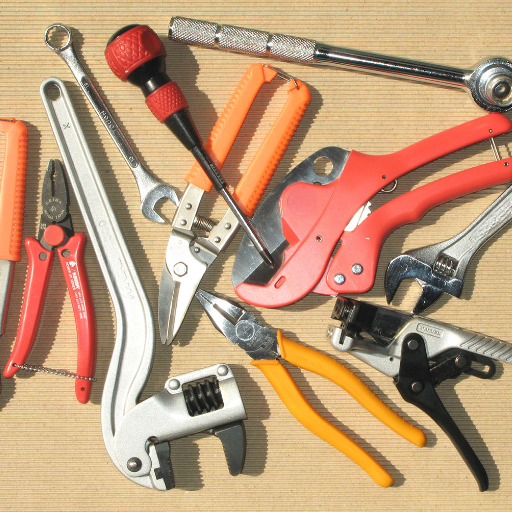
Picking the best hand tools will entail a comprehensive evaluation of their top-notch quality, utility, and appropriateness for the task at hand. The first thing to do is to see that, for the long term, the material used in the tool’s construction is high-grade steel, which is a very tough and reliable material for daily use. On top of this, ergonomics need to be the most important criterion, and user comfort and strain reduction should be sought as well as during very long procedures, like the tool is exceedingly easy to use. While judging the tool’s essential task, think if it is perfectly tailored for that job by providing the precision or efficiency needed. Lastly, confirm if the tool corresponds to the safety standards that are relevant and has any complications, such as any of the following: non-sliding handles, electricity safety. Through analyzing these variables, not only will you be able to make informed decisions regarding your purchase, but you will also be able to simultaneously increase the productivity and safety levels.
Factors to Consider When Selecting Tools
| Factor | Description |
|---|---|
| Tool Material and Durability | The overall impact of a tool revolving around its material makeup is glaringly vivid with regard to its functionality, service duration, and dependability. High-carbon steel tools, for example, present increased strength and wear resistance beyond low-quality materials. According to a study, the life of tools with high wear resistance properties might increase by 30% thus sparing the trouble of being replaced frequently and the costs associated with long-term usage. |
| Ergonomics and User Comfort | Not only is a tool more usable if it has an ergonomic design but it is also more comfortable for the operator, especially when it is being used for a long time. Ergonomically designed tools take away the strain, prevent the repetitiveness of stress injuries, and keep the workers’ productivity high. Thus, look for features such as molded handles, adjustable components, and balanced weight distribution to improve the ease of use. |
| Precision and Accuracy Requirements | For exact measurements or fine work, precision tools are necessary. In the case of either high precision or fine calibration, tools such as micrometers and precision drills are likely to ensure that the task will be done according to the very strictest specifications, blocking defects or any inconsistencies. |
| Safety Mechanisms | Moreover, the tools must be in the hands of the user. Insulated grips, blade guards or anti-slip coatings are the features that can do a great job in reducing risks while at the same time using them. To illustrate, OSHA-compliant tools reduce the chances of accidents at work by a staggering 25% on average; thus, the safety features are the main point! |
| Maintenance and Longevity | Some tools are good with very little maintenance and some need to be constantly kept up, e.g., lubrication or calibration. Maintenance troubles can be completely eliminated by selecting tools that possess very simple maintenance processes and that have the availability of spare parts. Thus, downtime could be averted and the life of the tool could be longer. |
| Power Source and Efficiency | Power-operated equipment can be fueled by electricity, batteries, or pneumatic systems, each choice viable in different scenarios. Power tools with the use of Li-ion batteries are a good option for doing tasks wherever you go, but powered tools can be even more powerful for industrial and other operations to have power consistently. Check for tools’ energy efficiency so it can keep pace with both performance needs and environmental concerns. |
Identifying the Right Tool for the Job
Completing the analysis of the task’s demands, that is, the material used, size, and purpose, is the first step in the selection of the correct tool. A good illustration is that a high-torque angle grinder may be the tool for cutting through very hard metals, while precision chisels or a jigsaw that can do almost anything might be the best choice for fine woodworking. To find the best kinds of wording for the descriptions and the necessary materials, the industry trends, and the new products as well could be where the economy of the tool quality and the performance in the long run will be. Again, the uneasiness of the worker and the compatibility of the accessories with the tool, the one that will be most likely used, to increase the versatility and effectiveness of the task, may also affect the decision-making. Structural elements, as well as designs that support the human body’s natural structure, will help to minimize worker fatigue while also providing comfort. The harms of using a tool are a must-consider attribute while using, hence, the availability of proper safety gears and devices, like making the area safe, is very crucial.
Safe Tool Recommendations
For the greatest safety and the best tool performance, the first thing to do is choose the models that are equipped with the various advanced safety features that include an auto-shutoff, an overload protector, and an anti-kickback system. These functions are made to avoid unwanted events by adapting at the same time as the operator performs. Furthermore, the likes of non-slip grips and insulated handles are big contributors for making someone less likely to drop a tool or get an electrical shock by no fault of theirs. If you are on the lookout to make sure the tools meet the standards of the industries, then verify with the certificates for things like OSHA compliance or ANSI standards, those that guarantee rigorous safety measures are the ones producing the tools. On the other hand, these innovations, like the integrated dust collection systems, are extremely crucial since they not only help in keeping the air inside the work area clean but also play a key role in preventing respiratory risks.
Proper Use of Hand Tools
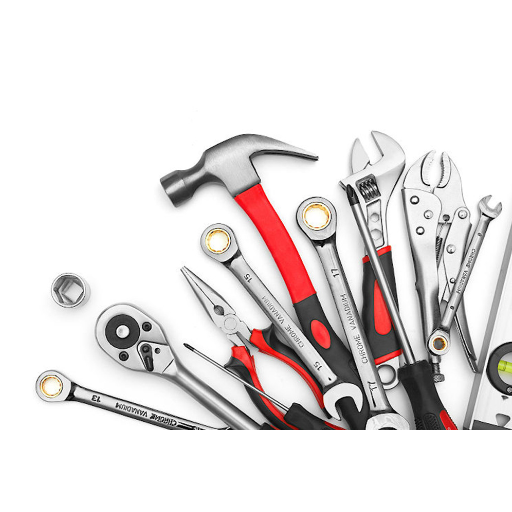
When it comes to working with hand tools, it is much better to be sticking to a few easy and regular practices from the beginning:
- Inspect Tools Before Use: Always look over one’s household hand tools for signs indicating the wear and tear, breakage, or irregularities that may be seen. The tools that are used are exposed to visible abuses, which lead to unexpected accidents or a negative work result.
- Use the Right Tool for the Job: Every tool has a specific purpose for which it is made. Do not resort to using tools in a different manner than they were made to be, as this makes them more prone to damage and makes handling below par.
- Grip and Control: Be very sure to have a tight grip on the tool and that you are controlling its movement at all times. This way, you will be able to prevent or at least minimize the risk of any potential hazard which might be caused due to slipping.
- Keep Work Areas Organized: A well-arranged work zone makes it easier to find and use tools, even more so, and it lessens the chance of stumbling or mislaying equipment.
- Follow Manufacturer Guidelines: Always stick to the rules that the manufacturer has given regarding the safe handling, use, and storage of the tool.
Such steps are essential to the preservation of your well-being in cases when using the equipment and for the prolongation of the tools’ life span and the quality of work being done. Safety practices should be at the forefront during the use of the tool.
Techniques for Using Hand Tools Safely
- Inspect Tools Before Use: Prior to commencing work, people should check hand tools first for any defects, damage, or wear that can be seen. This way, you can make sure that your tools are not dangerous and that they can fulfill their purposes efficiently. Preventing tool-related accidents is reasonably easy, just by keeping up with the scheduled maintenance and making use of the repair services available nearby.
- Use the Right Tool for the Job: When one uses a tool like a screwdriver to chisel out a slot in a piece of wood or metal, the action not only harms the screwdriver but also brings about an unsafe working environment. It is a good habit to first know well the tools of a material and at each stage, before you use any type of tool.
- Ensure Proper Grip and Posture: Right grip and body position are very important while using tools. Holding tightly and gently, at the same time, reduces the strain on the hand, and a good posture lessens the chances of getting repetitive stress injuries and musculoskeletal disorders in the long run. Ergonomic tools also have safety and comfort benefits.
- Wear Appropriate Safety Gear: Select tasks that require the use of gloves, goggles, or ear muffs. In this connection, hammering and cutting are some of the activities that throw dust into the eyes, which in serious cases might even cause blindness without proper protective gear. Personal protective equipment (PPE) is a must-have and efficient means of averting potential hazards.
- Store Tools Safely After Use: Tools that have not been used have to be put away in the proper places, such as toolboxes or wall-mounted racks. Good storage inhibits the possibility of injuries that are caused by accidents, extends the life of the tool, ensures that the tools are there for the next job, and makes them easily accessible for the next job.
Handling Tools with Care
It is really important to manage the tools properly in order to ensure the safety and life of users and the tools. The tools must always be used only for the purpose they were designed for, and this should also be done in a way that follows the manufacturer’s recommendations so that undue stress is avoided and damage is not done. As an illustration, taking a screwdriver as a pry bar may lead not only to tool damage but also to a higher probability of injuries to the user. With the help of precise grip and handling techniques, the hands should always be put in a position that controls and stabilizes; that way, the risk of slipping is minimized.
Moreover, it is absolutely necessary that the tools are checked often to find signs of wear and tear, cracks, or marks of defective material that can lead to loss of efficiency. Apart from that, broken tools should go out of operation immediately in order to avoid accidents. Do the cleaning of tools after each time of usage to prevent the soil, rust, or debris buildup, which can degrade the performance over time. For power tools, you need to check if all the connections and components are in their places and the blades, bits, or attachments are tightly attached before the operation. These detailed steps for taking care of tools responsibly help in creating a safe working place as well.
Recognizing Defects and Unsafe Tools
A crucial part in creating and securing a safe work environment, as well as keeping the workplace productive, is the identification of faulty and unsafe tools. Defective tools can show a wide range of alert signs, such as visible cracks, deformity, and excessive wear, or strange noises during operation. For power tools, indications of problems could be frayed electrical cables, loose connections, or the power output fluctuating, which may even cause disturbances. Besides, tools that cannot accurately perform their functions and show signs of being out of alignment, or making excessive noise, must be checked, and if required, repaired or replaced. A better way to detect such instances is to have a detailed understanding of the manufacturer’s instructions for use and the maintenance protocols – this will also enable one to prevent failures by discovering minor incidents at the very onset. It is always the best practice to regularly inspect and meet the safety requirements endorsed by the industry for fault-detection measures.
Hand Tool Maintenance
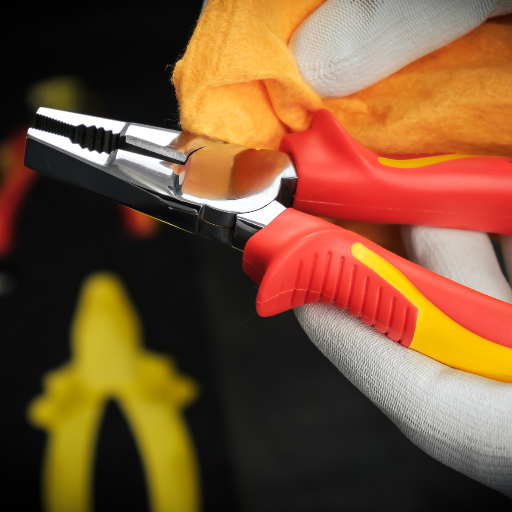
It is important to regularly maintain hand tools properly for the sake of their efficiency, safety, and durability. When tools are in good condition or are well-looked after, the tasks they work on will be finished without error, the probability of accidents will be extremely low, and the wear and tear of the tools will be minimized. On the other hand, when tools are neglected, issues such as decreased efficiency, tool breakage, or even injury during use can occur. Therefore, being particular about the proper storage of your tools, cleaning them after each use, and complying with the manufacturer’s instructions are some of the things that one can do to achieve the desired functionality and prolong the tools’ lifespan.
Regular Maintenance Practices
In order to retain top form that ensures both safety and high performance, making and following maintenance plans should be a must. For a start, it is required to regularly check tools for visible damage, such as cracks, rust, or worn-out parts, as they might be the cause of inefficiency and safety risk at the same time. If the matter concerns cutting tools, it is right sharpening to give the edge a new look and it will also help to save unnecessary trouble during operation. Moving parts should be lubricated at regular intervals with the aim of reducing friction and eliminating the possibility of mechanical wear, particularly in the case of tools that have hinges or gears. Electrical-powered tools require extra care; inspect the cords and connections for fraying or exposure to prevent the risk of electric shock. Additionally, one must always maintain the tool’s cleanliness—remove debris, dust, and any residue immediately after use to avoid conditions that could slow down the operation.
Signs of Wear and Tear
| Sign | Description & Impact |
|---|---|
| Corrosion and Rust | Rust and corrosion are problems that may occur in metal components, especially if they are in a moist or harsh environment. The statistics also show that almost 30% of the faults on hand tools are due to the corrosion issue, and hence, the strength and function of the tool becomes a problem. |
| Cracks and Fractures | Check all surfaces for any visible signs of breaks, fractures or tensile failure, most especially in high-stress regions. These signs are usually the very first indicators of material fatigue, which can then raise the risk of a sudden breakage during operations. |
| Loose or Worn Fasteners | Fasteners, especially bolts and nuts, are likely to lose their tightness because of vibration and frequent use. It was found out that mechanical failures up to 20% were due to fasteners that were not maintained properly. |
| Dulled Cutting Edges | Like their own-end tools’ cuts, that is, when the blades of the saws or the drill bits get blunter, their effectiveness becomes less. This also leads to a lack of precision and hence more effort on the user, either because of long-time use or the load requirements of difficult material. |
| Unusual Noises or Vibrations | When one experiences unusual noise, changing vibrations, or grinding sounds, it often means the wearing of parts or the misalignment of components. The most vulnerable elements in this case are the bearings and other moving parts. |
| Electrical Malfunctions | Seeing tattered wires, weak connections, or sparks is a sign of decreasing electrical safety. As a matter of fact, nearly 15% of all tool-related injuries are being accounted for as a result of electrical mistakes. |
When to Replace Tools
When a tool should be replaced is determined by its state, performance, and compliance with safety regulations. If a tool is almost broken in pieces and neither polishing nor welding can help, getting a new one is the only option for the sake of keeping people safe at the workplace. Moreover, the usage of the old tools that do not comply with the industry rules or safety certifications might be considered as infringement and they should not be allowed to work. The performance is a vital element, as well. Tools that are kind of poor in performance all the time, especially, the power tools whose motors are only getting worse and worse, or with those you have to put in a lot of power in order to be able to operate them properly, or the good thing is they never miss the spot yet they never hit the target exactly, are asking for a replacement.
In addition to that, lifespan limits that are presented by manufacturers, as well as being the most common, stringent guidelines for replacement, are the benchmarks that are provided. To illustrate, the normal lifespan of power tools is between 7 and 15 years, depending upon the conditions and the way it is used, while the steel structures like wrenches and hammers could still perform for many years, but the checks for the object to be sound need to be done regularly. In short, the setting up of a scheduled replacement policy year after year will reduce the risks, ensure safety, and optimize the operational side of the business, mostly professional and industrial enterprises.
Promoting Safety in the Workplace
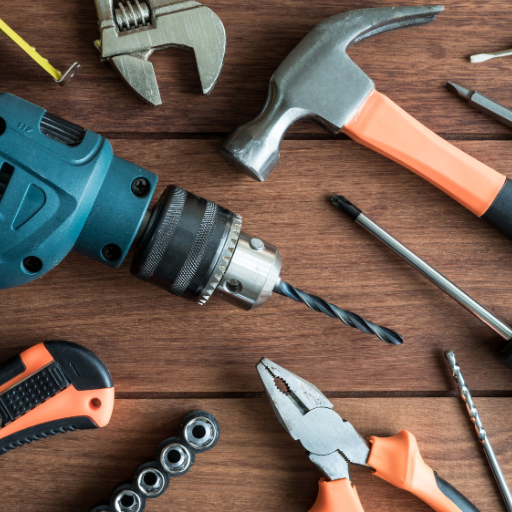
The safety of workers in the workplace needs a routine equipment inspection. Hence, through such inspections, various problems like wear, damage, and potential hazards can be seen beforehand. The crucial parts that should be checked are mechanical components, electrical connections, and any visible structural issues. The whole process can be made easier by adopting the maintenance schedules of the manufacturers and using checklists that are in accordance with the safety regulations. At the same time, employees should be taught how to spot dangerous conditions and report them immediately. Regular inspections have been found to be a major asset in that they lead to less downtime, more machine reliability, and, most importantly, a safe working environment.
Implementing Safety Training Programs
To put in place a highly effective safety training program, a company must blend more than normal work practices with the most recent regulatory guides to make sure all areas of safety are covered. The first step is to find out the hazards that are typically related to the work environment so that the content can be customized in such a way that the training is highly effective in overcoming the potential risks. This also involves, to some extent, the introduction of the employees to equipment treatment procedures, emergency response protocols, and the proper use of personal protective equipment (PPE).
Additionally, a guarantee of the manual training with some kind of simulation or role playing, or the feeling of presence of the high risk in the training materials through interaction will boost the engagement of the workers, and at the same time, their retention of the safety information will be ensured. The statistics confirm that the active learning method greatly helps people to remember what they have learned when compared to the traditional way, where the lecture is the main source of information.
Documenting training sessions with detailed records, the company can ensure that abides by the occupational safety protocols and likewise capture the competency gaps. It is through these gradual improvements in safety training that the organization not only lessens the risks but also develops a sense of accountability and consciousness throughout the establishment, which can lead to better performance overall.
Creating a Safe Work Environment
A strong stance for workplace safety starts with a thorough risk appraisal, which is expected to reveal the hazards, the causing factors, and introduce the preventive measures. Such inspections, continuously conducted, need to be updated primarily in the case of the processes’ evolution or new equipment being installed. The final step is to develop comprehensive safety regulations from those assessments and communicate them clearly throughout the company so that everything and everyone is aligned.
It is a matter of prime importance to invest in the ongoing safety training. The programs of such training should blend together the general instruction on the safety of the workplace with role-specific instructions that deal with the possible hazards of working in certain places or doing some particular tasks. Moreover, one complementary thing to do is to apply the IoT sensors that are able to provide data on air quality, temperature, and conditions of the machinery, hence making the management of safety checks even more effective and proactive.
Raising a safety-concern communication-friendly atmosphere in a company makes an extremely big difference as it fosters trust in safety and lowers one’s sense of fear at the workplace. A company that has informal reporting mechanisms that allow employees to bring up their concerns or near-miss incidents without fearing the consequences is the one that fosters open communication around the safety concerns in the company.
Reference Sources
- Yale University – General Safety Tips for Hand and Power Tools
https://ehs.yale.edu/sites/default/files/files/hand-power-tools.pdf - Ohio State University – Safe Use of Hand-Held Tools for Trainers and Supervisors
https://ohioline.osu.edu/factsheet/aex-892261 - Catholic University of America – Environmental Health and Safety Manual
https://facilities.catholic.edu/ehs/ehs-manual/14-hand-tools-and-powered-equipment.html
Frequently Asked Questions (FAQs)
How can I choose the right hand tool to improve hand tool safety?
Picking the appropriate size and type of a tool can prevent injuries and preserve balance and control while performing tasks. The search for the handle and the grip of the right size to avoid repetitive motions and to reduce the strain on the wrist and joints. The usage of the correct tool keeps the people from opting for a wrench as a hammer or any other unsafe substitutions that can cause the tool to be bruised or broken, for instance, mushroomed hammer heads. Inspect the tools for defects and meet the requirements of the user manual established by organizations like the Consumer Product Safety Commission to assure safe usage. Additionally, proper selection also minimizes the risk of developing carpal tunnel syndrome due to extended usage of tools that do not fit well.
What basic tool-safety steps help prevent hand- and power-tool incidents?
Begin by quietly and thoroughly taking hold of the instructions and making certain that no tools have cracked handles or loose parts. Hazards linked to malfunctioning tools can be avoided. The use of eye protection and work gloves is to be made a routine in a situation where debris and sharp edges are the source of danger, and in case both manual and power tools are being used. The importance of maintaining good footing and balance is paramount, and that no power tools are to be used when the operator is tired or working in an awkward position that may increase the risk of repetitive motion injuries is another point hitting the proper behavior.
What does safety training for hand and power tool safety include?
It is a must for safety training to include power tools and hand tools and let the workers know the proper way to handle them which may involve securing workpieces and maintaining good balance at the same time. The training must also provide information on when the tools are faulty, in what case a tool is to be used improperly, and the safe practices to prevent eye injuries (the use of eye protection) and injuries to the hands (especially, the correct gloves). It should also address the safety of specific tools which are in most cases ambiguous like nail guns, and the rules that have to be followed as far as the tools being substituted are concerned, as might be the case with using a wrench instead of a hammer.
How should I address defects in tools to maintain hand-tool safety?
In case you notice a defect in the tool, take it out of service immediately to avoid injury to workmen. Tag or mark the defective tools to report them to the superior, who will send them for repair or replacement, and don’t use the tools with a recoded history of misuse and clearly showing the stress. Regular maintenance and checks done by well-trained people can often find worn parts such as an anvil or dull cutting edges which otherwise would have caused problems. Proper disposal or reconditioning prevents anyone else from picking it up and causing an accident that results in an eye injury or a bruise. Maintaining a log of checks supports safety training and minimizes the risks posed by defects that have not been noticed.