
Nut Runner vs Impact Wrench: Key Differences Every Assembly Team Should Know
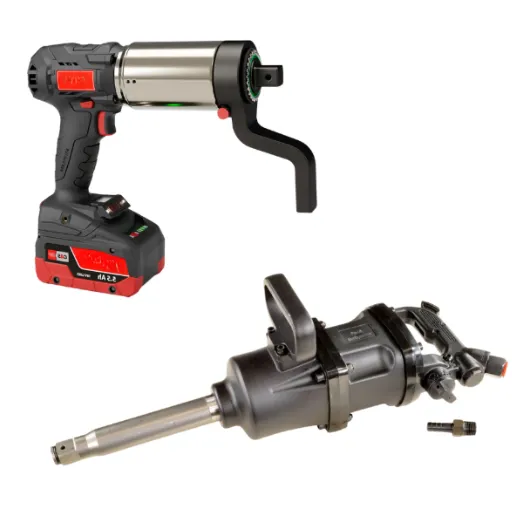
A nut runner delivers controlled torque with ±1-3% accuracy for precision assembly. An impact wrench uses rapid hammer blows to deliver high torque quickly, but with ±10-20% accuracy or worse. They are not alternatives. They are completely different tools for different jobs.
An impact wrench can tighten a lug nut in under two seconds. A nut runner takes five. But if you use that impact wrench on a brake caliper bolt, you might over-tighten it by 30%, stretch the threads, and create a warranty claim that costs your shop hundreds of dollars. Speed is not always the right metric.
Floor managers and technicians often grab whichever tool is handy, not realizing the accuracy gap between them can exceed 15%. You already know both tools tighten bolts. What you need is a clear understanding of how they deliver torque, how accurate they are, and exactly which jobs each tool is built for. This guide breaks down the real differences between nut runners and impact wrenches, so you always choose the right tool.
Here is what you will learn. How each tool works at the mechanical level. Why the accuracy gap matters in real work. A side-by-side comparison table you can reference in seconds. Which tool to use for specific jobs. And the hidden cost of grabbing the wrong one.
Key Takeaways
- A nut runner delivers steady, controlled torque with ±1-3% accuracy. An impact wrench delivers repeated impact blows with ±10-20% accuracy or worse.
- Use a nut runner for torque-critical, safety-critical, and warranty-covered joints where precision matters.
- Use an impact wrench for breaking loose stuck fasteners, rough pre-tightening, and non-critical joints where speed matters more than precision.
- Professional shops and assembly lines should own both tools. The mistake is using the wrong one for the task.
- The hidden cost of using an impact wrench on a precision joint includes stripped threads, warranty claims, and potential recalls.
How Each Tool Works: The Mechanics Matter
The difference starts inside the tool. Understanding how torque is delivered explains why accuracy varies so dramatically.
How a Nut Runner Delivers Torque
A nut runner applies torque through a controlled mechanical or electronic system. Electric models use a brushless motor with a transducer that measures torque in real time. When the target torque is reached, the tool shuts off. Pneumatic models use a clutch or stall mechanism that disengages at a preset level.
The result is steady, consistent torque. Every fastener gets the same force, within a narrow accuracy window. For a deeper look at the different types of nut runners, see our guide to the types of nut runners.
How an Impact Wrench Delivers Torque
An impact wrench uses a hammer and an anvil mechanism. An internal hammer strikes an anvil in rapid bursts, creating sudden torque spikes. The average torque reading on the specification sheet does not tell the full story. The actual torque delivered in each impact can swing well above and below that number.
There is no precision shut-off. The operator controls the tool by time or by feel. Two identical joints tightened by the same operator with the same impact wrench can end up with very different torque values.
The Physics Difference in Plain Terms
Think of it this way. A nut runner is like a steady push against a door. An impact wrench is like repeated kicks. Both can move the door, but only the steady push lets you control exactly how far it opens.
This is why impact wrenches cannot reliably hit a target torque. The hammer-and-anvil mechanism is built for maximum force, not precision control.
Accuracy Comparison: The Numbers That Matter
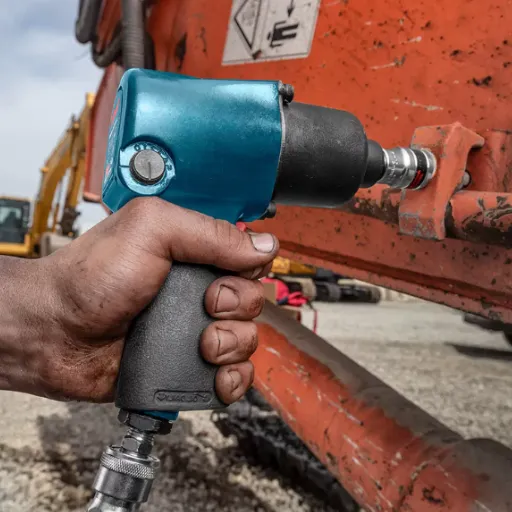
Accuracy is where the two tools separate. The gap is not small. It is the difference between a joint that holds and a joint that fails.
Torque Accuracy by Tool Type
Programmable electric nut runners typically achieve ±1-3% accuracy. Pneumatic nut runners run ±3-4%. Both are tested to the ISO 5393 standard for rotating tools with threaded fasteners.
Impact wrenches, by contrast, deliver ±10-20% accuracy under ideal conditions. In real shop conditions, with varying air pressure, worn sockets, and operator fatigue, the variance can be even wider. Some tests show impact wrenches delivering ±30% or more on the same joint repeated ten times.
Why Accuracy Matters in Real Work
On a brake caliper, an over-tightened bolt can stretch the threads or crack the mounting ear. An under-tightened bolt can back out under vibration. Both create safety risks and warranty exposure.
On an assembly line, every torque-critical fastener is a potential liability. When a small appliance manufacturer in Ohio switched from impact wrenches to nut runners on their final assembly station, warranty claims dropped 35% in six months. The cost of the new tools was recovered in under three months from reduced rework alone.
For detailed torque specifications by tool type, see our guide to nut runner torque ranges.
Nut Runner vs Impact Wrench: Side-by-Side Comparison
| Feature | Nut Runner | Impact Wrench |
|---|---|---|
| Torque Accuracy | ±1-3% (electric) | ±10-20% or worse |
| Speed | Moderate | Very Fast |
| Best For | Precision assembly | Breaking loose/rough tightening |
| Cost | Higher initial cost | Lower initial cost |
| Noise Level | 75-85 dB (electric) | 95-110 dB (pneumatic) |
| Vibration | Low | High |
| Data Logging | Yes (electric models) | No |
| Maintenance | Scheduled calibration | Minimal |
| Shut-Off Mechanism | Automatic at target torque | Manual (operator-controlled) |
This table is designed for quick reference. Bookmark it or print it for your shop floor.
When to Use a Nut Runner

Nut runners are built for precision. If the torque spec is written on the drawing, a nut runner is the right tool.
Assembly Line Production
Any production line that builds vehicles, machinery, appliances, or electronics needs consistent torque. The same M8 bolt on the same joint should read the same torque on every unit. Nut runners deliver that consistency. Impact wrenches cannot.
For industry-specific guidance, see our breakdown of nut runner applications by industry.
Safety-Critical Applications
Brake calipers, steering assemblies, suspension links, and turbine blade bolts all have one thing in common. If they fail, people get hurt. These joints demand accuracy that only a nut runner or calibrated torque wrench can provide.
Data-Traceable Operations
Modern manufacturing often requires traceability. Smart nut runners log torque and angle data for every fastener, exporting it to Manufacturing Execution Systems for audit and quality review. Impact wrenches have no such capability.
When to Use an Impact Wrench
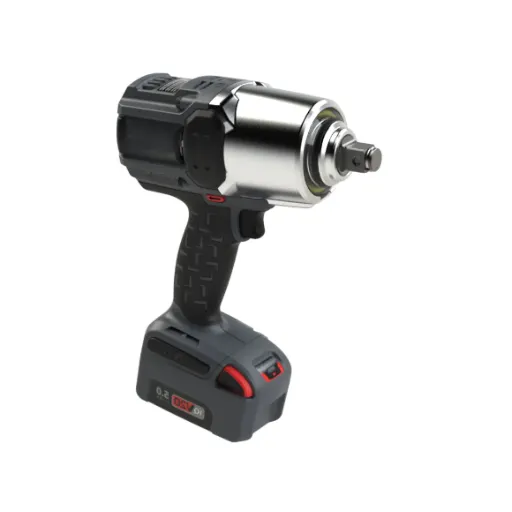
Impact wrenches excel where precision is not the goal. They are fast, powerful, and effective at tasks that do not require a specific torque value.
Breaking Loose Stubborn Fasteners
Rusted bolts, over-torqued lug nuts, and seized hardware respond to force. An impact wrench delivers that force in concentrated bursts that break corrosion and free stuck fasteners. A nut runner is the wrong tool for this job. It lacks the impact force and risks damage if pushed beyond its torque limit.
Rough Fastening and Pre-Assembly
In many workflows, the impact wrench is used for speed, not final torque. A technician might use an impact wrench to run a bolt down quickly, then switch to a nut runner or torque wrench for the final tightening to spec. This two-tool approach is common in professional shops.
Construction and Heavy Equipment
Structural steel erection and heavy machinery maintenance often involve large fasteners where “tight enough” is sufficient. Speed matters more than precision. Impact wrenches dominate these applications for good reason.
To learn more about matching tools to specific jobs, read our guide on how to choose the right nut runner.
The Hidden Cost of Using the Wrong Tool
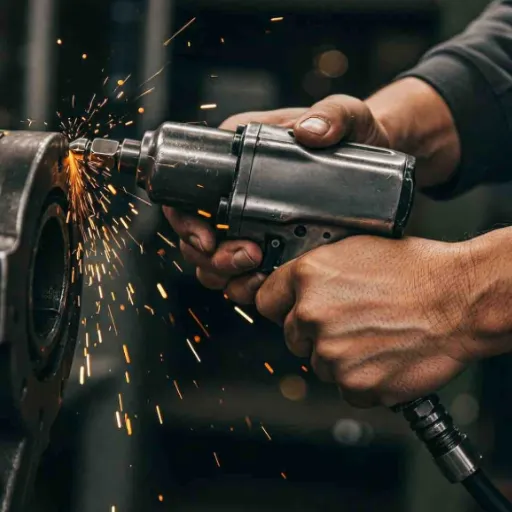
Choosing the wrong tool is expensive. The cost shows up in ways that are not always obvious on the shop floor.
What Happens When an Impact Wrench Hits a Precision Joint
Over-tightening stretches bolt threads, cracks castings, and deforms washers. The joint might feel tight, but the clamp load is wrong. Under sustained vibration or thermal cycling, the bolt can fail.
Under-tightening leaves fasteners loose. On a rotating assembly, a loose bolt can back out completely. On a vehicle, that means field failures, roadside breakdowns, and angry customers.
Inconsistent results are the worst of both worlds. The same operator, the same tool, the same joint, and ten different torque readings. Quality control cannot verify what cannot be repeated.
Production Line Consequences
When a fastening defect is caught in final inspection, the unit goes to rework. That means a dedicated rework station, extra labor, delayed shipments, and missed deadlines. When the defect is not caught, it reaches the customer. Then the cost multiplies through warranty claims, service calls, and brand damage.
For automotive and aerospace manufacturers, the ultimate risk is a recall. Major automotive recalls average over $1.2 billion in direct costs. Many recalls trace back to fastener issues that could have been prevented with torque-controlled assembly.
Cordless Revolution: Battery Options for Both
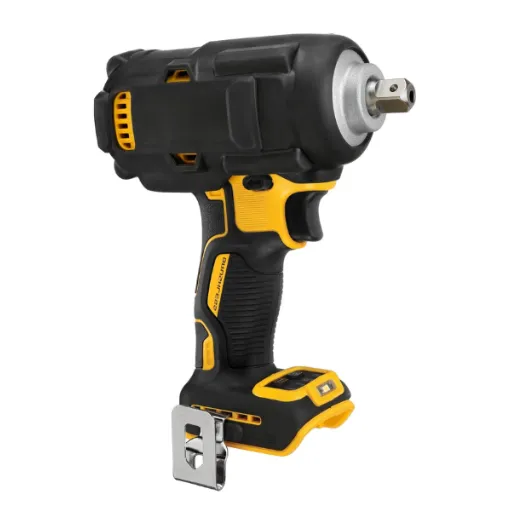
Battery technology is changing both categories, but not equally.
Cordless Nut Runners
Cordless nut runners are the fastest-growing segment in precision fastening. Modern battery platforms deliver torque accuracy that rivals corded electric models. They also integrate with MES systems for data traceability on mobile assembly lines.
Cordless Impact Wrenches
Cordless impact wrenches are already ubiquitous in tire shops and field maintenance. Battery platforms from major brands have made them more portable and convenient than ever.
But convenience has not improved precision. A battery impact wrench is still an impact wrench. The hammer-and-anvil mechanism is unchanged. Accuracy remains ±10-20% or worse.
The Gap Is Closing, But Slowly
Battery nut runners are becoming more precise and more connected. Battery impact wrenches are becoming more portable and more powerful. The fundamental difference in torque delivery has not changed. One tool is built for control. The other is built for force.
Quick Decision Guide: Which Tool for Which Job?
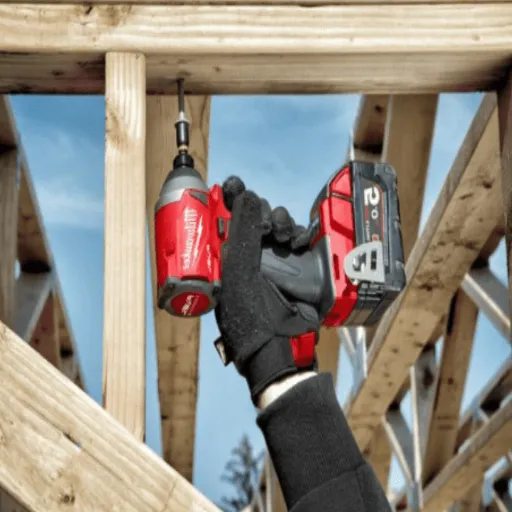
Use this checklist to decide in seconds.
Choose a Nut Runner If:
- A torque spec is defined and must be met
- The joint is safety-critical or covered by warranty
- You need torque or angle data for traceability
- The product will be audited or certified
- Rework costs more than the time saved by speed
Choose an Impact Wrench If:
- You are breaking loose a rusted or seized fastener
- You need rough pre-tightening before final torquing
- The joint is non-critical, and speed is the priority
- No torque specification exists for the application
The Professional Compromise
Most professional shops and assembly facilities own both. The impact wrench handles the brute-force work. The nut runner handles the precision work. Using one for the other’s job is where problems start.
When a technician at a dealership service bay in Michigan used an impact wrench to mount wheels on a new SUV, one lug nut was over-torqued by 40 Nm. The wheel vibrated at highway speed. The customer returned the next day. The dealership replaced the wheel, the lug bolts, and the brake rotor, then ate the labor cost. The two seconds saved with the impact wrench cost them $400.
Conclusion
The nut runner vs impact wrench debate is not about which tool is better. It is about which tool is right for the job. A nut runner delivers controlled torque with ±1-3% accuracy for precision assembly. An impact wrench delivers rapid impact force with ±10-20% accuracy for breaking loose and rough fastening.
They are not alternatives. They are complementary tools that belong in different hands for different tasks. Professional shops own both. Smart floor managers train their teams to know the difference.
Choosing the right tool protects quality, safety, and your budget. Choosing the wrong one creates defects, downtime, and liability.
If you need precision nut runner solutions for your assembly line, or if you want to explore how factory-direct sourcing can improve your tool specification and margin, contact our team. We also recommend reading our complete nut runner guide for a broader overview of nut runner types, applications, and selection strategies.