
Best Hammers for Construction: Professional Buying Guide
Tools play a significant role in construction activities as they have the potential to make the work easier, quicker, and most importantly, safer. Out of the many tools that are absolutely necessary, hammers are the most basic and multi-purpose tools of any professional’s equipment. But although hammers of all types are equal, selecting the best one for particular tasks can result in positive or negative changes in the quality and the ease of the work. The manual is a comprehensive presentation of hammers with regard to the construction industry as well as the main things to check out on a hammer before making a purchase. Eventually, we’ll be using, for instance, construction and domestic builds, so this master, reader-friendly guide will help you make the best choice that suits your job.
Understanding Hammers

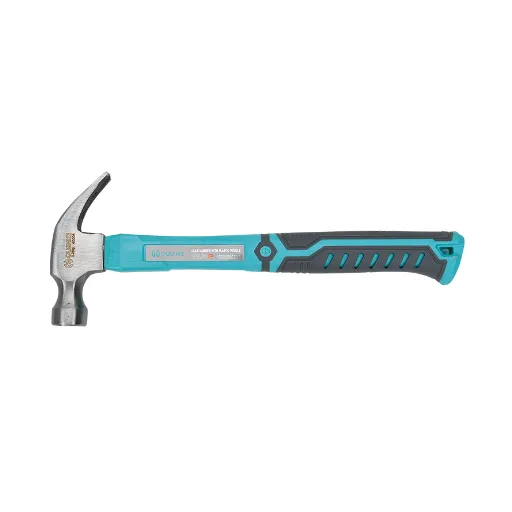
A hammer is typically a metal tool with a head and a handle used for a set of purposes including driving nails, fitting parts, breaking objects, or shaping materials. The head is often crafted from metal and has a striking surface and also a few other kinds of shapes and designs, including claws for nail removal or wedges for specialized tasks. The handle, usually made from wood, fiberglass, or steel, serves as the part that is meant to be grasped and provides the user with the leverage needed for handy use. So, the hammer has become a very useful and essential tool not only in construction but also in woodworking and metalworking where its versatility is tried and tested in a wide range of applications. The design and the function of the hammer can be very different depending on the task.
Definition and Purpose of a Hammer
When it comes down to it, a hammer is a basic tool intended to transfer a sudden, concentrated force to an object. Its essential form, which consists of a head and a handle, has persisted without any remarkable transformation during the ages and however, different types of hammers have been developed to cover special needs. For example, a claw hammer is the most commonly used hammer in carpentry as it helps in driving and removing nails, whereas a sledgehammer, due to its heavy head, is used in demolition and the destruction of tough materials like concrete or masonry.
The modern hammers have had the characteristics of various materials built into the handles over time, which further supplemented their functions when the absorption of the shocks and the heads of the hammers were mixed in a very distinctive method in a sense that they are not only more wear-resistant but also cause less fatigue to the user. The improvement of the hammer design is a good reminder of the versatility and indispensability of the tool in different fields, either in construction or in the art of working metals. The right and effective use of a hammer not only uplifts the overall work but also ensures the worker’s safety and long life of the tool.
Types of Hammers Used in Construction
| Hammer Type | Description | Use Case | Key Features |
|---|---|---|---|
| Claw Hammer | Features a curved claw for nail removal. | Driving or removing nails. | Versatile; common in carpentry. |
| Sledgehammer | Heavy-duty with long handle. | Breaking concrete or masonry. | High-impact force; durable design. |
| Ball Peen Hammer | Rounded head opposite flat face. | Metalworking and shaping. | Ideal for striking punches or chisels. |
| Framing Hammer | Long handle, milled face. | Framing and heavy construction work. | Enhanced leverage; reduces nail slippage. |
| Rubber Mallet | Soft, rubber head. | Gentle pressure without damage. | Leaves surface unmarked; lightweight. |
| Brick Hammer | Chisel-shaped end and flat hammer face. | Splitting bricks or stones. | Dual-purpose for precision applications. |
| Club Hammer | Short, double-faced head. | Driving chisels or demolition. | Compact; easy to handle in tight spaces. |
| Dead Blow Hammer | Hollow, filled with sand or metal shot. | Prevents rebound or sparks. | Shock-absorbent; precise usage. |
| Cross Peen Hammer | Wedge-shaped at one end. | Shaping metal or woodworking. | Provides controlled impact in fabrication. |
| Roofing Hammer | Combined hammer and hatchet tool. | Installing or removing roof shingles. | Multi-functional; specialized for roofing. |
| Electricians’ Hammer | Forged with a straight claw design. | Work in tight electrical spaces. | Compact; accessible in confined areas. |
How to Choose the Right Hammer
For a good result and keeping safe at the same time while you Hammer the nail, first determine the project required. More specifically, claws on the hammer are best used in carpentry work and nail removal, while a peen hammer is more beneficial in the metal industry. For example, in the process of shaping or riveting. Moreover, consider the workpiece, tools like a soft-faced hammer, and the fact that they are all designed to work on the surface without any damage as one of the tips.
The next thing you should consider is the ergonomics of the hammer like the handle material that plays significantly on the comfort of the grip and the overall weight. A hammer with a handle made of fiberglass or rubber will thus be lighter and shall cause less vibration giving the users a long working time without tiring so easily. Moreover, the equilibrium between the hammer head’s weight and the handle should be the right for the user so that he/she can be able to make controlled hits which assist him/her not to be burdened with the excessive stress that results in muscle strain and whatnot.
Next, look at the constraints of the work environment. A compact electrician’s hammer is way better in limited spaces, whereas a roofing hammer’s flexibility puts it among the must-haves for jobs with shingles. The critical attribute of the hammers is the durability, so going for the hammers made of forged steel or composite materials will give you longer operational life and reliable performance.
Another factor that matters is the frequency of your work. If you use the hammer occasionally, a claw hammer, which is a kind of multipurpose hammer, may do the job for you, while the investment in the professionals’ tools that are designed for the particular tasks involving high pressure is a big win. By being very cautious in selecting the kind of hammer for the job will not only enhance precision and efficiency but also reduce the risk of damage to materials and injury to the user.
Best Hammers for Construction

- Claw Hammer
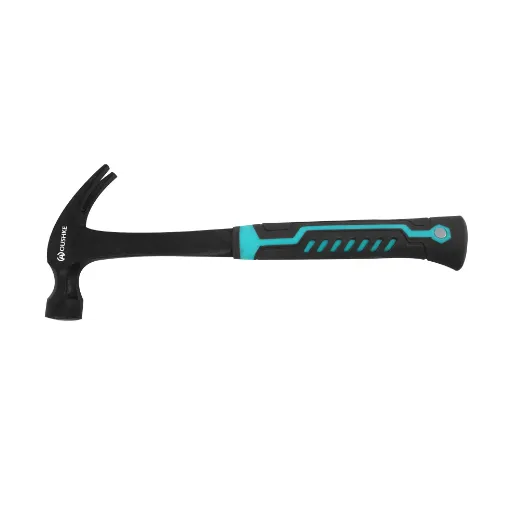
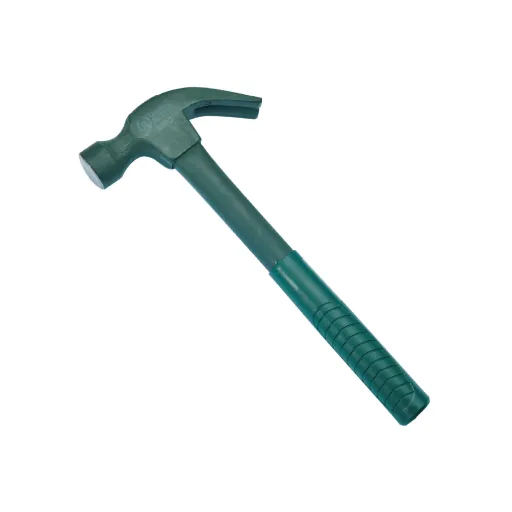
One of the most popular tools that few if any professional in the construction business will live without is a claw hammer. It is an unstoppable force in the general construction business due to its head being solid and the handle being firm, which are the two most important characteristics for basic framing and woodworking tasks. - Framing Hammer
Framing hammers, which are specifically made for heavy-duty construction, are featured with a longer handle and a heavier head for faster driving of big nails. The milled face helps better the grip on nail heads thus enhancing the precision. - Sledgehammer
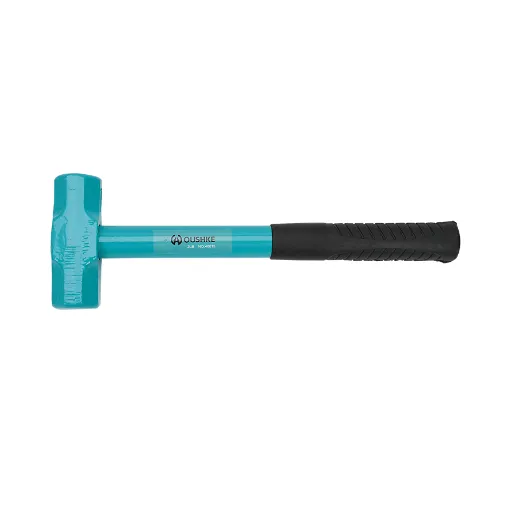
Sledgehammers are not only for demolition jobs but are also good for hitting and breaking concrete, stones, etc. They are powerful tools as they are heavy and have a very wide head which translates to force. - Ball Peen Hammer
One frequently meets the ball peen hammer in construction metalwork and it is also the one which is the best for shaping the metal and driving the punches. Its dual-faced head allows for the combination of these tasks. - Masonry Hammer
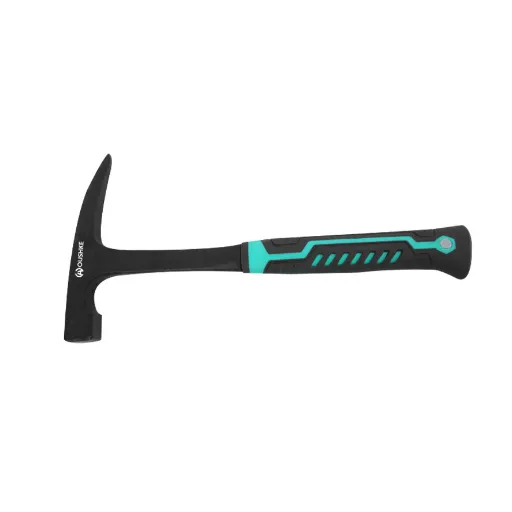
A masonry hammer can perform like a chisel and a hammer altogether, which takes it to the highest level of possible tools for cutting and setting bricks or stones. The blade of the hammer is very much like a chisel and will be beneficial for the most detailed parts of masonry work.
Top Features to Consider
1. Material Composition
The durability and usability of a hammer greatly depend on the material of the hammerhead and handle. The steel hammerheads, which are typically drop-forged and heat-treated, offer much higher impact resistance and also a longer service life. The by far most popular handle materials are fiberglass and hickory wood, because they can both absorb shock and reduce vibration.
2. Weight of the Hammer
3. Handle Grip Design
4. Head Design and Balance
Depending on the type of hammerhead, there are various shapes such as the round-claw ones, perfect for pulling nails, and the flat or curved ones, which are more specific for metalworking or masonry. A hammer that has the head and handle weights in proportion to one another is the best choice, as it does not only ensure that the forces are distributed correctly but also reduces the strain while doing continuous motions.
5. Shock Absorption Technology
Without rushing the market, advanced hammers would indeed include some in situations where the users’ hands will not be subject to too much impact. However, innovative materials such as fiber composites promise further reduction of the impact forces and as a result, the health hazard to the hand will be significantly lessened by absorbing the additional energy that would reach the hand otherwise.
6. Durability and Corrosion Resistance
The finishes that are resistant to corrosion such as powder-coatings or epoxy offer the hammers a longer life span. This advantage is more relevant in the case of the hammers being in a humid environment and/or very much exposed to corrosive substances.
Comparison of Hammer Materials
| Material | Properties | Advantages | Disadvantages |
|---|---|---|---|
| Steel | High strength, durable, heavy-duty | Long-lasting, versatile | Heavier, may cause user fatigue |
| Wood (Hickory) | Lightweight, absorbs vibrations, traditional style | Reduces shock, ergonomic | Less durable, prone to water damage |
| Fiberglass | Strong, lightweight, resists weathering | Vibration resistance, corrosion-proof | Lower impact tolerance over time |
| Titanium | Lightweight, high durability, low recoil impact | Reduced fatigue, strong performance | Expensive, less weight for driving |
| Rubber/Polymer | Non-slip grip, ergonomic, synthetic materials | Excellent handling, comfort | Limited to lighter applications |
Types of Hammers

- Claw Hammer: A claw hammer is a tool used to drive nails in and is always ready to help out during home renovation tasks.
- Sledgehammer: A sledgehammer is a huge hammer, which is used for construction, breaking hard materials, etc.
- Ball-Peen Hammer: Usually, this type of hammer is being used in metalworking with a round head on the one side and a flat spot on the other side for hitting.
- Mallet: A mallet made of wood or rubber is the typical description of it, and it functions as the one for softer impacts in order to avoid surface damage.
- Dead Blow Hammer: A dead blow hammer is filled with sand or shot while being made for the purpose of minimal rebound. This type of hammer is extremely useful in the field of precision mechanics or assembly work.
- Tack Hammer: The hammer that secures upholstery or small nails is the tack hammer which is specially lightweight and shaped for the purpose.
Claw Hammers
Claw hammers are some of the most common and versatile tools used for nailing and nail-pulling. The hammer has a head of two opposite sides, one for hitting with a flat face and the other for pulling out nails or splitting materials. The most typical claw hammer weights range from 16 to 20 ounces and variations, and hence provide needed power and at the same time make the tool controllable in diverse woodworking and construction duties. The up-to-date claw hammers are engineered with new materials and designs which make them less tiring to the user in many ways. For example, they have anti-vibration handles, the weight is properly distributed, and magnetic nail holders among the features which also aid in the user’s accuracy and lessening the user’s fatigue level. Claw’s size and contours are so natural to use that one gets mild exercise out of it and least risk of even scratching the materials and the claw hammer is a perfect fit for professional and DIY people too.
Steel Framing Hammers
Steel framing hammers are made considerably depending on the task. These hammers are typically bigger and heavier than the standard claw hammers as they are available in weights that range from 20 to 32 ounces providing a much better striking force. The milled or waffle face of the hammer is the striking face which will give more grip on nails and reduces the possibility of slippage during the impacts. Also, the longer handles usually exceeding 16 inches are made of materials that are not only very strong like hickory, fiberglass, or steel but they also allow more leverage besides striking power. By associating themselves with attributes like anti-vibration technology and magnetic nail starts, the most recent steel framing hammers are designed to improve the user ergonomics and the efficiency of the fast-paced jobsite environments. Being so strong with a particular design for the job, these hammers are mostly used in putting up wooden frameworks and great infrastructure, where precision and power are critical indeed for the regular results.
Titanium Hammers
Titanium hammers have made a big impact on hammer technology, as they bring about a great mix of sturdiness and weight and (at the same time are) lighter and more resistant to fatigue than the traditional steel hammers. Titanium has one of the best weight-to-strength ratios we can find, and this feature is shown in the types of tools that produce strong force but do not tire the user at all. A study claims titanium hammers can handle around 10 times the recoil shock a steel hammer can bear; hence they are much safer and less likely to cause repetitive strain injuries. Moreover, a lot of these hammers come with cutting-edge bonuses, e.g., various grips on the nail heads and shaped handles for easy-holding comfort. Thanks to their tough/strong construction and light weight, Titanium hammers are increasingly the tool of first choice for the professional framer, contractor, or any trade person on the job that needs high productivity, low stress, and health-friendliness.
What to Look for in a Hammer

- ✓ Material and Durability: When it comes to the material and the way it is made, titanium or forged steel are the best choices for making the hammer so that it will be of the best quality for the longest period of time and with the necessary strength.
- ✓ Weight: Go for a hammer weight that is the right mix of power and user-friendly features. Technically, a lighter hammer will keep you from getting too tired in the process, but one which is heavier will definitely give you more hammering power.
- ✓ Handle Design: Choose a handle that is ergonomic in design and at the same time, gives a very firm grip which immensely helps in the event of reduced hand strain.
- ✓ Head Features: You can select a hammer head that has a waffled texture for accurate hammering, or a slick face for normal use but better results.
- ✓ Intended Use: Make sure that your hammer is right for the job – regular work with claw hammers or the heavy-duty kind for framing.
Weight and Balance Considerations
Furthermore, the weight and balance of the hammer greatly affect its work performance and user friendliness. A balanced hammer is appreciated by the workers as it gives them more control and lessens the user fatigue for repetitive jobs. Standard hammers have a 8 to 32 ounce weight range, with the ones at the lighter side being more versatile for light stretching activities, while the heavier ones are recommended for very tough applications like the handling of large nails and demolition. Weight distribution should be considered first and foremost; hammers having a head with the right weight and a handle equally balanced with it will have smoother swings and more impact force. Professionals in this field regularly suggest trying out the hammer for its swing and feel before buying so that it can provide the best performance for that particular job. Having the appropriate weight-to-balance ratio can not only raise tool precision but also relieve workers from physical exhaustion as it is a foremost factor for safety and performance in the selection of the tools used.
Material Types: Steel vs. Titanium
| Feature | Steel | Titanium |
|---|---|---|
| Weight | Heavier, offers more driving force | Lightweight, reduces user fatigue |
| Durability | Extremely durable, resists deformation | Durable, less prone to corrosion |
| Shock Absorption | Minimal shock absorption | Excellent vibration dampening |
| Price | Generally more affordable | More expensive due to material costs |
| Strength | High strength, ideal for heavy-duty tasks | Adequate strength for most applications |
| Rust Resistance | Needs maintenance to prevent rust | Naturally resistant to rust |
| Convenience | Requires more effort for extended use | Comfortable for prolonged usage |
| Application | Suitable for construction and demolition | Best for finish work and carpentry |
Grip and Comfort Features
The ease of handling and the convenience of the grip greatly influence the effectiveness of a hammer, especially if it is employed continuously. Contemporary hammers are produced with the intention of providing users with the minimum of exertion, respect to ergonomically made and contoured handles. Such as rubber or thermoplastic elastomers (TPE), which are typical non-slip grips materials, ensure a firm grip even in wet or sweaty conditions. The most innovative designs include vibration-damping technology, which reduces fatigue by absorbing the shock carried by the hit and thus transmitting less to the operator’s hand.
The shape of the handle, whether straight, curved, or the so-called hatchet-style, also makes a difference in terms of the user’s comfort and accuracy. Furthermore, hammers having bigger diameters in the grip area blend the force more evenly over a bigger area which conversely makes them the proper choice for heavy applications. The right grip, along with the handle features, selection is vital to the performance and safety enhancement of professional contractors and occasional users alike.
Maintenance Tips for the Longevity of Your Hammer

Regular Cleaning
Untouched it by any form of dirt, garbage, and water after each operation. This will save it from rust and keep it in good condition.
Inspect for Damage
From time to time, examine the hammer’s head and handle for any of the three usually seen, which are, cracks, chip-offs, or poor joint connections. Swap out the broken parts to keep the tool safe and at peak productivity.
Proper Storage
It is better to keep the hammer in the dry and clean area where the humidity is less in order to minimize the possibility of corrosion. To manage the situation in an orderly manner, use racks or boxes for the tools to be in their places.
Sharpen as Needed
It would be advisable to have the striking components of hammers under regular checks, such as, a bricklayer or blacksmith hammer, to ensure the surfaces are plane without the presence of any burrs. Whenever the need arises, use a file for grinding.
Avoid Misuse
Always keep to the original purpose when using a hammer. For example, do not use a claw hammer on chisels—this will only damage the tool or produce sharp cuts.
Protective Coating
Metal parts can be protected from nature’s elements simply by keeping them lightly coated with lubricant or rust-preventive oil which can be done at regular intervals.
Cleaning and Care for Your Hammer
Rest assured that your hammer will remain in the right state if you pay it the proper attention and care, and with time, its reliable performance and durability are going to become things of the past. Begin by cleaning the hammer after every use to get rid of the dirt, debris, or any other substances that may stick on during the operation. For hammers with metal heads, simply clean the head by wiping it with a clean cloth and a mild detergent solution and be sure to keep the head from getting too wet which may cause it to corrode. Apart also from the fact that wooden handles should be kept in good condition, they can be cleaned up quickly by merely wiping them clean to remove any build-up that could weaken the wood slowly. Fiberglass or steel as materials for the handle, however, require the use of a wet cloth for cleaning, followed by inspection for any signs of wear or crack, before their use is allowed again.
One way to keep the wear of the metal pieces is to place them in a dry place after using them and put a small amount of oil that prevents rust on the head once a month or as frequently as needed. In the same way, search the hammer for external damage every now and then, such as broken or loosened grips and nicks on the surface where it hits, since these can diminish the performance and also be dangerous. So, whether you intend to store the hammer for a long time, roll it in a dry cloth.) or put it in a toolbox with silica packs to keep it from getting damp. If you get all these done out of this brief care instruction, the hammer will be used almost as new, maintaining its effectiveness, so follow-ups.
When to Replace Your Hammer
One should know the right time to replace a hammer so that not only is it safe, but also its functions are at their peak. The most common signal of a hammer needing replacement is the handle being very worn out with cracks that have gone very deep, and maybe even something that makes the handle significantly loose, so that just tightening it will not be an effective remedy. Besides a handle that is badly damaged, a striking face that is extremely damaged will put users at risk of breakage while using it, which can lead to injuries. This could be a result of excessive chipping, even deformation, or mushrooming in the face of the material. Provided that the metal part has been weakened due to corrosion; hammers will not only work less effectively and safely, but they will pose a hazard as well. To ensure and verify that the tools are in good working condition and at the same time the closest match to the quality of work, we must carry out periodic checks to the hammers and be on the replacement-mode.
Storage Solutions for Hammers
Storing hammers effectively where it will be secure, durable, and functional is a major thing to consider. To help these tools last longer and be in good shape, it is highly necessary for one to put the hammers in a dry place that is well-ventilated. The presence of such moisture would make the metal surface to corrode, thus leading to rust formation. The display on a pegboard is one very good alternative to have numerous hammers in an orderly way; not to mention, it is easy to see and reach. The hammer rack or the magnetic tool holder which is both very useful in the storage field can be the right choice for a garage or a toolbox with computer space. At the same time, the use of the foam tool organizer will make the process of transportation and storage more secure as there will be no movement. These storage solutions, therefore, are the ones that will ensure a tool is not only maintained in the best conditions but also that the workflow is smooth.
Reference Sources
- Institute of Technology School of Civil and Environmental Engineering
Read the paper here - Rock Excavation Methods in Urban Areas
Read the paper here
Frequently Asked Questions (FAQs)
What are the best hammers for construction?
Choosing the right hammer for the work is the kind of struggle where the proper tool makes all the difference: a framing hammer for massive nailing, a claw hammer for everyday uses, or a sledgehammer for demolishing. The little things like the handle that has a very comfortable, soft grip, head put in the exact middle of the tool’s body, and the good choice of head material would all be the deal-breakers. Even more, the performance can be increased by the nail starter that is magnetic and a waffle face for better grip that can be accessories.
How do I choose between a framing hammer and a claw hammer?
When should I use a sledgehammer versus a wrecking bar?
If there are some larger demolition jobs that will require a significant amount of energy like the breaking of the concrete or at the same time driving the stakes, one might think of using the sledgehammer which is also one of the processes to making a long handle and then using the long handle to give the required leverage. The wrecking bar happens to be more effective for prying, pulling out nails, and the liked sort of demolition which calls for a high degree of precision. For jobs that involve rebound to a minimal extent, it is advisable to use a dead blow hammer, or a sledge with a grip that absorbs shocks. For safety reasons, keep your safety gear handy because both tools produce a good deal of force and vibration.
Are ball-peen hammers useful on construction sites?
The ball-peen hammer is a good tool for the metalworking operations on the construction site like the shaping of metal, peening rivets, and light metal fabrication. They are not very commonly used for the main hammer in the case of general carpentry or framing, where claw or framing hammers are the ones that are most generally used. A ball-peen is a very good specialty tool to go along with a rip hammer or tuck hammer for finishing work. Counterbalance the head of the hammer and get the handle made of a material that is comfortable like hickory or fiberglass if you want to use the tool for an extended period of time.