
Wholesale Hand Tools Buying Guide: B2B Purchasing Tips
It goes without saying that ensuring efficient utilization of the working time in any line of business depends on the relevance of the provision of the appropriate hand tools. To the B2B clients, finding a clear path through the world of purchasing in wholesale can prove to be a challenging process with many things to consider such as the quality of the products, credibility of the supplier, the types of the pricing, and the industries and sectors in question. This manuscript here is intended to help you with real life recommendations and tips to make the most of your purchasing abilities. In this guide, you will find out the principles of wholesale trading and understand how to purchase the most favorable terms and conditions for the appropriate tools irrespective of whether you are assembling a team for a building project, supporting a retail trade establishment, or operating a manufacturing equipment environment.
Understanding the B2B Procurement Process
The act of B2B purchasing refers to the organized processes carried out to source for goods/services in large quantities to fulfill the particular requirements of the purchasing business. The very first step is usually the recognition of the needs and stating the categories of the available goods to assist in meeting the identified requirements. Then according to these criteria businesses assess potential suppliers regarding their prices, quality, performance, and conditions of dispatch. The approval of a supplier corresponds to the coming up with agreements or contracts in negotiation. Finally, the acquisition ends with an order, goods receipt, and comparison, i.e., record the effort of the supplier against the company to ensure continued performance and improvement in buying goods.
Importance of Choosing the Right Supplier
Selecting a good dealer for hand tools is critical because it will help in maintaining the business operations as well as delivering top quality products to the ultimate user. To be a dependable source, a supplier should show reliability in providing the quality of the product, deliveries must be on time and prices have to be reasonable as per the terms agreed. Also, accessing the extent to which the supplier is compliant with certifications and regulations will greatly reduce the probability of getting tools that do not last.
When one uses marketing, a trend often would be such as the implementation of social responsibility, and it raises a need for environment-oriented tools and supplier who can propose an ‘eco-friendly’ one, which can help businesses up their game. In addition, technology’s impact on this market is evident in the growing importance of offering innovative solutions, such as user-friendly product designs and higher-quality protective coatings. It is worth noting that a chosen provider should also share a label’s quality values and contribute to its long-term logistics principles.
Factors to Consider When Buying Wholesale Tools
1. Quality and Durability
Quality of tools is a more vigilant issue in wholesale purchases. Quality tools are not only bought for longer usage time but also for minimized frequent repairs. As per the field’s statistics, some tools that are made of high-quality material, i.e., chrome vanadium steel, can be used at a rate of 30% higher than what is used by the common tools and thus serve as better enhancement tools for the beneficial outlay in acquiring such tools.
2. Cost-Effectiveness
Buying in shortage quantity is better quality according to wholesalers, but in some cases it is too high. Complexities in cost can be modified through economically obtained goods. In short, the size of the reductions available with respect to every cost type is usually 20% off the cost.
3. Supplier Reputation
Assessing the trustworthiness of vendors is essential. It often involves referring to such aids as testimonials, certificates, and reputation. Many businesses tend to trust providers who are ISO accredited when it comes to maintaining quality standards. Something which 84% of businesses do.
4. Range of Products
Having a supplier that specializes in a wide range of tools makes the process of purchasing easy as this only entails a single order. Moreover, it saves time and discounts the need for connecting with multiple suppliers in order to suit the various operational requirements.
5. Compliance with Standards
Adhering to industry regulations and safety standards is of primary importance. Thus, tools should strictly meet the ANSI or OSHA and maintain zero workplace incidences. With liability in the suitcase, both the staff and the organization have no guarantee as far as the general welfare is concerned.
6. Technological Features
With ergonomically preferable instruments and those requiring technology, the penetration of new products is becoming wider. For instance, research reveals that the application of ergonomic tools can increase work efficiency by as much as 12% in production areas.
Establishing Quality Standards for Hand Tools
In order to foster the manufacture and application of top-notch hand implements, a key set of issues have to be handled. To start with, it is essential to consider the kind of materials used since such alloys as chrome vandium and high carbon steel are known to resist wear and tear quite well. This calls for proper testing mechanisms that should include examining the material’s tensile strength and how hard the material in question is. It is assumed that the tools will be subjected to such tough tasks within industrial and commercial setups.
Balanced integration is extremely important, because if the tools are improperly machined or assembled, it is very likely that they will fail to perform well and put the safety of operators at risk. Examples of these standards include ISO 9001, which captures the preservation of the quality in production, ensuring also that the design and functionality of manufactures conforms to the prescribed levels and extent. Therefore, safety has been taken into account – tools must be manufactured with specific insulation, resistance to mechanical failure and ergonomic revival materials in relation to established industrial standards, rather than the minimum requirements. To some extent, tools capable of working for electrical purposes have to undergo a productive voltage test as a means of User acceptability under IEC 60900 standards.
Identifying Reliable Wholesale Hand Tools Suppliers
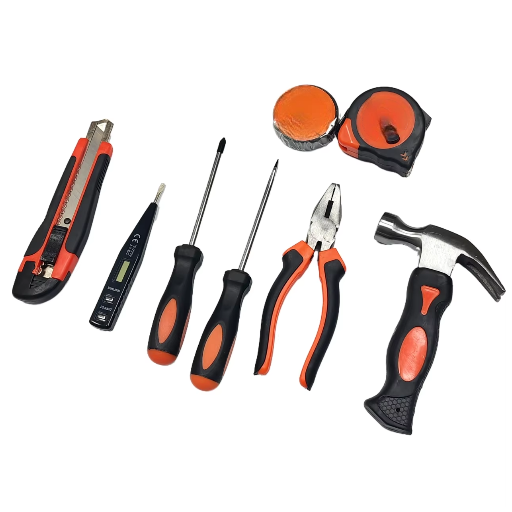
When spotting dependable hand tools wholesale vendors, put first their ability to deliver superior tools in compliance with requisite industry norms. Look for suppliers that attach ISO 9001 or IEC 60900 as a part of their offers to guarantee that their products have passed specific safety and performance requirements. Observe the methodology that the source of the goods uses and look for references. This involves researching whether other customers have had good or bad experiences with the company by examining reviews and reports.
It is also necessary to consider different circumstances in which vendors operate. In other words, it questions how quickly an item may be delivered the time taken to handle goods during that waiting time, and the support available afterwards. Furthermore, proper communication with suppliers for sending or bringing in product samples, which will be used for the quality assessment process, should form an important part of quality control that establishes a reliable partnership.
How to Find Wholesale Suppliers for Hand Tools
When it comes to finding suppliers in the field of hand tools wholesale, it is advisable to start by using the special online catalogs focusing on the sections of hardware and manufacturing. Such platforms as ThomasNet or GlobalSources, for example, have a vast collection of authentic suppliers’ particulars, which are very useful sources and more so by product lines, region, and international border controls. For more first-hand contacts with the sales outlets, i.e., the wholesalers, conferences in that area, i.e., industry exhibitions or professional tool fairs ought to be an appropriate way to compare various offers.
Use trade association databases associated with tool and hardware products, especially those that relate to the suppliers. In many cases, some of these databases have quality catalogs of companies in adherence to the industry norms. Pursue firms certified to the likes of ISO9001 and other accreditations that speak to their quantified efforts in quality management. Global markets catering to volume trade, such as Alibaba and IndiaMart, should also be helpful in identifying the bigger suppliers, but there is a dire need to emphasize and enhance critical assessment of the sources.
Screen potential suppliers across various parameters by relying on the feedback provided, history of relationships and services to customers. Emphasize openness in business aspects including sources of raw materials and laws such as ANSI or CE. Systematically, such techniques can be employed to determine those suppliers involved in the dumping of hand tools that fit on their quality thresholds as well as their supply chain requirements.
Evaluating Supplier Reliability and Reputation
What needs to be considered first when evaluating a supplier is not only how reliable and renowned it is but also many other factors that would provide a certain duration and scope of their performance and dependability. One of the first data gathered is public/private records of their past performances/missions, i.e., data tracking the effectiveness of their forecasting, ratios, latencies, and the quantity of defects. Next, one should pay attention to opinions of satisfied clients given directly or through evaluation of licensed materials.
In addition, it is necessary to search for references concerning conformance to international norms, like ISO-certification system or how international regulations are applied in practice. Besides, another important aspect is the vendor’s financial well-being, the calculation of which is possible through the use of business alliances, disclosure reports and trust scanning methods. The methodical use of such types of criteria allows for the full understanding of any vendor’s ability to meet requirements, reliability, and durability of its operations.
Effective Strategies for Buying in Bulk
1Quality Assurance
In the choice focus quality or accuracy over volume use tools which perform up to the standard and performance requirements, and which have extended life span. Find out if there are certifications and/or warranties that the manufacturers have on their products, as these two show the buyer’s commitment to buy the best.
2Supplier Reputation
Go ahead and do some background check on prospective suppliers and check the feedbacks on their websites, testimonials, competitors’ websites among other places. When companies endeavor to engage suppliers who are famous for on-time delivery, they reduce possibilities of losses linked to poor-quality products.
3Pricing and Bulk Discounts
Price comparison is necessary for obtaining the best deal. Since bulk orders are more preferred, check them out while looking also at the quality of their product.
4Inventory Availability
Check if the supplier always finishes large quantities of orders, which you place. It’s better to make sure the firm uses reliable inventory management tools to avoid the loss of goods and halt.
5Shipping and Logistics
If the company is in the business of sales, shipping service is very important and worth evaluating. Necessary and business-oriented shipping which can also be customized to the customer’s logistics without much alteration.
6After-Sale Support
When picking suppliers, think of those who also provide return policies, return, service, and warranty.
Negotiating Bulk Pricing with Suppliers
Any company needs to make the most of its financial strategy and managing the relationships with the vendors cleverly is one of the most strong approaches towards that. One of the key steps to start with is to collect information on the market price for the product in question including discount thresholds on high volume orders that competitors offer. Apply the data to create a strong foundation for the negotiation. Specify all order quantities in numerical terms and predict the fashion target, as higher quantities also lead to good prices. Put an end to unnecessary dialogues aimed at citing the agreement but instead focus on how the agreement can be beneficial for both parties involved.
Precisely explain how having a long-term business relation where significant and constant orders will flow in can help a supplier to have enough business. Besides this, one can offer to reduce costs by proposing easy ways to buy goods or services and make early payments rather than late ones. This could also serve as a motivation for the supplier to keep down the tariff charges. Moreover, consider the possibility of a value-for-money negotiation where in addition to unit price reduction, other perks such as delivery cost, payment terms or product re-design services are asked for.
Understanding Price Structures for Wholesale Items
As many may need to know and apply calculating wholesale pricing is a little bit complicated, they are determined by many things influencing prices and profit margins. Mostly, it involves the purchase cost, which is the cost of goods sold (COGS). This consists of the raw materials, a portion of the production costs, and other wages needed to make the product. After considering these three main components which are related to cost of goods sold, one can make a determination as to a markup to be put in place. The concept is further complicated by the existence of bulk discounts aimed at clients and dedicated to greatly reduce the cost per item sold.
This statement mentions that it involves features generated by the market, namely those of possible mountain bike availabilities based on demand, seasonality, as well as what rivals are charging. Also dynamic pricing models are alluring the wholesale consumers as they enable real time adjustments of prices according to supply and demand. Agreement-specific features like terms of payment, viz. payment arrangements, transportation costs to include freight and handling costs, and services for dealing with returns, all influence how the price is knitted together. And it follows also that the mechanisms within which buyers and sellers make orders and conduct procurement functions are important for the understanding of all inputs and allow for predictable responses when seeking optimality and collaboration towards price controls in relationships.
Best Practices for Bulk Ordering Power Tools
- Conduct a Comprehensive Market Analysis: Market research should always be undertaken before a large order is placed. This should assess the trends in pricing, quality standards and supplier credibility. Focus on lean principles and conduct due diligence to identify accredited manufacturers, distributors, and suppliers meeting ISO standards to appreciate qualitative and quantitative values. Supplier scorecards, clients’ feedback and product performance comparison information can help to reduce the list of possible sourcing partners or sources.
- Evaluate Total Cost of Ownership (TCO): Rather than we just looking at power tools, we are also looking at the Total Cost of Ownership. This beyond initial costs, also considers cost elements at specific points in time including costs for maintenance and repairs, and cost of energy over the useful life of the tools. Many of the tools may appear costly initially; however, the long-term energy-efficient alternatives provide sufficient savings in terms of energy. It is possible that manufacturers offer customers the maintenance and the period of use which can be expected from their goods.
- Specify Technical and Operational Requirements: Make sure you come up with a list that is as specific as possible on the features and design of the mechanical tools, citing dimensions and accessory designs/compatibility. It is also necessary to ensure that the mechanical tools meet the stipulated safety and compliance standards, and this should include looking at matters such as OSHA or CE marks. The benefit of referring such matters to suppliers is that it eliminates the prospect of receiving goods that do not conform.
- Negotiate Favorable Contract Terms: Cosmopolitan quantities make it possible to bargain and secure concessions on the price, terms and conditions of payment, warranties, and other accomodative terms. This means that the contract papers should have provisions relating to the date of arrival, fitness for purpose aspects, and the penalties that will be imposed if there is any breach of the contract.
- Plan for Inventory Management and Storage: While achieving high storage capacity for all required units and tools is usually easy, quality is not guaranteed at all times, which is quite normal. Regulations controlling indoor temperature as a tool helps to minimize damage arising from humidity or temperature changes. Inventory organization is managed by asset management software, and other information systems can use it to meet demand for items while avoiding overstock.
- Pilot Testing and Quality Assurance: Demand tools are the sales of engineering supply companies, the in-stock products will be enough for demonstration and the product delivery shipment. The use of machines is that most of them are mechanical energy converting to the inboard engine. This will include other stakeholders reporting to my group such as the finance, administration, human resources, marketing and sales departments among others.
Logistics and Delivery Considerations for Wholesale Hand Tools
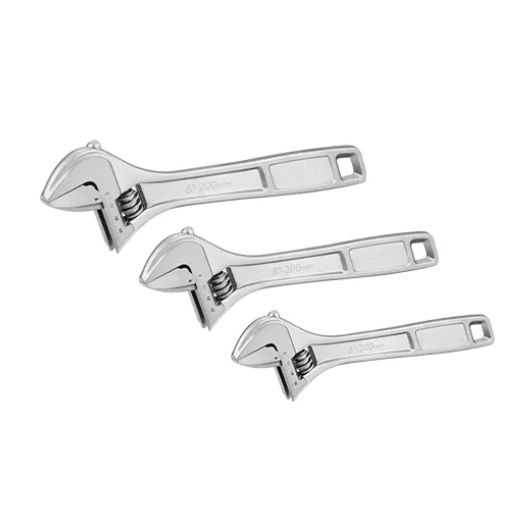
1Shipping Methods
Choose suitable transportation services (ground, air, or water) of the packages with regard to the weight, dimensions, and the destination of the tools. Choose the solutions that are affordable and will not delay the delivery of the products.
2Packaging Requirements
Transport freight is kept safe inside as careful packaging is selected. Make sure restrictions are observed for the means of carriage of goods and a straightforward mode of finding the good, as well as identification labels and appropriate symbols, are used for transportation.
3Delivery Timeframes
Engage the services of freight companies that set a definite time of delivery and adhere to it religiously. Making the aspect clear demonstrates follow-up for the continuous flow of business present in the company’s supply chain.
4Inventory Tracking
Use shipment information systems in order to track shipments real-time. This reduces unnecessary waiting, improves the extent of someone’s responsibilities, and eventually increases the level of satisfaction of buyers.
5Customs and Import Regulations
There is a lot of preparation for sending products abroad including a comprehensive understanding of tariffs, the rules and regulations, and making sure all customs requirements are fulfilled so that the delivery will not be delayed.
Managing Shipping and Delivery for Bulk Orders
To adapt to higher sales volumes effectively, adequate logistics turn to a combination of elaboration of a strategy and the use of modern logistics tools. The first logical step is to merge transports based on the commonality of shipments to decide whether doing so will save on freight costs and help deliver the goods faster. It also guarantees the transportation of goods using extra-large trucks or public conveyances without any technical faults. The next step is implementing automated tools for sales forecasting and planning stock levels for more efficient operations.
At the end of it all, knowledge of regional shipping difficulties including restrictions on the weight and size of the cargo and regulations is vital. Besides, keeping oneself in the loop on the most revolutionary trends in the freight industry, such as NR-ATA (faster shipping through air) as well as environmentalism in shipping, for example, recycling of spaceships, brings better efficiency in shipping processes while lessening the ecological effect. Implemented properly, businesses can provide on-demand and low-cost delivery services for these case-based large and long-term orders.
Ensuring Product Availability and Timely Fulfillment
To secure a product and ensure its prompt order fulfillment, companies need to use inventory management solutions built on state-of-the-art techniques. Such solutions that are designed to control stock levels, predict the demand and automate the reorder mechanism, help to close excessive inventories and stock out occurrences. In addition, today’s tools, such as prediction analytics that are able to analyse the fluctuation of sales over time and the seasonality component thereof, make it possible for the company to limit inventory in line with effective demand planning.
The company can also work on joint projects with the most trustworthy suppliers as well as establish a few warehouse facilities in different geographical locations in order to contribute to the proper supply management and operational efficiency in the context of fulfillment. Due to the fact that operational efficiency and the reduction of delivery risks are the common goals, the incorporation of suppliers often comes practical in order to a reduce transit times. Hence, through the use of these strategies, organizations are able to increase the effectiveness of their business processes, customer service and remain competitive in the highly dynamic environment marked decreased cycle time.
Handling Returns and Warranty Policies
In contemporary supply chain management and customer service, product return and warranty management should be effective. A number of organizations that provide goods with the return policy have made it very efficient by coming up with relevant and straightforward policies. The process is made even simpler by integrating the software in return management because customers can request returns, print the shipping labels, and can still track their returns in real time. The process can be improved if data analytics reveal the most frequent factors why a customer returns the product and what can be done to improve the product.
A strategically developed and effectively implemented warranty program should earn the trust of the customer, and even more so, the renewed trust of the consumer. For example, offering an extended warranty, and improving the availability of the claim procedures, are often included in such comprehensive services. Companies can use the data from warranty claims to evaluate the efficiency of provided products, prevent some of the common issues and improve quality control performance as well. These shelf life-expanding measures also help in boosting customer satisfaction and making the previously performed activities: operational quality of different items and their ends, more efficient.
Post-Purchase Support and Additional Considerations
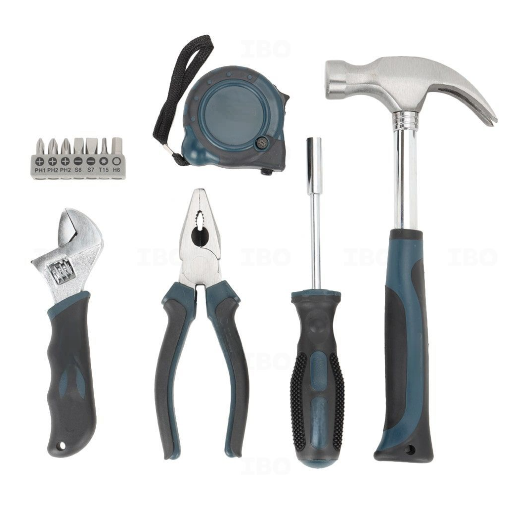
When providing retail hand tools in wholesale there is a good need for a good and effective post sale support to customers that is aimed at accessibility and timeliness. Among the necessary steps are- setting up a customer care department that will give all the necessary clarifications, provision of such tools as a user manual, and information on how to fix a broken tool, and having extra or new spare parts just in case, only to mention a few. The simplified process of returning or changing the purchased good or service immediately enhances the level of satisfaction to the customers as no time is wasted.
To foster more buyer confidence and build an enduring business partnership with them, there must be attention paid to issues of quality performance, warranties and meet other relevant standards in the business. Such information will also help in providing useful references to the buyers that will reduce repair rate. Well attested finish penultimate stage that collects critique form end users can assist enhancement in the field of including solutions in the process of product creation as well as operational issues support.
Importance of Supplier Support After Purchase
The added value provided by a supplier after a purchase has been made, in the form of tools or equipment is critical to good service and efficiency. Essential assistance, after purchase includes the supplies of spares in time, processing of certain warranty issues, and provision of the necessary information about the maintenance of the facility. Post-purchase service statistics indicate that in companies giving their customers more assistance in the course of business, the retention rates have been increasing on average, and, as a consequence, 91% of the people able to buy from well-serviced suppliers comfortably do it.
Such support decreases not only the number of hours during which the product is inoperational but also the work that can be done before the equipment wears out, enhancing overall cost-effectiveness for the purchasers. Organizations have consequently implemented operational practices that have changed the entire customer service experience. Extensive application of customer service applications such as automated trouble ticket systems and real-time chat has improved the swiftness of dealing with technical issues and thus made it easy for clients to continue working even in the presence of challenges.
Assessing Long-term Relationships with Tool Suppliers
It is hardly possible to engage with tool-related vendors without looking at such things as how reliable they are, how innovative their technology is, and whether they meet the industry standards or not. Suppliers who deliver systems and services, or whatever products are being procured, at a steady rate and quality are seriously needed for work efficiency. This fresh truth is showing that firms need supplier agility, which is more so in new and developing eras of technology, such as IoT implemented tools and predictive maintenance systems. Such developments aim at improving tool effectiveness, thus reducing delays during operations, which result in high productivity levels.
There is also evidence in market data that shows that suppliers who are straightforward in their pricing and open about their conditions most times tend to do better than others in encouraging the creation of commitment-based relations with both the firms and the suppliers. Furthermore, when the supplier provides the customers with the support rather than the company, this enables the customers to attain their skills more quickly as they can learn it without having to visit a consulting firm each time. In the case of firms at the stage of industry orientation change, more reliance will be placed on suppliers who are prone to influencing sustained growth within the company, and these are the companies whose vision is foreseeing the eventual emergence of development so that the suppliers divide the causes of action.
Reference Sources
1. Searching for Information and Making Purchase Decisions in B2B Online Stores
2. Modern Strategy and Tactics Development Algorithm of Internet Marketing on the B2B Market
Frequently Asked Questions (FAQs)
How can a wholesaler help me find the right products and product line for hand tools?
A good supplier offers a broad spectrum of manual tools and presents a specific line that caters to the specific needs of the consumers, varying from multi-devices to special auto or industrial tools. Look for suppliers who provide quality products and enquire into their minimum order quantities and payment conditions under the system of wholesale trade. Even if you selected a wholesaler on the B2B market place, it is more likely to get a discounted wholesale price and an opportunity to purchase a fewer products when doing the wholesale business. The practices of examining quality of a product, relationships with manufacturers as well as retailers will enhance the profitability of the company in the long term.
What should B2B buyers ask a distributor about tool quality and durability?
Concerning industrial or precision instruments, B2B customers are likely going to want the exact specifications, test results, and warranty policies. You may also desire information on how well the product meets the requirements and whether it can be tested. Ask about its availability, the quality, and for possible returns and gst you unsorted tools. In case there are no reasons to doubt, the estimation of restocking charges and the cost of securing new tools could be convenient for that warehouse. This way of thinking enhances the bottom line by reducing the possibility of wastage while checking that the products are the same.
How do I price wholesale items for resale to maintain profitability?
Compute the landed cost for wholesale items to be resold at retail by taking into account the purchase price, shipping, duties and storage charges, handling charges, and also include a certain profit margin with the typical bulk rates for such goods. Account for MOQ, that is, the quantity that helps in cost-savings with each higher volume procurement, and costs on the business-to-business (B2B) market when forming the cost of commercial sales. Watch the competitors in the trade and watch for changes and updates in the prices. Observe B2B order and inventory management possibilities.
Why should I choose a tool supplier that offers precision tools and cutting tools?
A tool supplier that stocks both precision tools and cutting tools, plays a crucial role when it comes to serving the general contractor or automotive industrial-orientated clients. Providers who have been able to come up with an effective service policy to transfer the sustainedly repaired equipment and services provided. In order to define how deep the goodwill between the B2B buyers of the repair services and specialized welding equipment exists, the situation may need the supplier to offer information which is not disclosed. Finally, since it may not always be possible to provide all the required calibration times, it is necessary to ensure that the perspective of all interest groups in the provision of the required services is considered in such cases.