
Sourcing from China: How to Identify Quality Hardware Manufacturers
Identifying Reliable Hardware Manufacturers in China
- 01
Verify Certifications and Compliance
Ascertain if the manufacturer has the prerequisite certifications that pertain to the sector in question like the ISO 9001, which pertains to Quality Management Systems, as these are certifications that depict the strict adherence to the international standards and the willingness to ensure these standards are met.
- 02
Assess Production Capabilities
This lies in the qualifications on the manufacturer, in the case when there are options, meaning the ability of the manufacturer to fulfill the volumes. In this respect, ask for the information on the equipment installation operating procedures, capacity matrix and evidence where the manufacturer has capability of meeting changes in volume.
- 03
Review Quality Control Processes
Reputable manufacturers enforce stringent quality control measures inorder during the production phase. Always demand proof of the existence and execution quality management, measures by requesting documented control records such as quality inspection, testing report to ascertain that their product does not have any defects.
- 04
Inspect Facilities (If Possible)
The verification of any manufacturing standards is best done during an in-house survey of the supplier. If an in-person survey is not possible, you can always resort to using the services of a third party to check the operations and facility standards.
- 05
Evaluate Communication and Responsiveness
Effectiveness in communication shows a high degree of respectability and capability. It also enables you to know more about their character from the start with regard of their aptitude to answer questions, resolve issues, and return information in almost real time.
- 06
Gather References and Reviews
Please, make sure you’re also able to talk to other customers of the manufacturer or at least check their reviews. Some of the customers are also kind to share their custom experience about the supplier—no better information of the quality of the products and services.
Researching Chinese Suppliers: Where to Start
Looking for Chinese hardware suppliers, one must first make use of a variety of online platforms and trade directories. It is important to use such tools as Alibaba, Global Sources and Made in China, as these can be referred to as B2B marketplaces that give very detailed profiles of the suppliers, the products and any other relevant information such as the certification of the product. They also allow the filtering of suppliers with their production capacities, as well as those that are certified and those that have been verified suppliers which helps one to reduce the options significantly. In addition to that, physical exhibition events such as the Canton Fair will allow one to access few manufacturing companies and subsequently explore their activities and capabilities.
Government-related databanks, as well as various business organizations, also generate numerous resources for interested users. They provide access to supplier catalogues which give prominence to adherence with both local and international norms. In addition, such sources as the Customs Import Data may reveal some past trade relations making it possible for you to inquire about available export transactions from specific suppliers. All in all, this will be very helpful in defining a detail of anve have good solid ground when it comes to defining a partner network.
Evaluating Manufacturer Credentials and Experience
In general, there are many factors to consider in assessing the qualifications of a manufacturing company that one intends to deal with especially in designation of responsibility to hardware manufacturer. It is essential to establish if and where standards are adhered by the degree or other qualifications of the manufacturer. Where such manufacturers have these certifications, such as ISO 9001 Quality Management system standard, it can be inferred that they are committed to the production of products that are uniform and of good quality. Besides this, information about the manufacturer which includes how many years the how long the company has been existent and its completed projects will show the level of their skills in the industry.
Just by studying public performance reviews and case studies, one is able to ascertain clients’ content and true capacity of a supplier. Also, digital tools and approved sites can provide important information, for example, how big the company is or how many goods they produce, and how reliable the ordering and logistics process is. This information, along with the regional reports and market direction, completes the profile of measuring capabilities of production. All these viewpoints and the aspects considered in the research are used as pre-selected criteria in the choice of suppliers, those who adhere to technological or business needs.
Utilizing Online Platforms for Manufacturer Discovery
When we talk about finding the best hardware manufacturers that exist out there in the world, there is no alternative when compared to online platforms because they offer a lot more than mere figures by providing even the most hidden and the latest data pertaining to the industry. These platforms boast smart tools and databases that easily retrieve the manufactures by their features be it specifications, geographical region, qualifications, or market trust.
Additionally, several search functionalities and online libraries are accessible and are precisely worded to search for the most appropriate manufacturers, suiting specific parameters, such as the ability for the manufacturers to cover production scalability, conform to set specifications, or work with specified materials. Such websites also make it possible to host a lot of manufacturers in one place which eases up the process of sourcing and relational interactions important in narrowing down the suitable manufacturers.
Quality & Inspection
Quality Control and Inspection Processes
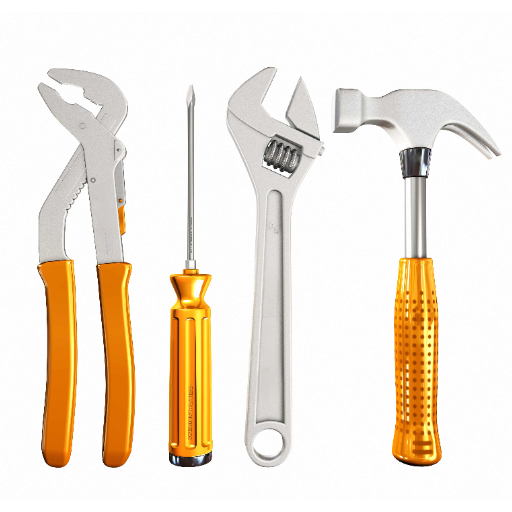
It is the hardware industry’s vested interest to avoid defects such as errors and damages in its products. This is why many hardware manufacturers insist on strict quality assurance for their products. And, such procedures start by ensuring that appropriate raw materials linking to given quality standards are used. Several stages of production involve inspection; first, a quality control procedure is implemented during the process planning stage, and then separate quality control is carried out at work places once the production is in progress. At the latter stage, quality control is conducted, yet it is out of strict control during the process. A system to detect and rectify defects early on.
To ensure that the results comply with the relevant standard and to check the performance, the latest methods of testing such as compliance testing, precision measurement, and endurance testing have been accepted. Thus besides the ISO 9001 certification that most manufacturers have, other manufacturers also hava sustainable qualities through observing “international standards.” In addition, when the institutions have their regular audit and keep a detailed record, the accountability and transparency of processes is enhanced as well as the desire of all people for non-violence to continue conducting innovative activities in order to achieve customer satisfaction increases.
The Role of Quality Control in Sourcing Hardware
Within the hardware field, purchasing quality control plays an important role of safeguarding the process of hardware acquisition. The aspect ensures that the hardware solution to be bought does both functions and is safe. Therefore, the incorporation of sophisticated instruments and tools for advanced quality control, specifically, process control and Six Sigma, is quite common for the minimization of production errors and deviations. For example, statistical process control (SPC) incorporates quality control devices that provide for the real-time tracking of key performance indicators (KPIs) so that manufacturers can easily track and rectify any problems that may affect the quality of the end product in process.
Strategic, data-driven thinking is necessary for the success of quality management systems that are relevant today. Supplies can easily ensure the quality of components through time trend studies involving process optimization and predictive analytics methods and encourages the use of machine learning algorithms that are associated with the assessment of hardware quality. These modern tools allow effective monitoring of defective product ratios, speed of the manufacturing cycle, and limits of materials use. In addition, harsh more disclosure practices in the supply chain processes, for example use of technology such as the blockchain, helps in reducing risks such as purchasing suboptimal solutions or those that are counterfeit, especially when the flow of a product is continuous.
Methods for Inspecting and Verifying Manufacturer Standards
Ensuring compliance with manufacturing standards requires several approaches and procedures. On-site auditing cannot be overlooked as the primary method here. This technique is performed by professionally skilled auditors who visit manufacturing sites to rate the extent of compliance with set standards, such as ISO or standards for a certain industry. This provides an opportunity to see proper technology, as well as on the spot organized personnel and condition of the equipment as well as aspects of maintenance of the equipment.
Moreover, one important aspect there is testing. These may be, for example, materials assessment, tensile testing and other types of tests including dynamic simulations in order to assess the performance and the working life of the equipment. Non-destructive testing methods like X-rays or ultrasonic testing shall also be used, since these methods help to carry out examinations on the item’s structure without harming its construction.
Employment of technologies for data-driven justification, such as the use of smart systems or computer programs that control the verification process, are becoming more relevant by the day. As an example, such systems are supply chain management systems together with the real-time monitoring software that is an integral part of such systems makes it possible to continuously monitor actual production environments to establish whether they meet the applicable performance and quality management system requirements.
Finally, it is the last stage of the hardware acquisition process, care should be taken to record each and every happening, process, results or any actions performed using automated means for projects the best as possible. Therefore, the completeness of the acquisition documents which include inspection checklists, reports, the applicable certification records, compliance checklists, etc., will assist to the procurement in ensuring that information is complete, accurate and rely throughout the hardware admission of no other facts.
Sampling & Verification
Sampling and Verification Techniques
- 01
Random Sampling
To achieve impartiality and quality, random stratified sampling is used. It involves subjecting part of the batch of the hardware to investigation to achieve the common adherence of results under the specified standards, minimizing errors and excessive bias.
- 02
Material Testing
Examination of functionality and durability of a material by directly looking at it or resorting to a proven method, i.e., laboratory examinations, is also a good practice which promotes the broader fears of human safety concerns and quality control at the same time.
- 03
Dimensional Analysis
Taking the design of the hardware given and measuring all levels of the hardware components, assists in the completion of production details. As the level of skill increased within this area of work, it then helped in eliminating problems such as mismatched parts as well as dreaded errors.
- 04
Functional Testing
Ensuring that hardware equipment can actually work as it is supposed, under the general variables of the environment outside the control of the user constitutes physical testing of hardware.
- 05
Inspection Certificates
Adding an extra check to the stage is a method of asking for compliance certification or a certificate of quality from the supplier, which contributes to an additional degree of validation as well.
Verification Methods to Ensure Product Quality
| Method | Description |
|---|---|
| Inspection Protocols & Standards | Stringent evaluation strategies are best for assessing the quality of any product. Companies that produce hardware components should adopt evaluation standards such as ISO 9001 or ISO/IEC 17025 in the review of their manufactured parts. These guidelines specifically govern the practices employed in ensuring all the required materials and workmanship are incorporated in the final product. Even inspection checks are done for only specific engineering materials, it is still necessary to have dimensional checks followed by the testing of various material qualities including their structures. |
| Non-Destructive Testing (NDT) | Methods of nondestructive testing like ultrasonic examination, radiography testing and tidal wave are also very adapted to quality control in production processes, as they allow the manufacturer to determine the quality of the material. They are of great help in a big extent with production of aerospace, automotive, and medical equipment because they provide certain degree of safety and service principles, and they are absolutely necessary under the conditions of reliable application by strategy of target shipbuilding and equipment maintenance. |
| Environmental Stress Screening (ESS) | Reliability screening with environmental stress testing is the implementation of tests on a product in production rules to define if it has residual problems in contrast to those that have emerged on the market. In conclusion, it has to be pointed out that quality control measures such as environmental stress screening, which is often considered as a cost and product time addition, are indeed a saving when all costs and time factors are considered. |
| Automated Optical Inspection (AOI) | AOI systems use advanced camera systems and updated software technologies that include trigger monitoring and optical character recognition systems among others to make hardware inspections in the shortest time and with the highest precision. This mode of checking is most suitable for defects involving minute mis-fits, such as surface tears, misalignment or the distribution of parts, and helps in making the assembly in a standardized format and maximizes the chance of no errors in the production line. |
| Statistical Process Control (SPC) | SPC is defined as the use of a statistical approach for controlling different process aspects, manufacturing processes. If we analyze the production data, then in the process, it becomes clear that we are able to spot variations and trends thus help in determining what is going on and correcting the situation. This can help resource utilization, minimize waste production and is accountable for ensuring that expected quality standards are attainable at all times. |
| Supply Chain Audits & Traceability | Engaging in a detailed and comprehensive quality audit and tracking system of suppliers ensures that raw materials and components comply with the required standards, never reaching the manufacturing environment. Consequently, Blockchain or Serial tracking systems, for instance, create visibility hence enabling to trace out quality flaws in the supply chain and avoiding the arrival of defectives in the final product. |
Supply Chain & Importing
Navigating the Supply Chain for Importing Goods

The process of importing goods involves certain phases that need to be strictly observed and which take into account the administration procedure. There are general steps that are taken with the help of the most common materials or adsorption, and determination of an applying solvent is initially determined for the extraction. First, one has to ensure that their product’s destination is in accordance with the destination’s administered process or system is easy and on time, if not their product could be equally harmed, not also forgetting that their product could also be in jeopardy.
It is within this logic that the service sectors are supposed to perform their activities interactively. Opening up and building relationships within new markets to sell and distribute a new commodity in form of market expansion enables different origins as to in-depth specialization of the business processes or the whole company. Moreover, marketing process is its strategic part only in order to increase sales, yield and to ensure a positive feedback.
Understanding the Import Process from China
Procuring household goods from China is never child’s play that can be done by any casual individual since it contains a whole procedure and awareness for legal compliance. There’s no way that one can skip verifying that the household goods being imported have met the technical standards and received safety certifications that are applicable to the target country to which these goods are directed. Standards like CE marking for the European Union or FCC for the U.S. indicate that a product complies with the local laws and such standards have a major role in the market penetration.
A considerable element also turns around comprehending shipment management and without fail considering measures such as shipping through the sea or the air, depending on the urgency and the amount of goods. Usually for things that are numerous, the means of looking for sea transport tends to be much affordable while air transport may be given a lot of weight on when the goods are few and essential for immediate uses. And forget not that importers need to be advised on trade policy changes, introduction of tariffs and quotas and anti-dumping practices as they have financial implications.
Importance of quality assurance cannot be underestimated for hardware procurement. All orders should be verified through the pre-shipment inspection and the suppliers taking part should have a history of delivering consistent quality product with detailed specifications. Modern ways of managing supply chain such as blockchain-based systems and automated handling of cargo can go a long way in reducing the time and cost of doing business due to hardware shipping and reducing the shipping delays, junctions of losses risks.
Further, the use of trade agreements instituted by countries can impact the costs charged in terms of import duty and simplify the procedures of cargo movement through customs. Awareness of present deals like the Regional Comprehensive Economic Partnership (RCEP), present the chance for cost benefits and promotes strategic sourcing. Implementing the above-mentioned best practices strategically and in a plan, buyers can effectively and methodically arrange sourcing activities from China for products of excellent quality.
Logistics and Shipping Considerations
The reliability of logistic and shipping system becomes extremely relevant if the hardware is purchased from companies located in China. One such important item to look at is the mode of transport used which includes comparing between sea freight and air freight. Sea freight is usually cheaper compared to air freight, especially when ordering goods in bulk, although it will take longer to transport it, usually it takes 20–40 days depending on the port destination. Air freight, on the other hand, allows quicker delivery periods let’s say 3 to 7 days, but it is also expensive on weight basis.
| Factor | Sea Freight | Air Freight |
|---|---|---|
| Transit Time | 20–40 days | 3–7 days |
| Cost | Lower (bulk-friendly) | Higher per kg |
| Best For | Large volume orders | Urgent / small orders |
| Common Incoterms | FOB, CIF | FOB, DAP |
There is always a pronounced battle when it comes to Incoterms particularly on the distribution of cost and risk when the goods are in transit. There are certain terms like FOB (Free on Board) and CIF (Cost, Insurance, and Freight) which are, most often used to affect such distributions of cost as well as risk. These terms are very important for the importers, and it is advisable that they should be included in the agreement and they take into consideration the interest and operational necessity of the imported goods.
Another important consideration regarding logistics is the process related to the customs clearance since failure in any of these areas will cause delays in documentation or even increase the costs as well as the time taken to deliver the actual goods. It is advisable that companies take a proactive position by involving the services of established freight forwarding agents or customs clearers. In addition to that, monitoring the movement of goods has been made easier through various technologies such as advanced shipment notifications (ASN) and real time GPS tracking among others.
Come additional obstacles such as weather variations and the prevailing geopolitics which are such threats like the inflow and outflow within the flow of the goods under delivery. It is quite challenging, but necessary to adjust the routing so the plan can be changed without excessive difficulty. If these unforeseen circumstances do arise, as much lead time as possible with some slack built into the system can absorb such risks. This allows for minimizing the cost of operations and ensuring high service reliability of imports.
Best Practices
Best Practices for Successful Sourcing
- 01
Thoroughly Assess Supplier Credentials
Assess the suppliers and evaluate manufacturers on the basis of available credentials, alignment with regulations, and general perception in the market. Certifications such as ISO or any other relevant certification that back up the existence of quality management processes should be checked.
- 02
Conduct Rigorous Quality Audits
Always ask for samples before signing the contract with a vendor and always check the material with a quality check. This will help to ensure that the materials, their accuracy during production and their projected durability are indeed what they are meant to be.
- 03
Prioritize Communication and Transparency
Establish open dialogue referring to shipment period, quotation and expectations of the product’s quality. Openness is a key factor in reducing the relationship-based risks in the process of procurement.
- 04
Evaluate Production Capacity and Scalability
One other critical factor is ensuring the manufacturer’s ability to meet your current and prospective production needs. As a debtor to the manufacturer, it means assessing their technical and human resources so as to try and eliminate any lead time hitches.
- 05
Seek References and Reviews
Ask for some contacts or reports of former customers to gain more insight into the reliability and efficiency of the supplier’s past performance.
Recap of Key Strategies for Identifying Quality Manufacturers
Use a structured approach to find good manufacturers in China. Start with their certification and following global and industry standards including ISO certification or RoHS that deals with quality and environmental protection. This region’s suppliers are huge, so first quantify the importance of their production abilities and match it against your needs considering possibilities for technology enhancement and production stability. Run a thorough quality check on the goods by requesting samples or even undertake such activities like performing factory audits to see their operations and initiatives during the production.
Moreover, explore systems and other infrastructural processes in the logistical department which includes the capability of practical handling in connexion with shipping, time to transport goods and compliance with custom regimes. Check out some case studies or client testimonials from the reliable sources to evaluate service provision capabilities. Finally, ascertain the latest developments and flourishing industrial centers in China showcasing the works of such a phenomenon as Guangdong or Jiangsu, and the advantages associated with location- and industry-based differentiation, may be used. For the purpose of the above presented measures, companies are now able to properly analyze situations and make decisions minimizing contingencies in regard to the search of the companies which can be hardware manufacturers in China.
Conclusion
Final Thoughts on Sourcing from China
Utilizing hardware manufacturers in China to produce goods has become an invaluable strategy for numerous firms that aim at cost savings and the best possible technology. This is due in part to the ever-changing business environment, where such factors as the exceptional prevalence of the advanced automation technologies, also referred to as smart manufacturing, have to be taken into account. As an illustration, the recent manufactory technologies in Guangdong have a lot of automated workflow with AI and this ethos is driven by an obsession with maintaining 100% accuracy while allowing flexibility on scale.
In contrast, the development of environmentally friendly technologies in China has been concentrated in Jiangsu province, and, therefore, this might be an additional opportunity to eco-minded brands. Acting on these experiences, it is possible to establish not just important, but rather strategic partners who will benefit the organization now and in the years to come, considering also the relevant criteria like certificates, the equipment of the partner company, its quality provision method, etc.
References & FAQs
Reference Sources
- [1]
“Sourcing strategy of original equipment manufacturer with quality competition”
- [2]
“Global technology sourcing in China’s integrated circuit design industry: a conceptual framework and preliminary findings”