

Blog
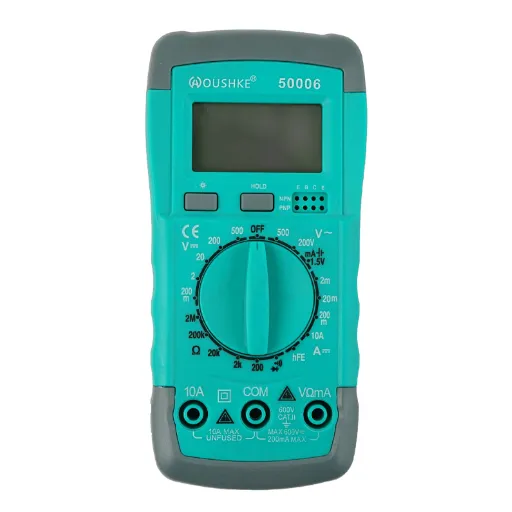
Types of Test and Measurement Tools: Complete Buyer’s Guide
The main types of test and measurement tools are electrical test equipment, mechanical and dimensional tools, environmental test equipment, and RF/wireless test equipment. Each category measures different physical or electrical properties and serves different industrial applications. Choosing the right category…
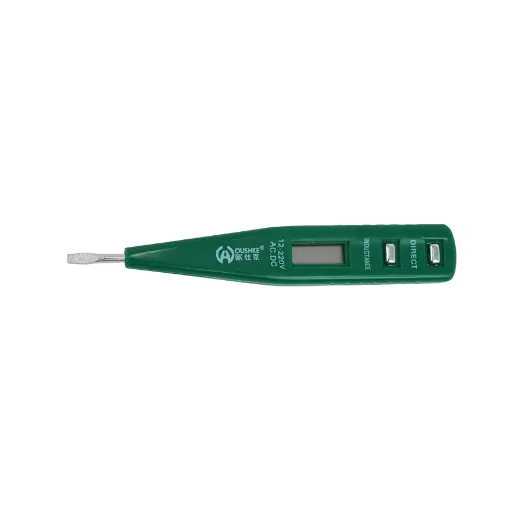
Test and Measurement Tools: A Complete Guide for Buyers and Distributors
Test and measurement tools are the devices used to verify, inspect, and quantify the performance, safety, and quality of electrical, mechanical, and electronic systems. Choosing the right instrument for your operation and sourcing it from the right manufacturer can reduce…
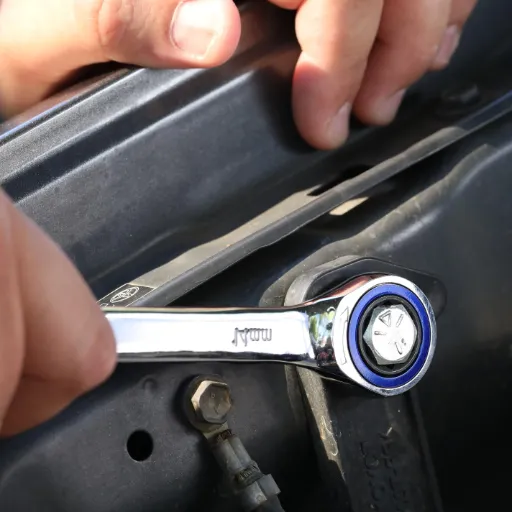
Nut Runner Safety and Ergonomics: Protecting Your Assembly Team
Nut runners are significantly safer than impact wrenches, but they are not harmless. Every day, assembly operators face four distinct hazards: hand-arm vibration, hazardous noise levels, torque reaction forces, and poor ergonomic posture. Understanding nut runner safety is essential for…
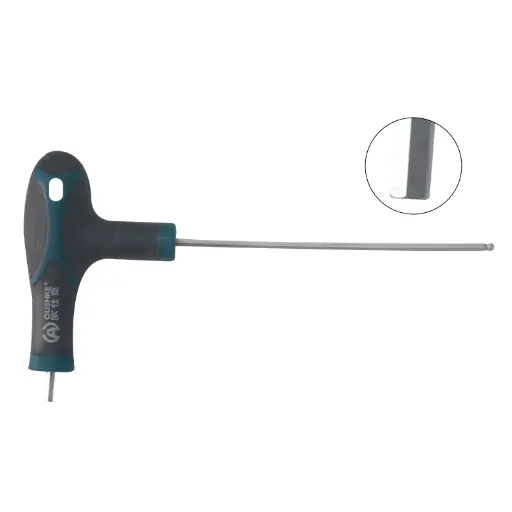
Nut Runner Maintenance: Calibration Schedules and Best Practices
A well-maintained nut runner can last ten years or more on a production line. A neglected one can drift out of tolerance in six months and start producing bad joints without anyone noticing. Nut runner maintenance is the difference between…
Nut Runner Torque Ranges and Specifications: A Complete Guide
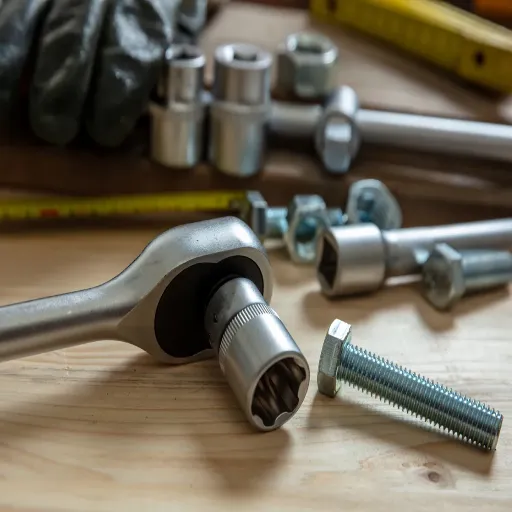
A nut runner’s torque range spans from 0.03 newton-meters on a micro electric tool for electronics to over 80,000 newton-meters on a hydraulic system for heavy construction. That is a range of more than two million to one. Knowing where…
Nut Runner Applications: A Guide to Industries, Torque Specs, and Tool Selection
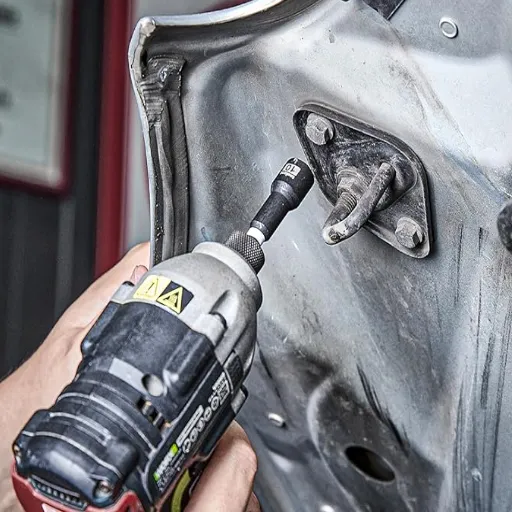
A nut runner is used wherever a threaded fastener needs to be tightened to a precise torque value. That sounds simple until you realize the range spans from a 0.1 Nm screw on a circuit board to a 5,000 Nm…
Cordless Nut Runner Buying Guide: Battery Power for Industrial Assembly
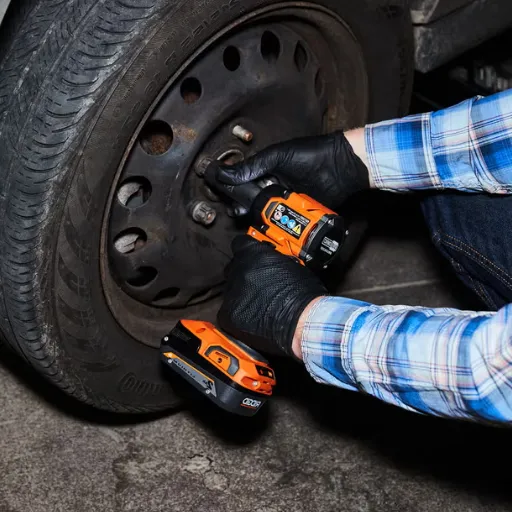
A cordless nut runner is a battery-powered torque tool that delivers the same ±1-3% accuracy as a corded electric model, but with full freedom of movement. It is the right choice when your operators work across multiple stations, serve remote…
Types of Nut Runners: Pneumatic, Electric, Cordless and Hydraulic Explained
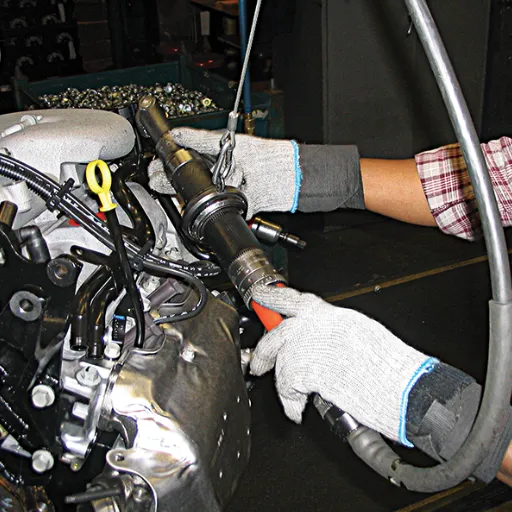
Not all nut runners are the same. The types of nut runners you choose for your operation determine torque accuracy, cycle speed, operator comfort, and total cost of ownership. A facility running high-volume automotive assembly needs a different tool than…
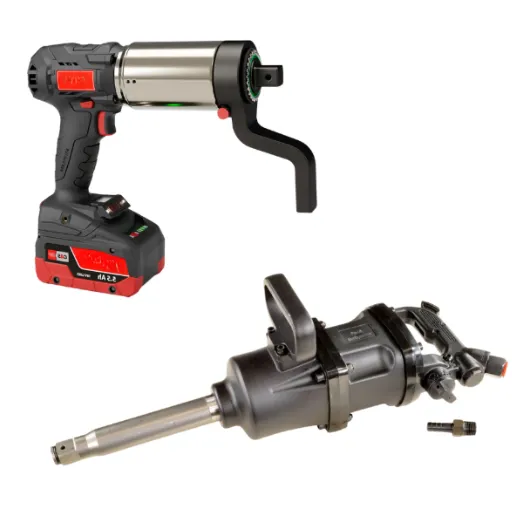
Nut Runner vs Impact Wrench: Key Differences Every Assembly Team Should Know
A nut runner delivers controlled torque with ±1-3% accuracy for precision assembly. An impact wrench uses rapid hammer blows to deliver high torque quickly, but with ±10-20% accuracy or worse. They are not alternatives. They are completely different tools for…
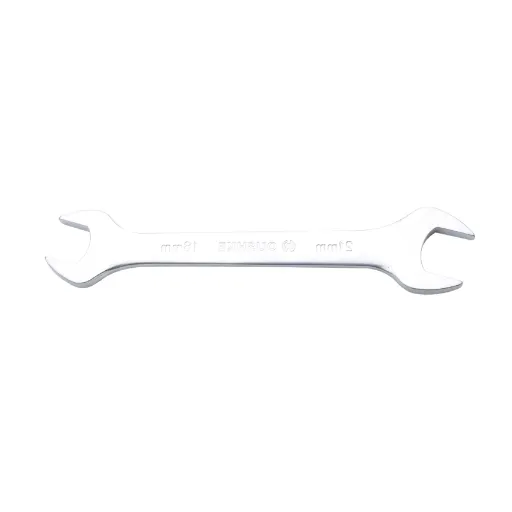
How to Choose a Nut Runner: A Step-by-Step Selection Framework for Industrial Buyers
To choose a nut runner, start with your fastener’s torque requirement, then match the power source, design configuration, data needs, ergonomics, and total cost of ownership to your application. The bolt you are fastening should dictate the tool, not the…